

10 Tips To Keep Mice out of Your Cabin During Winter
Winter brings peace and quiet to your cabin, but it also drives mice to search for warmth and shelter. These small rodents can squeeze through tiny gaps, nest in insulation, and chew through wiring before you even realize they moved in.
Once they settle inside, they multiply quickly and create costly damage that disrupts your relaxing retreat. You can protect your investment by reviewing these 10 tips to keep mice out of your cabin during winter.
Close Off Hidden Gaps Before Cold Weather Hits
Mice can squeeze through openings as small as a dime, so even minor cracks can become major access points. Walk the entire exterior of your cabin and inspect the foundation, siding seams, roof intersections, and utility penetrations. Seal these gaps with rodent-resistant materials such as metal mesh and high-quality exterior sealant.
Pay special attention to areas where wood meets concrete or where additions connect to the main structure. These transition points often shift over time, creating small gaps that rodents exploit. When you block these hidden openings before winter arrives, you stop infestations before they begin.
Reinforce Garage Doors and Larger Access Points
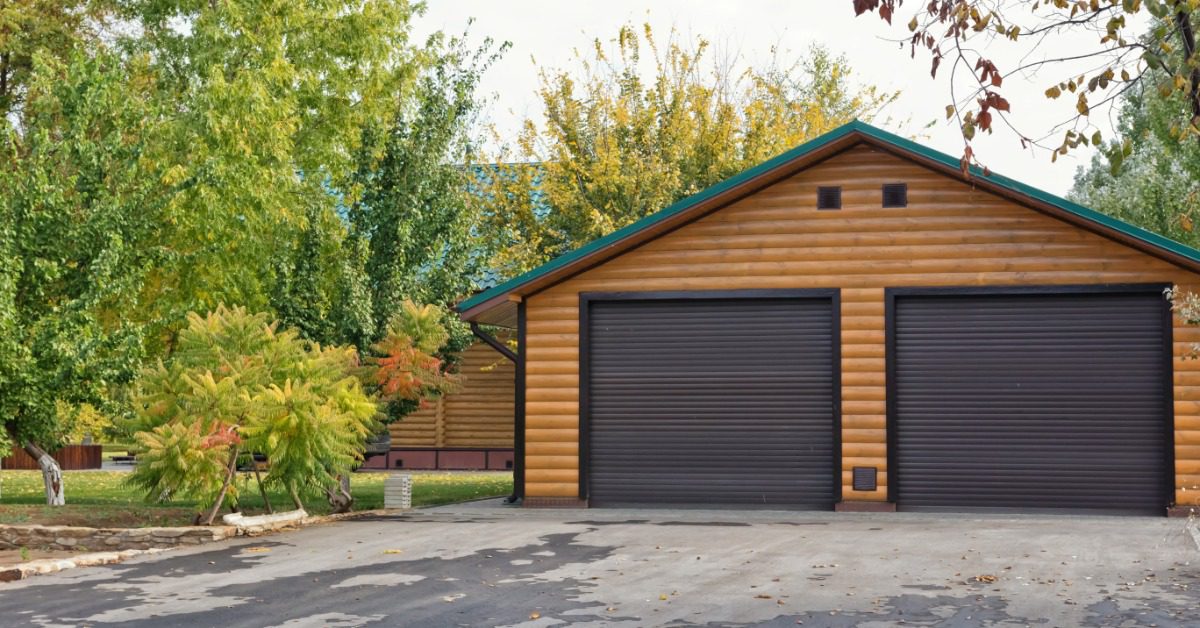
Garages, sheds, and storage rooms often provide easy entry because they contain larger moving components. Inspect the bottom corners of garage doors and check for light coming through the sides when the door closes. Mice frequently squeeze through these overlooked gaps and move directly into connected living spaces.
Install heavy-duty metal thresholds or reinforced door seals designed specifically to resist gnawing. Make sure side doors close tightly against solid framing rather than soft material. When you secure these larger access points, you remove one of the most common entry routes into a cabin.
Store Food in Airtight Containers
Cabins often sit vacant for days or weeks, which gives mice uninterrupted access to pantry items. Store all dry goods in airtight glass or metal containers instead of cardboard boxes or thin plastic bags. Mice can chew through packaging quickly and contaminate food with droppings and urine.
Remove any open bags of pet food or birdseed before you leave for the season. Clean pantry shelves and wipe up crumbs so you do not leave behind tempting scents. When mice cannot find an easy food source, they often move on to another location.
Clean the Cabin Before You Leave

Another tip to keep mice out of your cabin during winter is to thoroughly tidy it up before locking it. Vacuum floors, wipe down countertops, and sweep out corners where crumbs collect. Pay close attention to areas under appliances and inside cabinets.
Take trash with you and avoid leaving garbage in indoor bins. Even small food particles inside a trash can attract rodents from afar. When you eliminate these attractants, you make your cabin far less inviting during the winter months.
Maintain Your Roof and Attic Spaces
Mice often enter cabins from above, especially if tree branches touch the roof. Trim back limbs that create direct pathways to the shingles, and inspect the roof for loose vents or damaged flashing. Repair any compromised areas immediately to prevent access.
Inside the attic, check for gaps around vents, ductwork, and light fixtures. Look for droppings, nesting materials, or shredded insulation that signal previous activity. When you stay proactive in these upper areas, you protect both your insulation and your electrical wiring.
Control Moisture Around the Foundation
Standing water and excess moisture attract insects, which then attract mice looking for food. Clear your gutters and downspouts, so they direct water away from the foundation. Make sure the soil slopes away from your cabin to prevent pooling near the structure.
Inspect crawl spaces for moisture and address humidity issues promptly. Dry environments discourage rodents from nesting close to your home. Reducing moisture issues eliminates another reason for mice to settle nearby.
Remove Outdoor Clutter and Firewood Piles
Stacked firewood, brush piles, and stored equipment create perfect hiding spots for mice. Move your firewood at least 20 feet away from the cabin and elevate it off the ground. Keep shrubs and vegetation trimmed back from your exterior walls.
You should also store seasonal decorations and outdoor furniture in sealed containers instead of leaving them exposed. Clear away leaf piles and debris that collect near the foundation. When you remove these sheltering spots, you shrink the rodent population around your property.
Protect Electrical and Plumbing Penetrations
Utility lines create necessary openings that can become overlooked vulnerabilities. Inspect areas where pipes, gas lines, and electrical conduits enter your cabin. Even small gaps around these penetrations can provide direct access into your walls.
Seal these openings with metal escutcheon plates or rodent-proof collars rather than relying solely on foam. Check these areas annually because expansion and contraction can create new gaps. When you secure these utility entry points, you eliminate concealed pathways into your structure.
Monitor for Early Signs of Rodent Activity
Regular inspections help you catch small problems before they grow into major infestations. Look for droppings inside cabinets and near stored items. Listen for scratching sounds in walls or ceilings, especially at night.
If you notice gnaw marks or nesting materials, act immediately. Delaying action allows mice to reproduce and expand their territory. Early intervention saves you from expensive repairs and extensive cleanup later.
Hire a Rodent Control Expert
Sometimes, even diligent maintenance cannot stop determined rodents. When you suspect activity or want peace of mind before winter, contact a professional rodent control company that specializes in exclusion and long-term solutions. Experienced technicians may be able to identify hidden entry points that you may have missed.
Professional rodent control experts use high-quality materials and proven exclusion techniques to prevent animals from re-entering your cabin. They can also inspect attics, crawl spaces, rooflines, and foundations to locate vulnerabilities that most homeowners overlook. When you rely on trained specialists, you can address the root cause of the problem instead of just treating the symptoms.
Legacy Rodent Control Can Help Protect Your Cabin
Mice cause structural damage, contaminate surfaces, and create unhealthy conditions if you ignore the warning signs. But you can protect your property by taking proactive steps to address vulnerabilities before cold weather sets in.
If you need reliable rodent control services in Fort Worth to safeguard your property, contact Legacy Rodent Control today. We can help keep your cabin secure all season long.
