
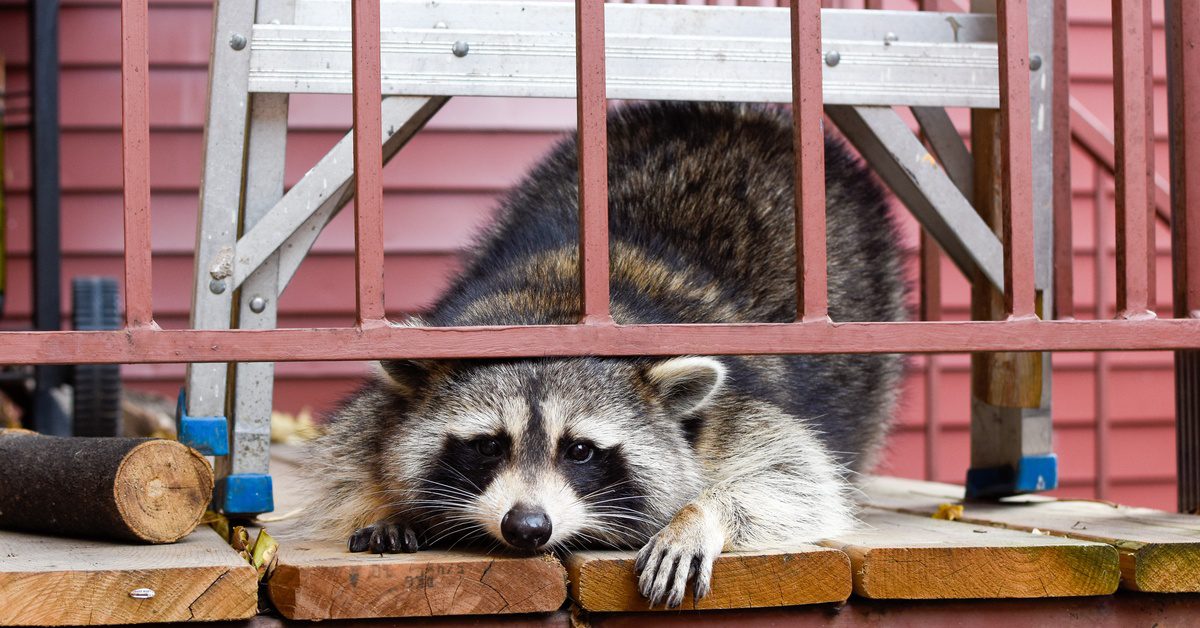
What Makes Certain Areas More Prone to Raccoon Infestations?
Raccoons are fascinating creatures with curious behavior and the ability to be adaptive. However, this willingness to explore urban and suburban spaces can lead to challenges for homeowners. Some homes may attract these nocturnal visitors more than others due to specific features in their environments. By understanding these factors, residents can better protect their properties.
Read on to learn what makes certain areas more prone to raccoon infestations than others so you can better understand why these furry intruders show up in places where they aren’t welcome.
Gardens
If your home has a garden, a raccoon may see it as a haven due to its abundance of food and shelter. These areas often contain vegetables, fruits, and other plants that raccoons find irresistible. Tomatoes and corn are favorites that can serve as easily accessible meals.
The soft soil in garden beds provides raccoons with an ideal spot for digging to search for insects. Gardens also offer raccoons places to hide between tall crops or shrubs where they can feel a sense of safety. If you don’t set up barriers to limit their access, raccoons may turn your garden into a buffet.
Pet Dishes
If you leave your pet’s dishes outdoors, you will typically attract raccoons seeking quick snacks. Pet food contains nutrients that appeal to opportunistic raccoons. Unattended bowls with leftover food can turn into targets.
Additionally, the water bowls you leave out for your pets are reliable hydration sources for raccoons, especially during hot or dry periods. Even the smallest amounts of food or water left out consistently can establish a nightly visitation pattern, which increases the likelihood of prolonged raccoon activity.
Easily Accessible Trash Cans

The next item that makes certain areas more prone to raccoon invasions shouldn’t come as any surprise: it’s your humble trash can. When you fail to properly secure your trash cans, the smell of discarded leftovers can attract raccoons. The garbage can is like a beacon as these furry creatures search for their next meal. Weak or unsecured lids allow raccoons to rummage freely for scraps.
If you place plastic bags near the bins for your trash service to pick up, you can exacerbate the problem, as raccoons can easily tear through the bags and will often do so without hesitation. Once they realize a location consistently provides access to food, the raccoons will return, turning your trash cans into hot spots for nightly visits.
Lawn Fountains
A fountain can add elegance to your lawn, but it can also provide a water resource for raccoons. The design of a fountain allows these animals to easily drink or cool off on warm nights. Fountains often remain active year-round, continuously drawing wildlife to their flowing waters. If you don’t provide your fountain with the proper maintenance or implement barriers, these attractive features will cater directly to raccoons’ needs, creating an inviting scenario for frequent visits.
Stacks of Wood
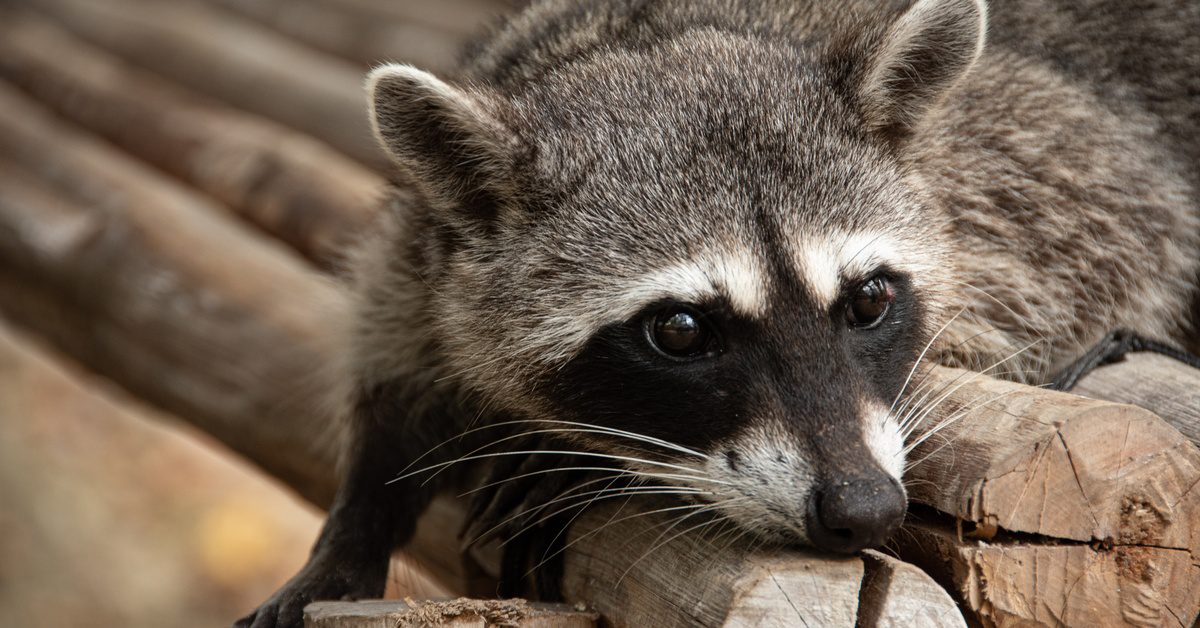
If you have stacks of wood on your lawn, you may inadvertently provide raccoons with hiding spots they can use for resting or nesting. The logs allow the animals to feel secure and shielded from predators or humans.
In addition, if you place a stack of wood too close to your home, a raccoon may use it as a means to get inside. Regularly examine your wood piles for racoon activity, even the ones you store further from your home. Otherwise, you may have unwanted guests.
Compost Bins
Compost bins attract raccoons due to their enticing mix of decomposing organic matter and food scraps. Even small amounts of vegetable peels, fruit cores, or breadcrumbs thrown into the bin create a feast for raccoons. Without proper coverage, the scent escapes, signaling to nearby raccoons that there’s an available supply. Loose or flexible lids easily allow these animals access to the bin’s contents.
Bird Feeders
Seeds and nuts falling to the ground from a bird feeder heighten interest for hungry raccoons. The creatures will quickly adapt to emptying feeders intended for birds, especially if said feeder hangs low or lacks a protective design.
Fruit- and Nut-Producing Trees
When trees produce fruit or nuts, they also appeal to raccoons. A fallen harvest creates a meal that requires minimal effort for a raccoon to collect, particularly under unmanaged trees. Apples, pears, walnuts, and acorns scattered across a yard often encourage raccoons to linger. Even ornamental trees bearing small fruits contribute to the issue. By promptly clearing up dropped produce and nuts, you can reduce the allure of these trees for raccoons.
Woodsheds
If your home has a woodshed, this structure can also provide a place for raccoons. The relative privacy allows raccoons to avoid disturbances from humans and larger predators. Sheds with exposed cracks or loose planks improve entry opportunities for raccoons, making these structures more problematic.
Chicken Coops
Much like woodsheds, if you have a chicken coop, it can also attract raccoons due to the easy availability of food and shelter. The scent of chicken feed, eggs, and even the chickens themselves can draw raccoons to these structures. Once they find a way inside, raccoons can cause significant damage by stealing food, harming poultry, and leaving a mess.
If you have an unsecured coop, then it’s only a matter of time before opportunistic raccoons get inside. To prevent a raccoon intrusion, fortify chicken coops by securing all openings. Use scented repellents to deter and discourage raccoons from returning.
Openings in Walls
Structural gaps in walls can grant raccoons easy access to your home. Spaces such as attic vents, crawl spaces, or loose siding provide raccoons with opportunities to move indoors, usually in search of warmth or safety. Once inside, raccoons may build nests or store food, causing damage over time. Holes created by wear or weather further create points of entry that appeal to raccoons. Securing these entryways proves critical in preventing raccoons from viewing a property as a future nesting site.
Legacy Rodent Control Can Help Rid Your Home of Raccoons
After learning the factors that can cause raccoon infestations on your property, you should be ready to take action and better safeguard your spaces. Lower the risk of invasions by relying on the services of Legacy Rodent Control. We offer raccoon removal services in Frisco to help you eliminate these nuisances on your property. Contact us today to discuss your options for raccoon removal.
