
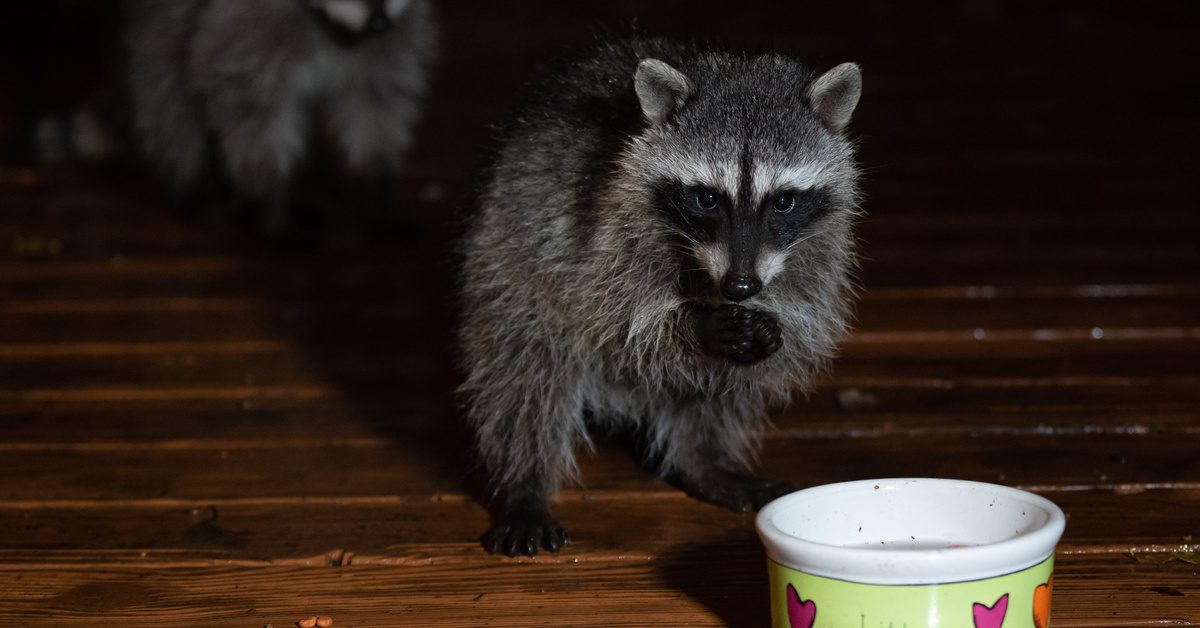
Signs of a Raccoon Family Living Under Your Deck or Shed
When raccoons seek shelter in residential areas, they may go under decks and sheds where they can establish safe nesting sites. These nocturnal mammals appreciate the security these spaces provide.
However, homeowners should identify the presence of raccoons to prevent property damage and potential health risks. Read on to learn about the warning signs of a raccoon family living under your deck or shed so you can take prompt action before the problem worsens.
Digging Areas
One of the most obvious indicators of raccoon activity is the presence of small holes and disturbed soil around your deck or shed perimeter. Raccoons will use their dexterous front paws to gain entry and dig for grubs, insects, and other food sources. Fresh dirt piles and disturbed landscaping fabric are additional signs that raccoons are in the area.
Disturbed Trash

People commonly know raccoons for their habit of foraging for food in garbage cans. Raccoons may have established a nearby den site if you find your cans knocked over and trash on your lawn. These clever animals can manipulate latches, remove bungee cords, and even lift heavy lids to access potential food sources.
You may even find shredded bags on your property. This persistent disturbance usually indicates that raccoons are living close enough to make nightly visits.
Unusual Sounds
You may also have a raccoon family living under your deck or shed if you hear odd noises, particularly after the sun goes down. Adult raccoons communicate through chittering, growling, and purring sounds, while baby raccoons, called kits, make high-pitched crying or whimpering noises.
You may also hear scratching, scampering, or thumping sounds coming from beneath your deck or shed as raccoons move in and out of their den site. These noises typically occur during dawn and dusk hours when raccoons are beginning or ending their nightly activities.
Home Damage
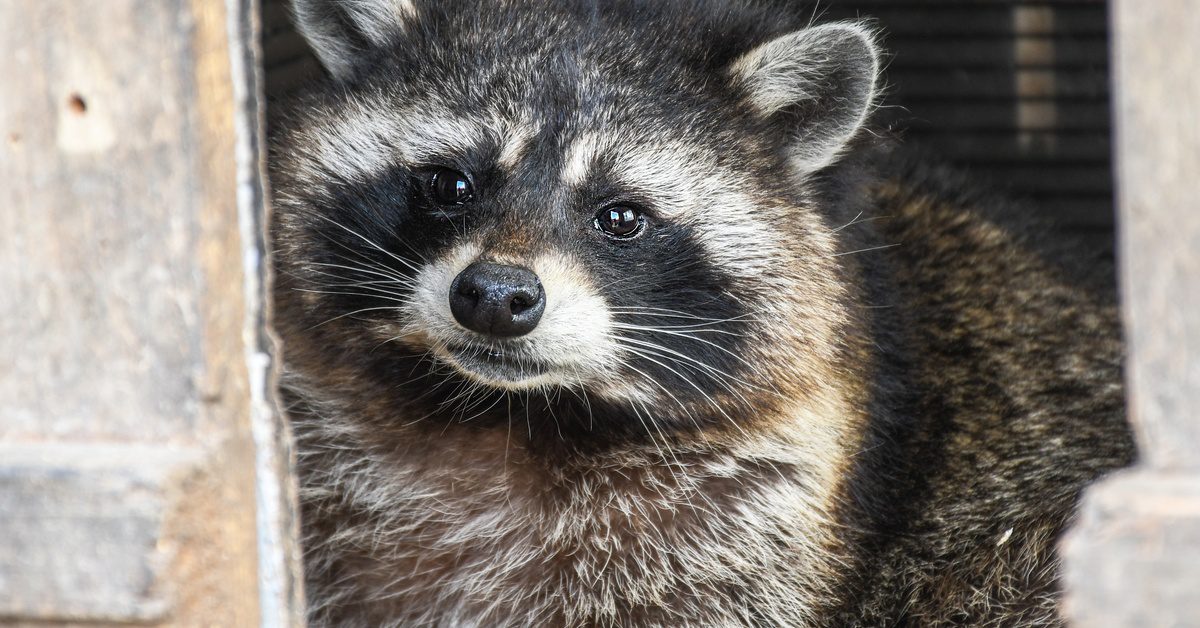
Raccoons can cause considerable structural damage, such as scratching ductwork, while creating and maintaining their den sites under residential structures. The damage can worsen over time if you fail to address it.
Raccoon Prints
Raccoon tracks are distinctive and easily identifiable once you know what to look for in soft soil or mud around your property. You may find that they resemble your own hand, with five fingers on each paw. The prints typically measure between two and three inches in length, with the front prints being slightly smaller than the rear ones.
Fresh raccoon tracks may appear near entry points, along travel routes, and around food sources such as garbage cans or pet food. Multiple sets of tracks in various sizes can indicate a family group, with smaller prints belonging to juvenile raccoons following their mother’s established pathways.
Animal Feces
The appearance of raccoon droppings can also provide clear evidence of their presence. Raccoon feces are typically dark brown or black and cylindrical in shape. The droppings often contain visible food remnants such as seeds, berries, or insect parts, reflecting their omnivorous diet.
Raccoons often establish communal toilet areas, called latrines, where multiple animals deposit waste in the same location over extended periods. Note that raccoon feces can contain dangerous parasites, and you should never handle them without protective equipment and professional guidance.
Raccoon Appearances
If you get visual confirmation of raccoons entering or exiting spaces under your deck or shed, that proves their residency. Adult raccoons are typically active during twilight hours, making them most visible during early evening or dawn periods. You may observe them returning to their den site after nightly foraging expeditions or emerging at dusk to begin their activities.
Tips for Evicting Raccoons
If you have spotted any of these indicators that raccoons are living under your deck or shed, you’ll need to evict them from your property.
Play a Radio
One strategy is to play continuous noise from a battery-powered radio. These audio disruptions can discourage raccoons from remaining in their chosen den site. Place the radio as close to the entrance as possible and tune it to a talk station rather than music; human voices are more threatening to wildlife.
Light Up Their Home
Raccoons prefer dark, secluded areas for denning, so introducing bright lighting can make their current location less appealing. Turn on a bright light near known entry points. Battery-powered LEDs work well for areas without electrical access, and you can position them directly at den entrances to maximize effectiveness.
Put Down Ammonia-Soaked Rags
The strong scent of ammonia mimics predator urine and can convince raccoons to abandon their den site in search of safer accommodations. Soak old rags or towels in household ammonia, and place them near entry points.
This method can have varying degrees of success, so you may have to accompany it with the radio or your bright light. If you are unable to access ammonia, try using apple cider vinegar, since raccoons have an aversion to this scent as well.
Hire a Professional
The most effective step you can take in this process is to hire a professional who specializes in raccoon removal. They will have the expertise, equipment, and legal permits necessary to safely remove raccoon families from your property.
Licensed professionals can assess the situation, determine the best removal strategy, and perform exclusion work to prevent future infestations. Hiring professional services is critical when dealing with aggressive animals, large family groups, or situations where babies may be present and require special handling to ensure their survival.
How Legacy Rodent Control Can Help
Identifying raccoon families living under your deck or shed early allows for prompt intervention before significant damage occurs. Watch for these signs, and use these tips to keep your property and family safe.
If you need the help of a professional for removing raccoons from underneath your deck or shed, contact Legacy Rodent Control today. Our raccoon removal professionals in Fort Worth have experience in helping our clients remove pests from their property while treating wildlife with respect. Call us today so you can ensure the best outcome for your home and the wildlife in this challenging situation.
