

How To Teach Your Kids To Be Safe Around Household Pests
When your kids are young, they’re naturally curious about the world around them and often lack understanding of potential dangers. This can be especially true when it comes to pests that they may encounter around your home, such as rodents or squirrels.
Teaching your kids how to be safe around household pets will protect them from injury and other long-term risks. You can learn how to do so in this guide and create a safer home environment for everyone. Keep reading for all the information you need.
Warn Them About the Dangers of Some Pests
Creating awareness about the dangers of pests requires parents to use age-appropriate language that doesn’t create unnecessary fear but still conveys the seriousness of the situation. Explain that some pests can become aggressive when they feel threatened, cornered, or are protecting their babies.
In addition, you should also mention that some pests, such as raccoons and skunks, may behave unpredictably when they experience an illness. Help your children understand that what might seem like friendly or playful behavior from a pest could be a sign of distress or aggression.
Most importantly, let your children know that many pests carry diseases that can hurt them. For example, rats can contaminate areas with harmful bacteria through their droppings and urine. Teaching this broader understanding of pest risks helps children maintain appropriate caution, even when animals seem calm.
Explain Which Pests Are Dangerous
Another critical step in teaching your kids to be safe around household pests is explaining which ones are dangerous. Providing specific information about hazardous household pests helps children recognize threats and respond appropriately when they encounter these creatures.
For example, while some insects will do your child no harm, others, like bees, can be particularly hazardous to those who are allergic to their stings. Additionally, while bees generally only sting when they perceive threats, children’s sudden movements or loud noises can trigger defensive behavior, leading to multiple stings that can be life-threatening, even for non-allergic individuals.
It’s also important to explain which animals can be potentially harmful. Although your children may view rodents like rats and mice as cute and cuddly like their pets, it’s essential to discuss how these animals can inflict painful bites with their sharp teeth.
You should also explain how larger pests like raccoons, opossums, and skunks pose greater risks due to their size, strength, and potential to carry rabies. Squirrels, despite their seemingly cute appearance, can also be physically threatening, especially when they feel cornered or are protecting their territory. All these pests can also cause property damage and create unsanitary conditions.
Teach Them Which Habits Encourage Pests

Children also need to understand how their daily actions can attract pests. This knowledge can empower them to become part of the solution rather than unknowingly contributing to pest problems. For example, your little ones’ food-related habits can attract pests, so teaching your kids to clean up spills immediately, store snacks in sealed containers, and avoid leaving food out overnight is crucial for prevention. Explain how even small crumbs can attract rodents and other pests, making thorough cleanup after meals and snacks essential.
Your kids’ outdoor habits can also lead to pests, from leaving pet food outside to failing to secure garbage cans or creating water sources through leaky hoses or standing water in containers. Children should understand that pests require food and water to survive, and eliminating these attractants makes your property less appealing to unwanted visitors.
Urge Your Kids Not To Touch Them
Establishing a strict no-touch policy regarding all household pests is also fundamental to keeping your children safe from bites, scratches, and disease transmission. Your children may naturally want to pet or handle small animals, but this instinct can be extremely dangerous when it comes to pests that may carry diseases or react aggressively to human contact.
Emphasize to your kids that they should never touch pests that appear sick, injured, or even friendly, as these conditions often make animals more unpredictable and dangerous. Instead, your little ones should leave pest control to the adults or professional pest control services, as they have the proper equipment and knowledge to safely handle these situations.
You can reinforce this no-touch rule by teaching children to immediately inform an adult when they encounter any household pest, regardless of how harmless the situation might seem. This approach ensures that trained adults can assess the situation and take appropriate action while keeping children at a safe distance.
Set a Good Example as a Parent
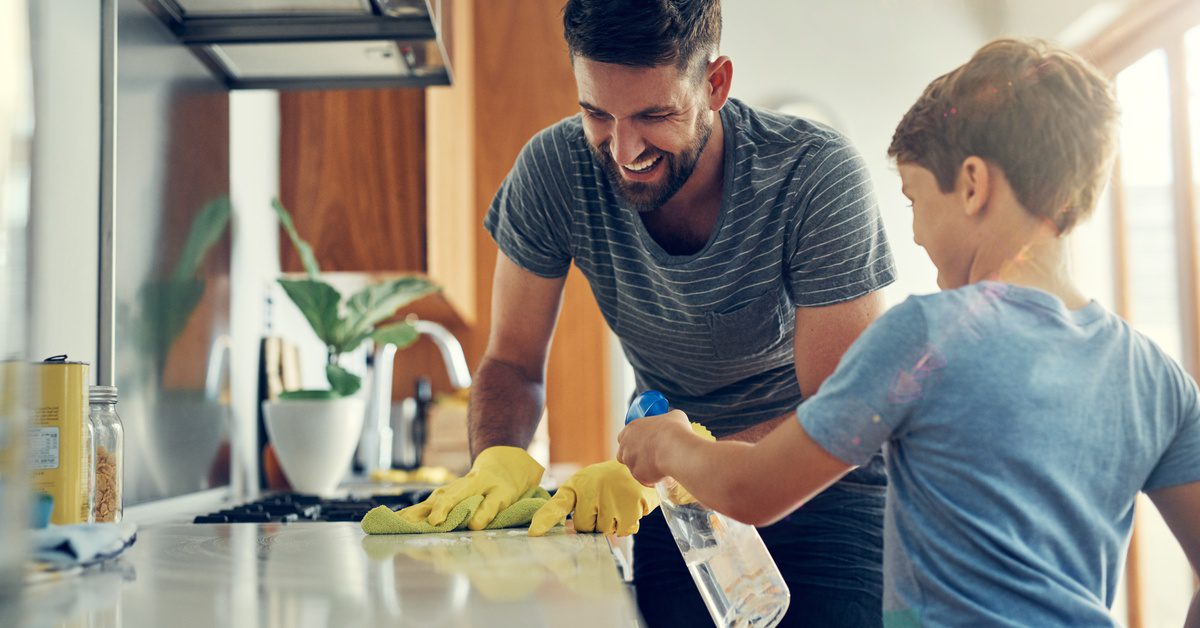
You can demonstrate the seriousness of these safety protocols while showing your children exactly how to respond in various situations. Maintaining a calm and careful response to pest encounters teaches children that these situations require caution and respect. They will also learn that they don’t need to panic or react with excessive fear.
Demonstrate proper safety procedures, such as maintaining your distance, avoiding sudden movements, and contacting professional pest control services when necessary. In addition, show your children how you implement prevention strategies in your daily routine, from properly storing food to maintaining clean living spaces and securing potential entry points.
When you consistently follow these practices yourself, your children will learn that pest prevention is an ongoing responsibility that requires attention and commitment from everyone in the household. Your approach to pest control decisions can also enhance your children’s understanding of appropriate responses to pest problems. By opting for professional pest control services over DIY solutions for dangerous pests, you demonstrate the importance of recognizing when situations require expert knowledge and specialized equipment.
Legacy Rodent Control Offers the Services You Need
Teaching your children about household pest safety creates a foundation of knowledge that protects them throughout their lives while contributing to a healthier home environment for your entire family. If you need professionals to protect your family and home from pests, choose Legacy Rodent Control. Our rat control services in Frisco will help you maintain a sanitary, safe environment where you can raise your children.
