
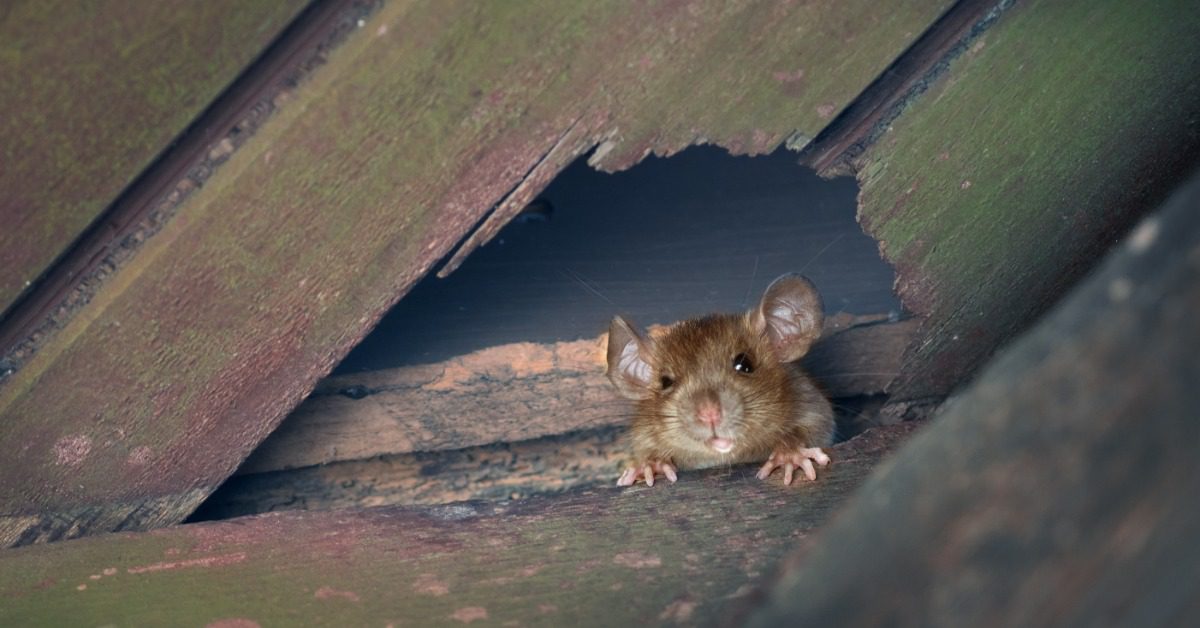
How Rodent Infestations Affect Your Home’s Energy Efficiency
When homeowners focus on cutting utility costs, they consider upgrading their windows or adding solar panels. Rising bills often require a closer look at efficiency and cost-cutting measures. However, there may be another reason in your home for rising energy costs: rodents.
Although we often worry about the structural damage pests cause, we rarely consider the significant impact they can have on our monthly heating and cooling bills. This blog will explain how rodent infestations affect your home’s energy efficiency.
The Destruction of Attic Insulation
Your attic insulation serves as the primary barrier against heat transfer in your home, keeping warm air inside during winter and outside during summer. Rodents view this fluffy material not as a thermal barrier, but as the perfect nesting ground for their growing families.
They will tunnel through fiberglass and cellulose, compressing the material and destroying the air pockets that provide the insulating value. Once they trample and soil the insulation, its R-value drops significantly, forcing your HVAC system to work much harder to maintain a comfortable temperature. This can result in homeowners unknowingly paying for heating that escapes directly through a compromised attic layer.
Air Leakage Through Entry Points
Another way rodent infestations affect your home’s energy efficiency is by creating entry points that lead to air leakage. Although mice and rats possess an incredible ability to squeeze through tiny gaps, they often need to widen these openings to fit their bodies comfortably. They will gnaw on wood, drywall, and siding to create convenient doorways into your home, which unfortunately double as exit points for your conditioned air.
Each new hole they chew acts like a small open window that operates 24 hours a day, letting drafts in and energy out. Over time, a severe infestation can turn a tightly sealed home into a sieve that leaks expensive climate-controlled air. Sealing these entry points is crucial for pest exclusion and for restoring the airtight integrity of your building envelope.
Damage to HVAC Ductwork
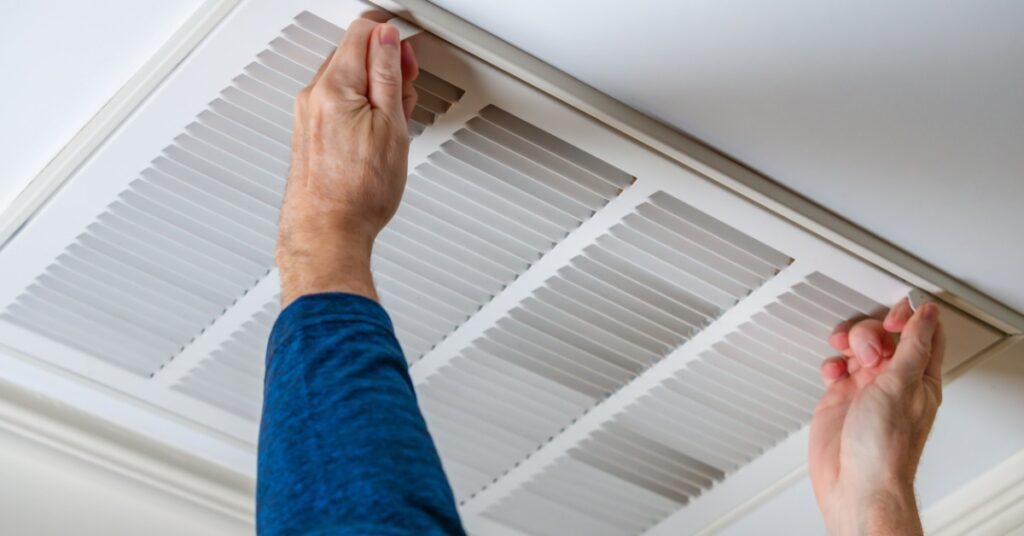
Your home’s ductwork distributes heated or cooled air throughout your house, and it often runs through dark, secluded areas where rodents love to hide. Rats and squirrels frequently chew through flexible ducts or disconnect joints in their search for warmth or nesting materials.
When they breach these ducts, your furnace or air conditioner pumps expensive air directly into your attic or crawlspace rather than into your living room. This forces your system to run longer cycles to reach the thermostat’s set point, dramatically increasing energy consumption. Inspecting ducts for claw marks or holes is a vital step in diagnosing sudden spikes in utility costs.
Compromised Vapor Barriers
Crawlspaces often feature a vapor barrier designed to control moisture and assist with temperature regulation beneath your floors. Rodents tear and shred these plastic sheets to gather soft bedding material or simply to clear a path for their daily travels.
A damaged vapor barrier allows ground moisture to rise into your home, increasing the humidity your air conditioner must remove. This added humidity makes the air feel warmer in summer and colder in winter, leading you to adjust the thermostat and use more energy. Protecting this barrier is essential for maintaining both structural health and energy efficiency.
Interference With Smart Home Wiring
Modern energy efficiency often relies on smart thermostats and automated systems that communicate via intricate wiring networks. Rodents have a biological need to gnaw on hard surfaces to keep their teeth filed down, and electrical wiring provides the perfect resistance.
When they chew through the wires connected to your climate control systems, they can cause short circuits or complete system failures. This damage can cause your HVAC unit to operate erratically, run continuously without shutting off, or fail to respond to energy-saving settings. Repairing chewed wires is dangerous and costly, highlighting the importance of early rodent detection.
The Nesting Effect Around Ventilation
Proper ventilation is key to an energy-efficient home, as it allows your attic and roof to breathe and release excess heat. Rodents often build dense nests right in front of or inside soffit vents, ridge vents, and exhaust fans.
These blockages trap heat in your attic during the summer, causing the temperature above your ceiling to skyrocket. Your air conditioner must fight against this radiant heat pushing down into your living space, consuming far more electricity than necessary. Clearing these blockages restores airflow and helps your passive cooling systems function as designed.
Impact on Water Heater Efficiency
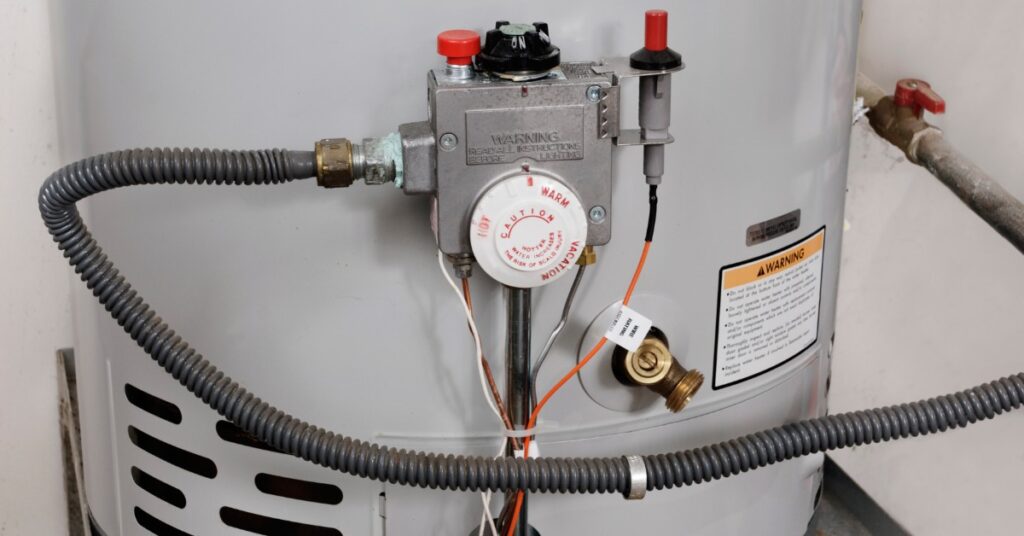
Rodents seek warmth, and water heaters in garages or basements provide a cozy, continuous source of heat. They often nest around the base of the tank or squeeze into the insulation jacket surrounding the unit. In addition to damaging the insulation layer that keeps the water hot, rodents can chew through the electrical wiring connected to your water heater.
This kind of damage can cause malfunctions or make the heating element work inefficiently, forcing the unit to use more energy. As a result, your water heater must cycle on more frequently to maintain the proper temperature, wasting gas or electricity throughout the day. Protecting your appliances from pest intrusion saves money on every hot shower you take.
Wood and Drywall Destruction
In addition to damaging your home’s insulation, rodent waste can also threaten your energy efficiency by damaging wood and drywall. When urine and droppings soak into these materials, they can deteriorate, rot, or even develop mold.
Damaged building components quickly lose their insulative properties, allowing valuable heat or cooling to escape and forcing your HVAC system to work overtime. Addressing rodent waste promptly preserves the integrity of your home’s envelope, keeps energy use in check, and protects your family’s health.
Legacy Rodent Control Can Help Restore Your Energy Efficiency
As the rodents continue to breed and expand their territory, the damage to insulation, ducts, and wiring compounds. The longer you wait to address the root of the problem, the more you spend on wasted energy that simply vanishes through holes and uninsulated spaces. This makes it critical to take action against pests and secure the long-term energy performance of your property.
At Legacy Rodent Control, we understand that discovering a rodent issue in your home can feel overwhelming and stressful. However, our services for rat control in Fort Worth can help you restore your home’s thermal efficiency. Contact us today so we can help you evict these unwanted guests who are driving up your bills.
