
How To Handle a Rodent Infestation in Your Rental Property
As a landlord, maintaining your rental property involves more than just addressing tenant concerns or routine upkeep. You also need to tackle unexpected problems, such as a rodent infestation. Rodents pose significant health risks to tenants and can cause substantial damage to properties.
If not managed properly, infestations can lead to tenant dissatisfaction, potential legal issues, and costly repair bills. This post will explain how to handle a rodent infestation in your rental property before the problem becomes serious.
Recognize the Signs of a Rodent Infestation
The first step to resolving a rodent infestation is identifying the problem. Even a small number of rodents can reproduce rapidly, so early detection is key. Here are some common signs that your rental property may be hosting unwanted guests:
- Droppings and urine spots: Look for small, dark droppings or urine streaks near food sources, along walls, or in hidden corners.
- Gnaw marks and chewed Items: Rodents often chew through wires, furniture, or walls. Fresh gnaw marks tend to be light in color, while older ones are darker.
- Unpleasant odors: A musky scent or urine odor is a telltale sign of rodent activity, especially in enclosed areas like basements or attics.
- Scratching noises: Tenants may report hearing scratching or scurrying sounds, especially at night, coming from walls, ceilings, or floors.
- Nests and evidence of nesting: Rodents build nests using shredded materials like paper, fabric, or insulation, often in quiet corners or behind walls.
If your tenants inform you of any of the above signs or if you notice these issues yourself during property inspections, act quickly before the problem worsens.
Assess the Scope of the Infestation
After recognizing the signs, assess how extensive the infestation is. Inspect the property thoroughly, including basements, attics, crawl spaces, and kitchens, as these areas are typically the most vulnerable to rodent infestations.
Check for entry points such as cracks, gaps in the foundation, or spaces around doors and windows. Determining the scope and severity of the infestation will help you decide whether to handle it yourself or hire professional pest control services.
Prioritize Open Communication With Your Tenants
During a rodent infestation, maintain transparent communication with your tenants. Inform them of the steps you’re taking to resolve the issue and ensure they understand the importance of cooperation. Encourage tenants to report sightings or signs of rodents promptly. Cooperation between you and your tenants will lead to more effective results.
Take Immediate Steps To Address the Infestation
When handling a rodent infestation, take quick action to prevent further damage or health risks. Here are effective steps to tackle the problem:
- Seal entry points: Use caulk, steel wool, or hardware cloth to block all possible entry points, including holes around pipes, gaps under doors, and cracks in walls.
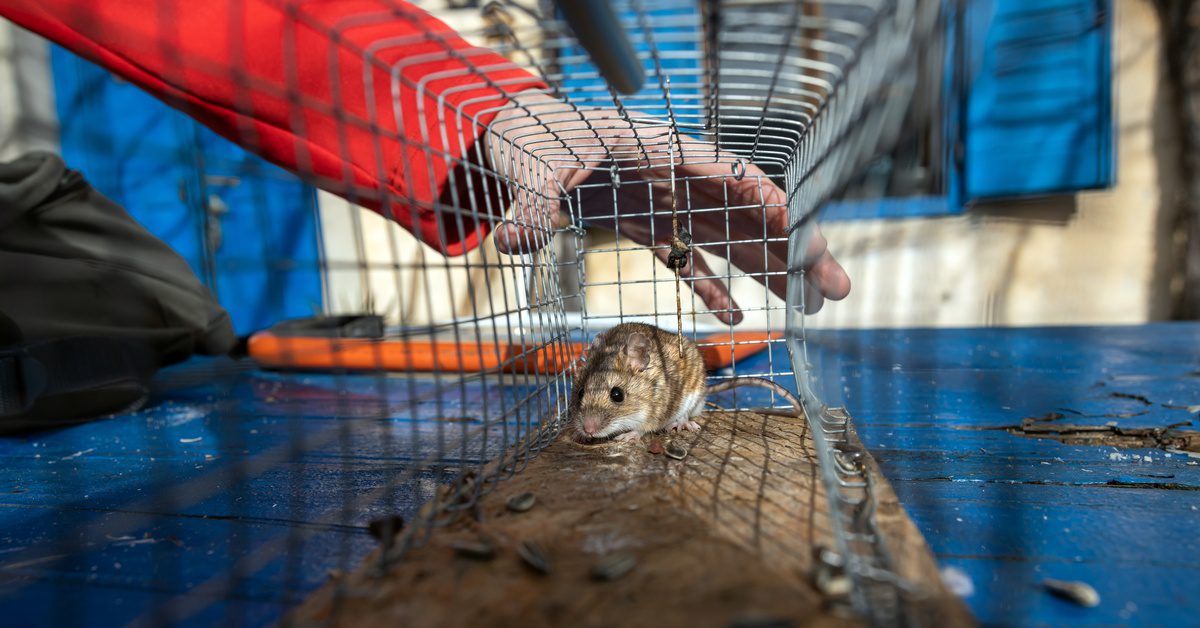
- Set traps: Traps are an effective method for eliminating rodents. Snap traps, glue traps, and live traps are popular options. Place them in areas where rodent activity is evident, such as along baseboards or inside cabinets.
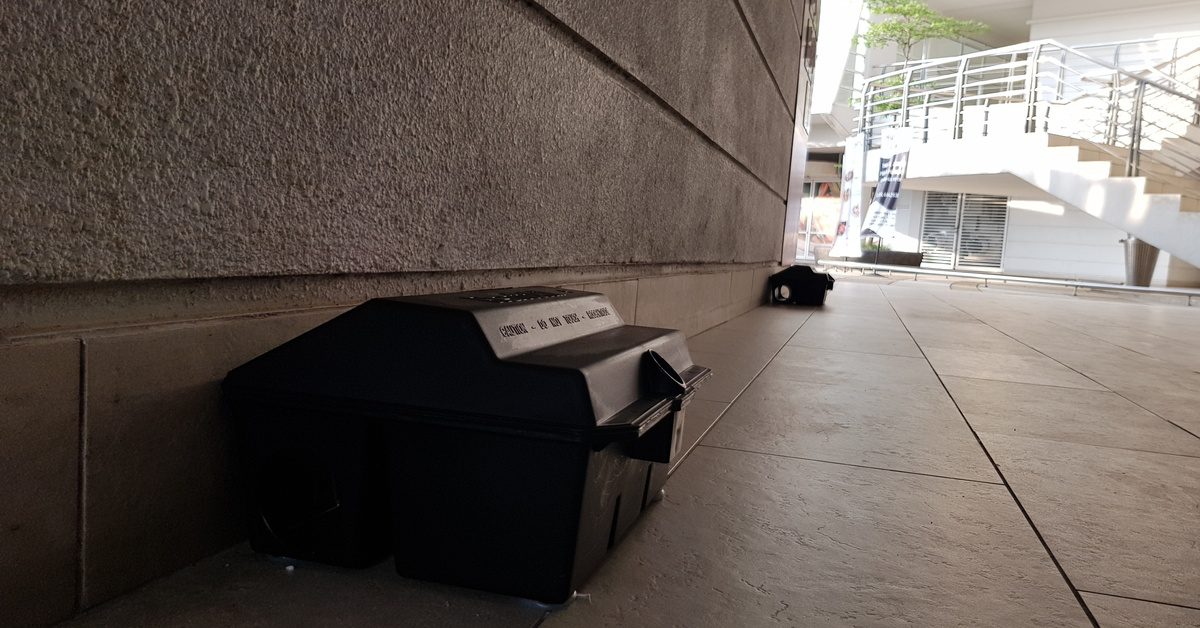
- Use rodenticides cautiously: If using rodent poison, exercise extreme caution to prevent accidental poisoning of nontarget animals or people. Always adhere to manufacturer guidelines during use, and consider hiring professionals if needed.
- Clean and sanitize: Remove sources of food, water, or shelter that may attract rodents. Store food in airtight containers, promptly remove garbage, and clean spills immediately.
- Dispose of rodents properly: Safely dispose of dead rodents and thoroughly sanitize the area to eliminate remaining contaminants.
Know When To Call Professionals
While you can often use DIY methods to handle minor infestations, once you detect a larger or recurring infestation, it’s time to seek professional pest control services. These experts have the tools, experience, and techniques to address severe infestations quickly and effectively. Additionally, they can provide advice on long-term prevention strategies to help keep rodents at bay.
Safeguard Against Future Infestations
Preventing rodent infestations is easier and more cost-effective than dealing with them after they occur. As a landlord, you should implement the following routine maintenance and preventative measures to keep your property rodent-free:
- Maintaining the Property’s Exterior:
- Inspect the building’s exterior regularly for gaps, cracks, or damaged vents, then repair them promptly.
- Trim tree branches or shrubs near the property to prevent rodents from accessing the roof.
- Securing Potential Food and Water Sources:
- Outfit tenant garbage bins with tight-fitting lids, and empty bins frequently.
- Fix leaks or dripping faucets promptly to eliminate water sources.
- Educating Tenants:
- Provide tenants with clear instructions on how to keep their living spaces clean and minimize conditions that attract rodents.
- Share tips, such as storing food securely, promptly disposing of garbage, and refraining from leaving pet food out overnight.
- Regular Inspections:
- Conduct routine property inspections to identify and address potential vulnerabilities.
- Use these inspections as an opportunity to check for early signs of rodent activity.
Understand Legal and Ethical Responsibilities
Landlords have a legal and ethical responsibility to provide tenants with a safe, habitable living environment. Rodent infestations are not just a nuisance; they’re a serious health hazard. If tenants report an infestation and a landlord fails to act promptly, they may be liable for associated health risks or damages.
Familiarize yourself with local regulations regarding landlord responsibilities and pest control. These may include guidelines for response times, repair obligations, or tenant rights to break the lease if a property is deemed uninhabitable. Acting swiftly and responsibly can protect you from legal complications and help maintain a positive relationship with your tenants.
The Importance of Documentation
Throughout the process, document all actions taken to address the rodent infestation. Keep records of tenant complaints, inspection notes, receipts for traps or pest control services, and communication with tenants regarding the issue. Documentation is evidence of your proactive efforts to resolve the problem, which can be invaluable if disputes arise.
Maintain a Positive Landlord-Tenant Relationship
Handling a rodent infestation is undoubtedly a stressful situation, but it’s also an opportunity to demonstrate your commitment to your tenants’ well-being. By taking decisive action, maintaining open communication, and offering support throughout the process, you can foster a positive landlord-tenant relationship. Satisfied tenants are more likely to renew their leases and take better care of the property, leading to long-term benefits for you as the landlord.
Expert Services You Can Rely On
Handling a rodent infestation in your rental property can be daunting, but with the right approach, you can manage it effectively. Recognize the signs early, take prompt action, and focus on prevention to protect your property and provide a safe, comfortable environment for your tenants. By staying proactive and responsible, you can turn a potentially challenging situation into an opportunity to strengthen your reputation as a reliable and caring landlord.
If you’re dealing with a rodent infestation that is beyond your control, it may be time to call in a professional. If you require rat control in Fort Worth, our experts at Legacy Rodent Control are happy to help eliminate your rodent problem.
