
Pests and Allergies: How Common Pests Can Trigger Reactions
Allergies cause discomfort and often disrupt one’s daily life. Many people don’t realize that common pests may exacerbate their allergies and make them feel worse. Read on to learn how common pests can trigger allergic reactions so you can protect your health and create an allergen-free living space.
Mice and Rats
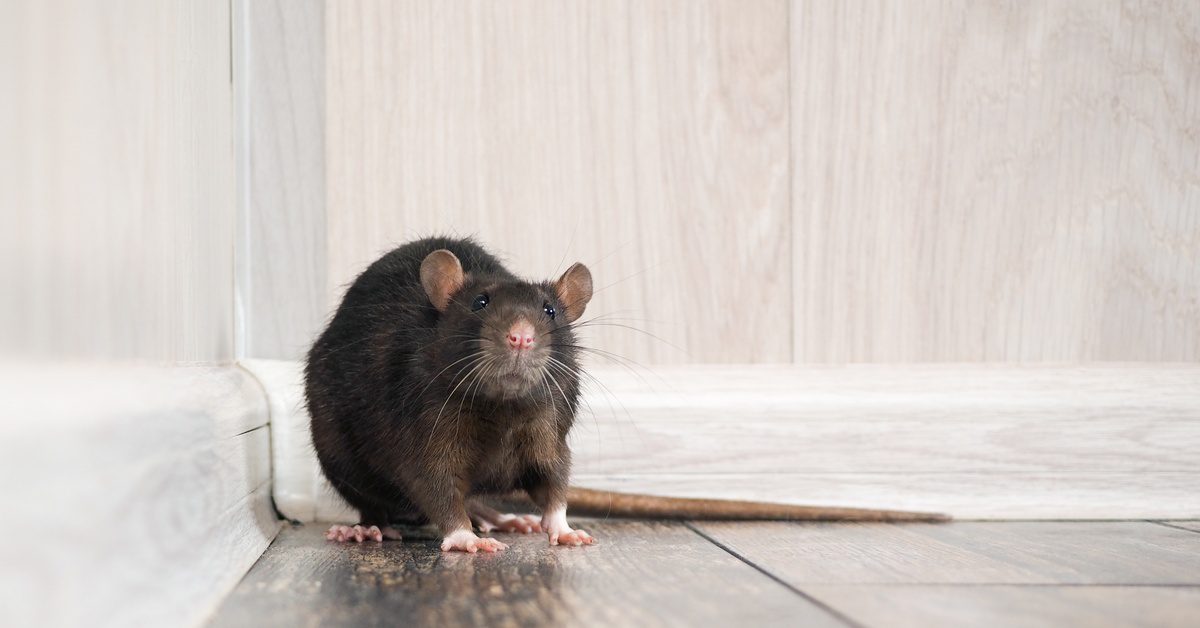
When mice and rats invade homes in search of warmth or food, their presence can pose a threat to individuals with allergies. Rodent fur, saliva, and droppings release allergens into the air. These contaminants can irritate the nasal passages or trigger asthma attacks.
Once these particles settle, they easily disperse in household dust and adhere to soft surfaces, such as furniture and carpeting. The sheer size of mice and rats allows them to crawl into tight corners and create nests that often go unnoticed, thereby amplifying exposure risks. The rodents’ nocturnal habits mean allergenic particles accumulate exponentially during their silent activity.
Regular sightings or fur shedding suggest a growing infestation that worsens over time. Untreated occurrences of mice or rats may compromise a home’s air quality and leave inhabitants battling symptoms ranging from reddened eyes to severe respiratory irritation.
Squirrels
Another common pest that can trigger allergic reactions is squirrels, which can be particularly threatening to households surrounded by large trees. Although you typically see these rodents outdoors, they often infiltrate attics or crawl spaces in search of secluded nesting spots. When this occurs, their waste and shed fur frequently introduce irritants.
Beyond direct allergens, squirrel nests introduce additional parasites, such as fleas or ticks, which heighten allergic vulnerability. Skin sensitivities may escalate when individuals unknowingly touch locations where squirrels have been. Leaving squirrel habitats unattended exacerbates these problems and turns localized issues into broader threats inside the home.
Their nesting materials, including dried leaves or twigs collected outdoors to build insulated shelters, increase the distribution of mold spores that irritate the nasal cavities. Ignoring these contributing factors can make battling allergies within a squirrel-occupied space difficult.
Raccoons
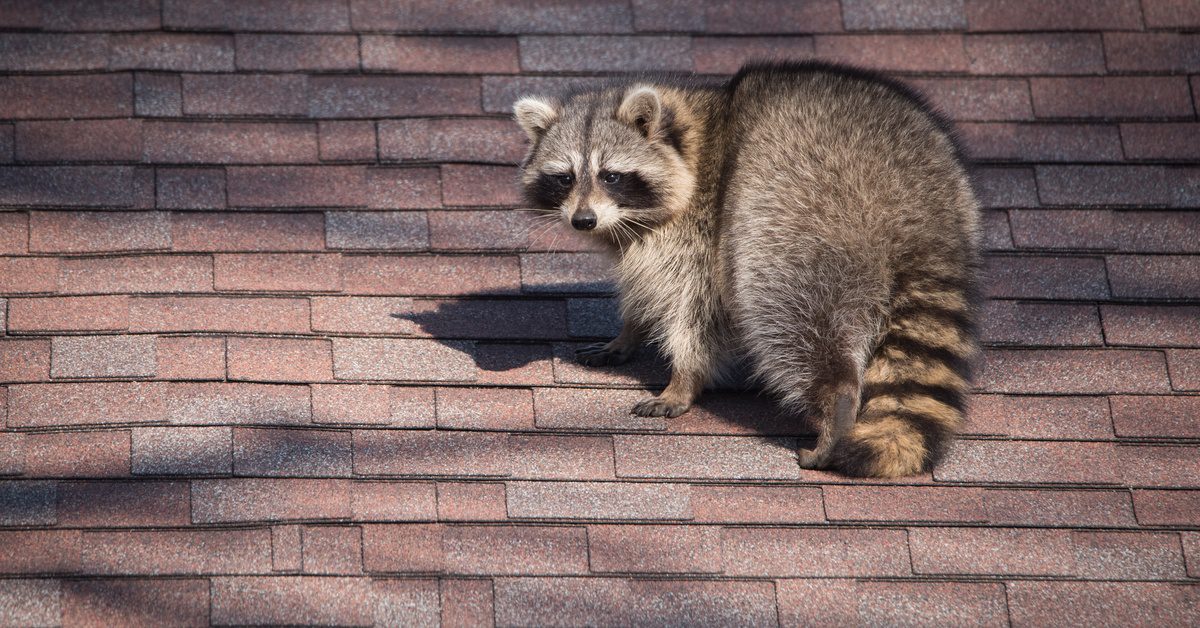
Raccoons can also trigger a person’s allergies. They produce dander, which can be particularly harmful if the creature enters ventilation systems in indoor environments. Certain pathogens tied to raccoon droppings can release airborne contaminants that trigger respiratory discomfort. Similarly, inhaling small, indirect amounts of residual urine particles increases asthma-related challenges for sensitive individuals.
Those coexisting near raccoon nesting zones frequently suffer complications. Raccoon habitats often affect people who unknowingly come into contact with contaminated surfaces through casual physical interaction. Timely measures minimize exposure, lowering the risk factors associated with active infestations.
Opossums
Opossums favor sheltered areas close to food sources, often choosing garages or crawl spaces beneath homes. Although they’re not as well-known as a source of allergens, they can trigger reactions in some people. These animals can release allergens through their skin flakes and urine.
Their frequent scavenging can also result in harmful organic buildup, including dirt or debris. Those who set out to clean opossum nesting areas should take caution to avoid extended exposure to allergenic sediments.
Opossum droppings, combined with their constant movement around unused basements, add visible contamination zones. Residents often belatedly connect their long-term sinus inflammations with these quiet visitors.
Skunks
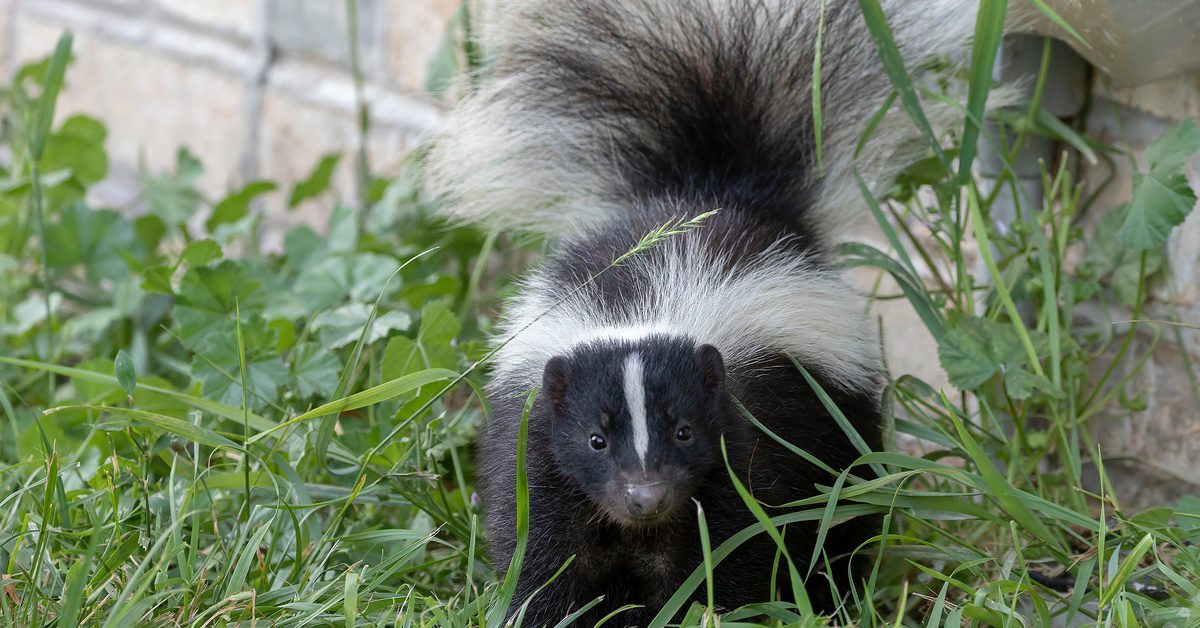
Few wildlife nuisances have as much notoriety as skunks, thanks to their defensive spray. These odoriferous excretions contain irritants and oil particles that can cause excessive irritation in individuals prone to skin allergies.
Chronic reactions can also occur when individuals are physically near remnants of previous sprays, as these oils can embed themselves into fabric or wooden surfaces for extended periods after release. Skunk dander and hair can also trigger allergies.
How To Minimize Allergy Triggers
Now that you’ve learned how common pests can trigger your allergies, don’t miss these ways to minimize their effects. These practical tips for avoiding allergens will help you better enjoy your surroundings.
Eliminate Gaps in Your Home
One way to avoid allergy triggers is to seal up gaps or cracks in the walls, doors, windows, and foundations that may serve as entry points for pests. Use caulk, weather strips, or mesh screens to block pests from entry. You should also regularly inspect your home for signs of pest activity. Maintaining a secure environment is a proactive way to limit pest allergens and protect your family’s well-being.
Use an Air Purifier
An air purifier can be an effective tool for reducing pest allergens in your home. High efficiency particulate air (HEPA) filters are particularly useful, as manufacturers design them to capture fine particles, including pest droppings, dander, and other microscopic allergens often left behind.
By continuously filtering the air, you can maintain a healthier home. Purchase a purifier that fits your home’s living space and maintain it regularly. This investment can bring you greater comfort and improve your peace of mind.
Tidy Up Your Spaces
Maintaining a clean and organized home is another vital step in reducing pest allergens. Regular cleaning routines, such as vacuuming carpets and rugs with HEPA-filter vacuums, wiping down surfaces, and washing bedding in hot water, can limit the presence of allergens like pest droppings and dander.
Safeguard Your Food
Improving the security of your food can also prevent the spread of pest allergens. Place dry goods in airtight containers made of sturdy materials such as glass or thick plastic to keep rodents away and preserve food freshness.
When you leave food out, you can attract pests and increase the risk of allergen contamination. You should also regularly clean food storage areas, wipe down surfaces, and dispose of expired items to maintain a hygienic environment.
Hire a Pest Removal Professional
If you feel overwhelmed by the pest infestation in your home, partner with a professional pest removal service. These experts can help you identify pest infestations and implement effective strategies to remove them safely and efficiently.
Experts can also provide recommendations tailored to your home so these pests don’t return. By hiring a pest removal professional, you will enhance the hygiene in your living environment and improve your physical health.
Contact Legacy Rodent Control To Control Pests and Allergies
Now that you know how pests can affect your allergies, you won’t easily overlook them in the future. Follow the tips above to feel more comfortable in your home. If you need the help of a rat exterminator or a specialist who can also assist with the removal of mice, squirrels, opossums, raccoons, or skunks, contact Legacy Rodent Control. We’re ready to help you solve your rodent-related challenges and once again feel safe in your home.
