What Damage Can Raccoons Do To Your Roof
Most homeowners never think about raccoons when they notice unexplained roof damage or hear strange noises overhead. However, these animals rank among the most destructive wildlife threats to residential roofing systems.
Understanding how these creatures can damage roofing materials can help you better protect your property and avoid expensive repairs. Find out what damage raccoons can do to your roof.
Shingle Damage and Surface Wear
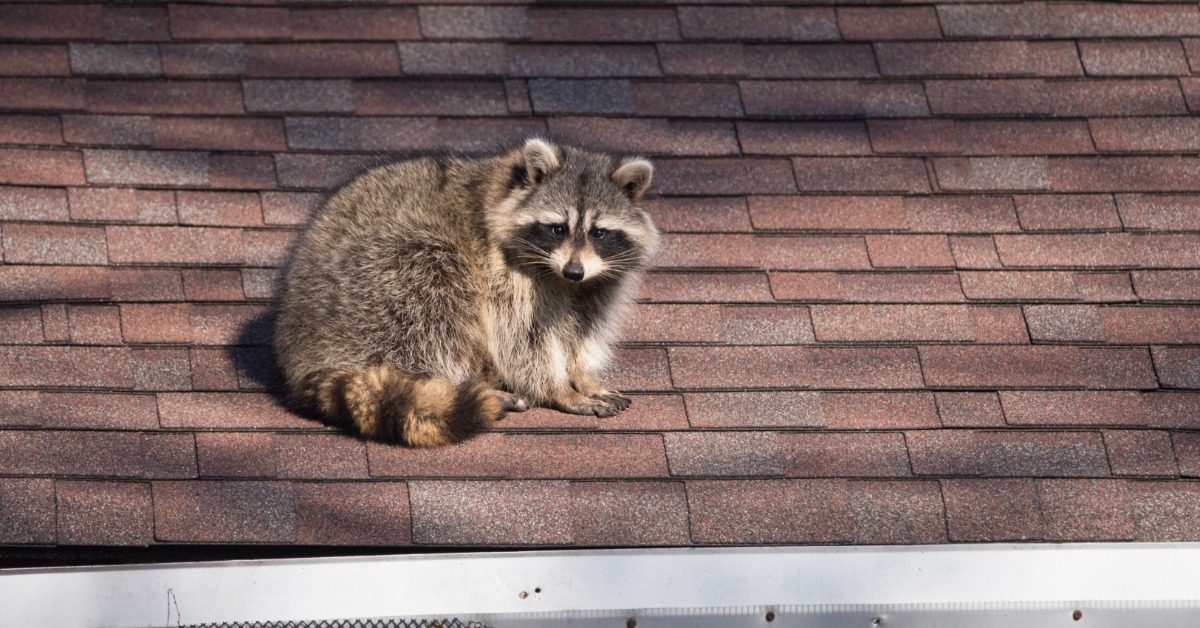
Raccoons frequently damage shingles while exploring rooftops in search of shelter or food sources. They pull, chew, and pry at shingles to test weak spots, especially along roof edges and ridgelines. Asphalt shingles suffer the most because they tear easily, exposing the layers beneath.
Once shingles loosen or rip away, the roof can no longer channel water properly during rainstorms. Moisture slips beneath the roofing surface and begins to damage the underlayment and wood decking. Over time, even minor shingle damage can lead to leaks, mold growth, and widespread deterioration.
Damage to Roof Vents and Attic Openings
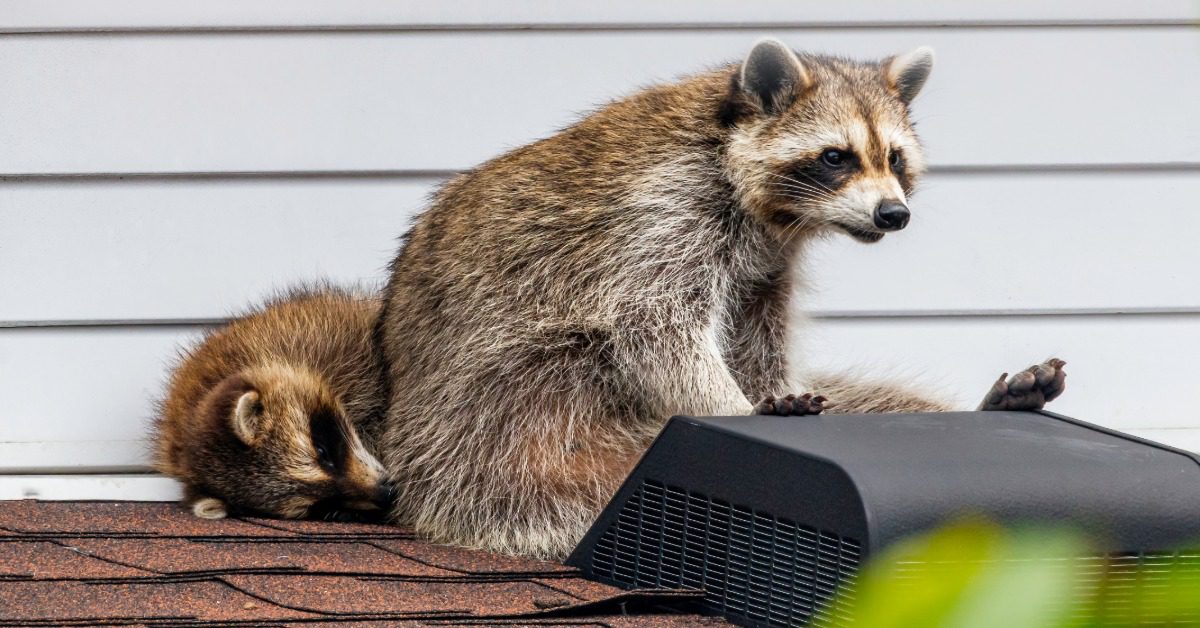
Roof vents provide direct access to warm attic spaces, which makes them especially appealing to raccoons. These animals bend, tear, or completely remove vent covers to squeeze inside. Plastic and lightweight metal vents offer little resistance against a determined raccoon.
Once vents break or loosen, rainwater, debris, and outdoor air enter the attic freely. This exposure leads to moisture problems, insulation damage, and temperature fluctuations throughout the home. Damaged vents also create new entry points that invite additional wildlife activity.
Gutter and Fascia Board Damage
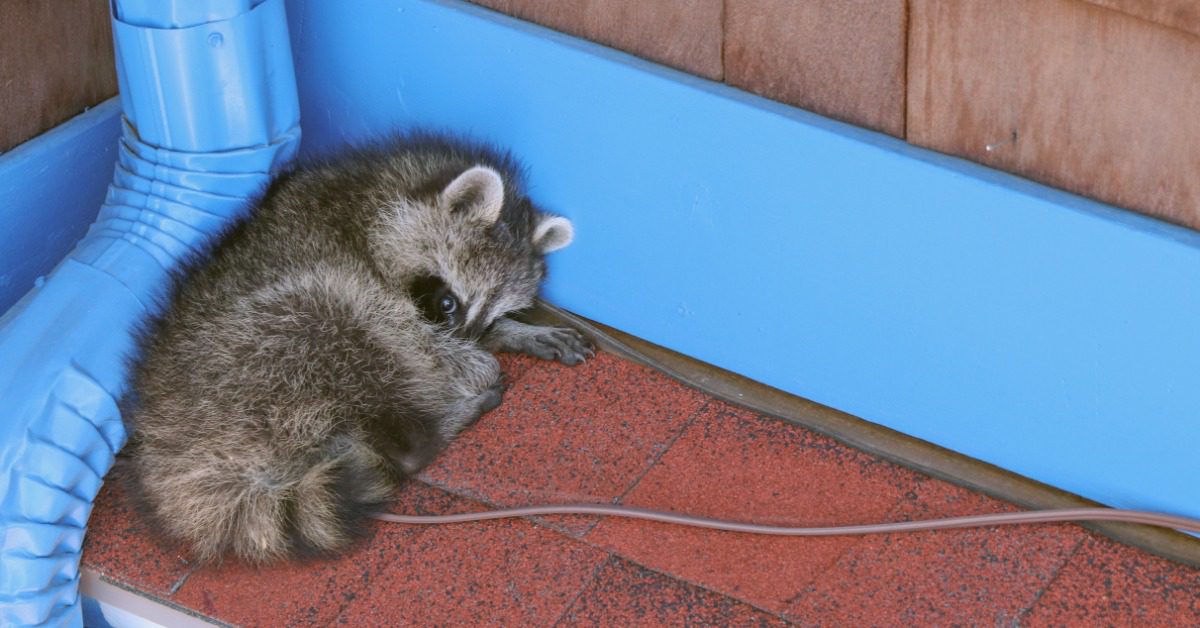
Raccoons often use gutters as climbing tools and resting spots while navigating the roof. Their weight bends gutters out of alignment and pulls them away from the fascia board over time. The repeated stress eventually causes gutters to detach or fail completely.
Fascia boards also suffer damage when raccoons dig their claws into the wood for leverage. Cracks and gaps form as the wood weakens and absorbs moisture. This damage exposes deeper roof components and often requires carpentry repairs in addition to wildlife removal.
Insulation Destruction Inside the Roof
Once raccoons enter the attic, insulation damage becomes almost unavoidable. They tear insulation apart to build nests, create pathways, or make space for movement. As insulation shifts and compresses, it loses its ability to regulate indoor temperatures.
Damaged insulation causes higher energy bills and uneven heating or cooling throughout the home. Moisture trapped in disturbed insulation also increases the risk of mold growth. These conditions reduce comfort and may affect indoor air quality over time.
Structural Damage From Nesting
Raccoons prefer stable nesting locations and often choose roof corners or attic rafters. Their repeated movement can loosen nails, shift framing, and stress structural components. Larger raccoons also place significant weight on materials not designed to support constant pressure.
As nesting activity continues, homeowners may notice sagging ceilings or warped rooflines. Structural damage can escalate quickly without professional intervention. Early detection helps prevent long-term issues that compromise a home’s safety.
Contamination and Secondary Damage
Raccoons create unsanitary conditions wherever they live or nest. They leave behind droppings, urine, and food debris that soak into insulation and wooden surfaces. These contaminants produce strong odors and attract insects.
Contaminated materials break down faster than clean ones due to moisture and bacteria. This combination accelerates roof deterioration and increases cleanup costs. Professional decontamination often becomes necessary to restore safe living conditions.
Roof Damage Affects Home Value
Roof damage caused by raccoons rarely stays hidden forever. Home inspections often reveal evidence of wildlife activity, previous repairs, or lingering moisture issues. These findings can reduce buyer confidence and affect property value.
Insurance claims may also become complicated if homeowners delay addressing damage. Many policies require timely maintenance and documentation of repairs. Taking quick action helps protect your financial investment and long-term peace of mind.
How To Prevent Raccoon Damage to Your Roof
After reviewing what damage raccoons can do to your roof, we can now review how to prevent it. Proactive maintenance reduces the risk of infestations and structural issues. Addressing these issues immediately will prevent them from becoming more expensive.
Trim Trees and Remove Climbing Paths
Trees that extend over your roof can provide easy access points for raccoons. Overgrown landscaping encourages animals to explore rooftops and attics. Fortunately, you can remove one of their most common climbing routes by trimming branches away from your roofline.
This shows how regular yard maintenance plays an important role in long-term prevention. Constant upkeep helps reduce unwanted wildlife activity around your home.
Reinforce Roof Vents and Entry Points
Strong vent covers and sealed gaps make roofs far less attractive to raccoons. Metal vent covers resist chewing and bending better than plastic alternatives. Proper sealing also blocks access without trapping animals inside.
Conduct routine roof inspections to identify weak points before wildlife exploits them. Early repairs cost significantly less than a full roof restoration. You’ll also have the bonus of protecting your interior spaces.
Don’t Leave Food Outdoors
Outdoor pet food, unsecured trash, and fallen fruit attract raccoons to residential areas. Removing these food sources reduces wildlife traffic around your home. These precautions, in turn, will lower the likelihood of roof exploration.
Simple changes to daily habits can make a noticeable difference. For example, make sure you secure trash lids and clean your outdoor areas regularly. Consistency plays a key role in effective prevention.
Hire Raccoon Removal Services
Sometimes, your DIY solutions may not permanently prevent raccoons from invading your home. In that case, it is time to call in professional raccoon removal services. These experts can provide reliable solutions when raccoons target your roof.
For example, trained technicians can identify entry points, remove animals safely, and secure vulnerable areas using materials designed to withstand harsh weather. This approach prevents repeat damage and protects your home’s structure.
Legacy Rodent Control Can Help Safeguard Your Roof
Now that you know how raccoons can cause extensive roof damage, you can do a much better job of maintaining your comfort and safety, as well as the structure and value of your home. Take preventative measures today before these pests create breaches that cause you unnecessary headaches.
Legacy Rodent Control can help homeowners safeguard their roofs with our proven removal solutions. In addition to raccoons, we also offer squirrel removal services in Fort Worth. Contact us today to learn more about how our employees can implement long-term solutions in your home.
