
What Types of Squirrels Are Most Likely To Become Pests
Hearing scratching noises in your attic or finding chewed-up areas on your porch can be alarming, and more often than not, squirrels are the culprits. Although many people enjoy watching these nimble creatures run and climb in parks, they can be frustrating when they decide to move into your house.
Additionally, certain species are particularly prone to becoming nuisances. Learning what types of squirrels are most likely to become pests is the first step in protecting your property.
Why Squirrels Become Pests
There are many reasons why squirrels become pests, including their natural curiosity and resourcefulness, as well as their need for shelter, food, and a safe place to raise their young. Unfortunately, our homes provide the perfect environment for them to meet these needs.
Attics, crawl spaces, and wall voids offer warmth and protection from predators, making them ideal nesting sites. This is especially true during colder months or when a female squirrel is preparing to give birth.
Their adaptability to suburban and urban landscapes is another reason why they become pests. As natural habitats shrink, squirrels learn to thrive alongside humans, seeing our homes not as obstacles but as opportunities. These skilled climbers can easily access roofs via overhanging tree branches, power lines, or rough exterior walls. Once on the roof, they can exploit small openings or chew their way through shingles, fascia boards, and vents to gain entry.
Squirrels also have a constant need to chew. Their incisor teeth never stop growing, so they must gnaw on hard objects to keep them filed down. In the wild, this means nuts, seeds, and tree bark.
However, when they enter your home, they will try to file them down with wooden beams, PVC pipes, insulation, and electrical wiring. This chewing behavior poses significant risks, including structural damage, water leaks, and serious fire hazards. Furthermore, their droppings and urine can contaminate insulation, create unpleasant odors, and pose health risks.
Common Types of Squirrels That Become Pests
Although there are many species of squirrels, a few are notorious for invading homes across the country. Identifying the type of squirrel you are dealing with can help you understand their specific behaviors and the potential damage they can cause.
Eastern Gray Squirrels
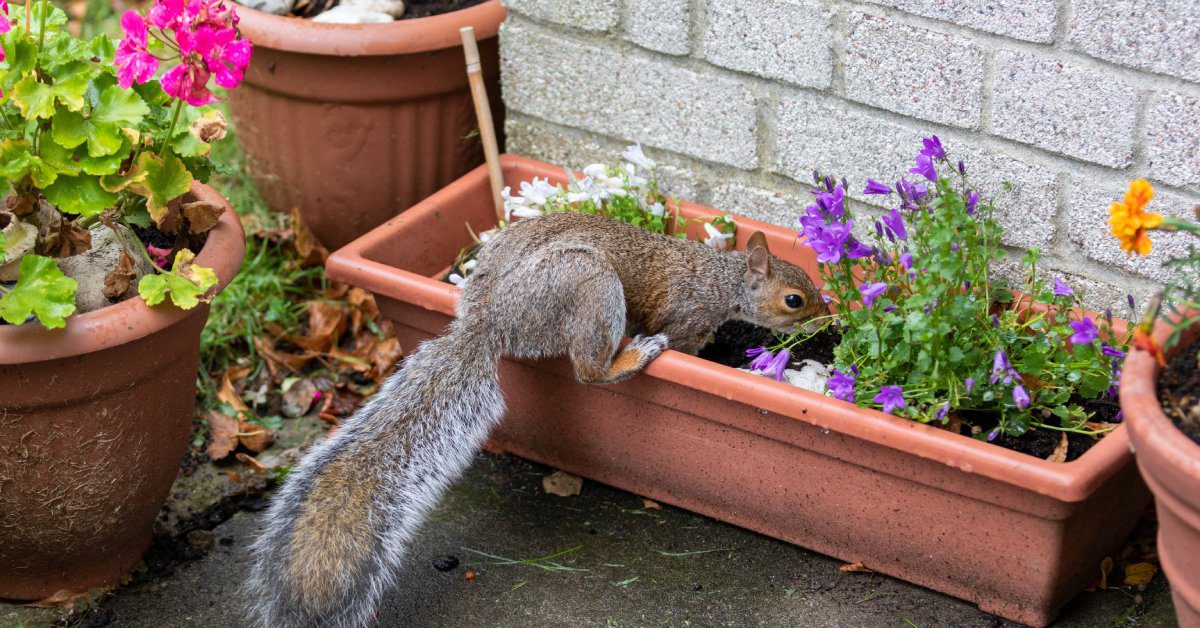
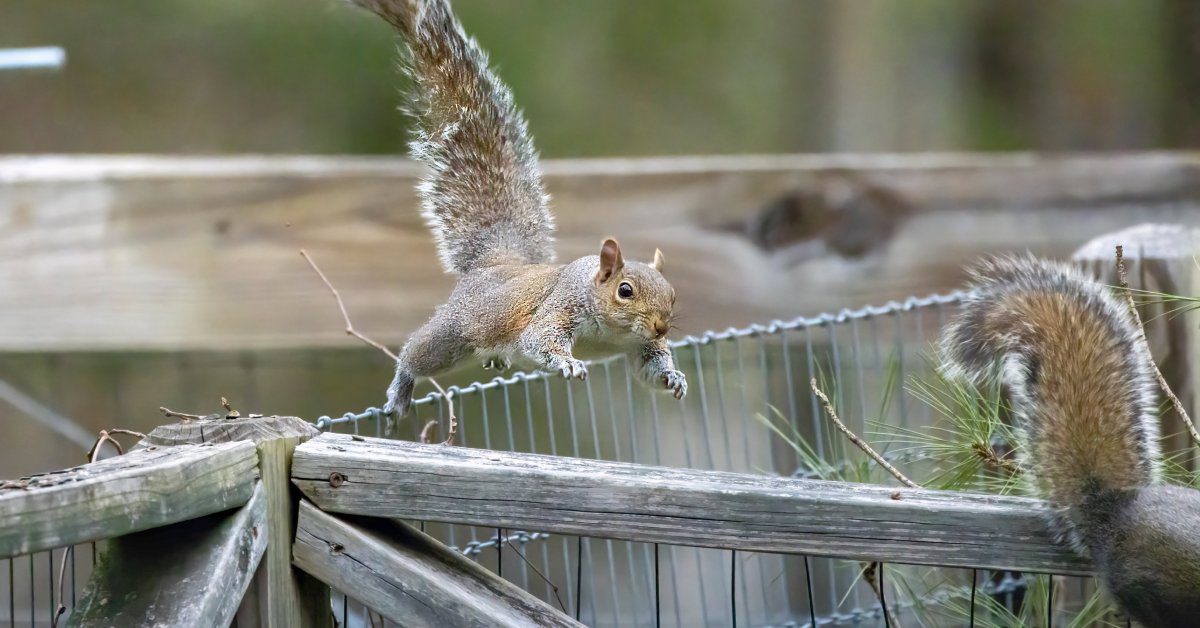
A common squirrel that you can find across the nation is the Eastern Gray squirrel. Their adaptability has allowed them to flourish in cities and suburban neighborhoods, making them the top squirrel pest for homeowners. They are active during the day and are often seen scurrying across lawns, climbing trees, and running along fences and power lines.
These squirrels are notorious for invading attics. They are persistent and can chew through wood, aluminum, and weak points in your home’s structure to create an entry point. Once inside, they will shred insulation, paper, and other materials to build large, messy nests.
The constant noise of them running, scratching, and dropping nuts can disturb homeowners. Their destructive chewing habits also extend to electrical wires and support beams, posing a serious threat to your home’s safety and integrity.
Fox Squirrels
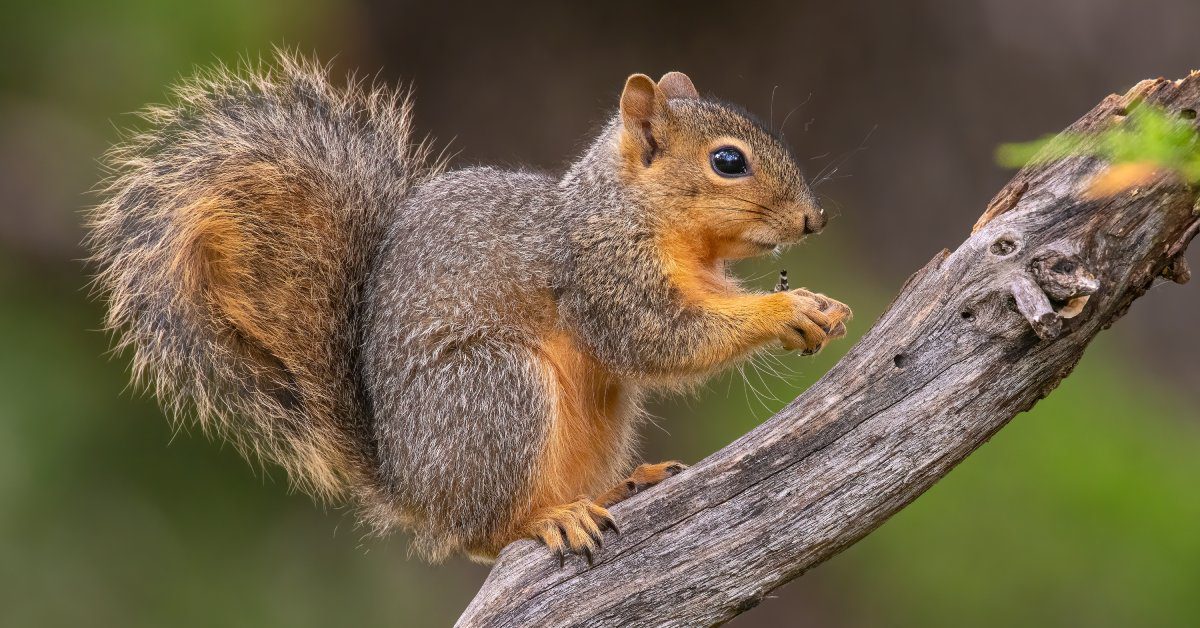
Fox squirrels are the largest tree squirrels in North America, distinguished by their size and reddish-brown or grayish-brown fur. They commonly reside in wooded residential areas, parks, and areas with mature trees. While they may seem less agile than their gray cousins, they are equally capable of becoming a nuisance.
Their primary damage often occurs outdoors. Fox squirrels are avid diggers and will tear up gardens, flower beds, and lawns in search of food or a place to bury their nuts. This behavior can ruin carefully landscaped yards and vegetable patches.
They also tend to chew on outdoor structures, including patio furniture, decking, and wooden siding. Fox squirrels will also invade attics if the opportunity presents itself.
Red Squirrels
Red squirrels, also known as pine squirrels, are smaller and highly territorial. People can easily identify them by their reddish fur and energetic, often aggressive, behavior. Red squirrels are particularly common in areas with coniferous forests but can also be found in suburban neighborhoods with plenty of trees.
These squirrels are hoarders and build large caches of food, such as pinecones and nuts, in sheltered locations. Unfortunately, these locations often include wall voids, chimneys, and attics. Their nests are typically smaller and more hidden than those of gray squirrels.
Red squirrels are also more vocal and can make a chattering noise when they feel their territory is threatened. Their smaller size allows them to squeeze through tiny gaps, making it challenging to keep them out.
Flying Squirrels
Flying squirrels are a unique and often overlooked pest due to their nocturnal habits. These small squirrels have a special membrane between their front and back legs that allows them to glide from tree to tree, which is how they often access the roofs of homes. They are social animals and tend to nest in groups, meaning an infestation can involve a dozen or more individuals.
Because they are active at night, the first sign of a flying squirrel problem is strange noises coming from the attic or walls after dark. Flying squirrels can enter homes through tiny openings, sometimes no bigger than a quarter. Once inside, they will create communal nests and latrine areas, leading to significant contamination from urine and droppings over time.
Signs of a Squirrel Infestation
After learning what types of squirrels are most likely to become pests, it’s important to be able to detect a squirrel problem early. Many homeowners dismiss the initial signs, but paying attention to these clues can save you considerable stress and expense down the road. Common indicators of a squirrel infestation may include scratching and scurrying noises from your attic, ceilings, or walls.
Additionally, you may notice chewed wood on your home’s exterior, particularly around the roofline, eaves, or vents. You might also find damage to shingles or siding, dug-up bulbs, raided bird feeders, or gnaw marks on outdoor furniture.
It is also common to find squirrel droppings in your attic, garage, or other storage areas. If you have stains on your ceiling, they can indicate a latrine area. Discovering shredded insulation, leaves, twigs, or paper in your attic or wall voids can also be a sign that a squirrel is making a nest in your home.
Legacy Rodent Control Will Remove Squirrels From Your Home
After learning which squirrels are likely to invade your home and the signs of an infestation, you can better protect your property. If you think you have a problem, it is best to seek the assistance of a professional squirrel exterminator.
Legacy Rodent Control offers expert squirrel removal services and will secure your home against future invasions. Contact us today so that our trained technicians can handle your squirrel problem with the care and expertise you deserve.
