
How Seasonal Changes Influence Pest Behavior Around Homes
Seasonal shifts do more than change the weather. They reshape how wildlife behaves and how pests interact with your home. Many homeowners notice sudden pest problems without realizing that natural patterns drive them.
Understanding these cycles can help you stay one step ahead. Read on to learn how seasonal changes influence pest behavior around homes.
Spring
When spring arrives, warmer temperatures and longer days trigger increased movement. This season often marks the beginning of breeding cycles and new nesting activity around homes.
Rodents Start Expanding Territories
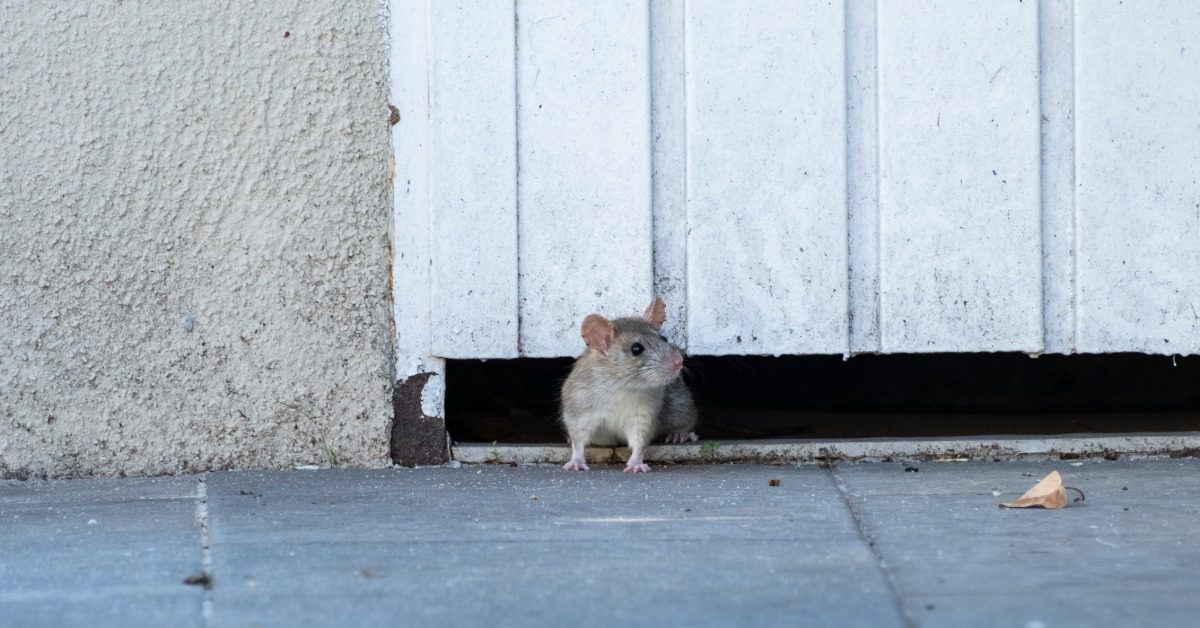
As temperatures rise, rodents leave their winter hiding spots and search for food and nesting materials. Mice and rats become more active in spring because the breeding season begins, leading to rapid population growth. They often invade garages, attics, and wall voids in search of safe nesting areas near food sources.
Bees Begin Nest Formation
Spring also signals the start of hive building for bees. Warmer weather and blooming plants attract bees to residential areas where they search for sheltered spaces to build colonies. Eaves, wall cavities, and attics provide ideal conditions for hive development.
Skunks Search for Shelter
Skunks become more visible in spring as they search for den sites to raise their young. They often burrow under decks, sheds, or crawl spaces to create protected environments. Their digging behavior can damage landscaping and weaken structures.
Opossums Follow Food Sources
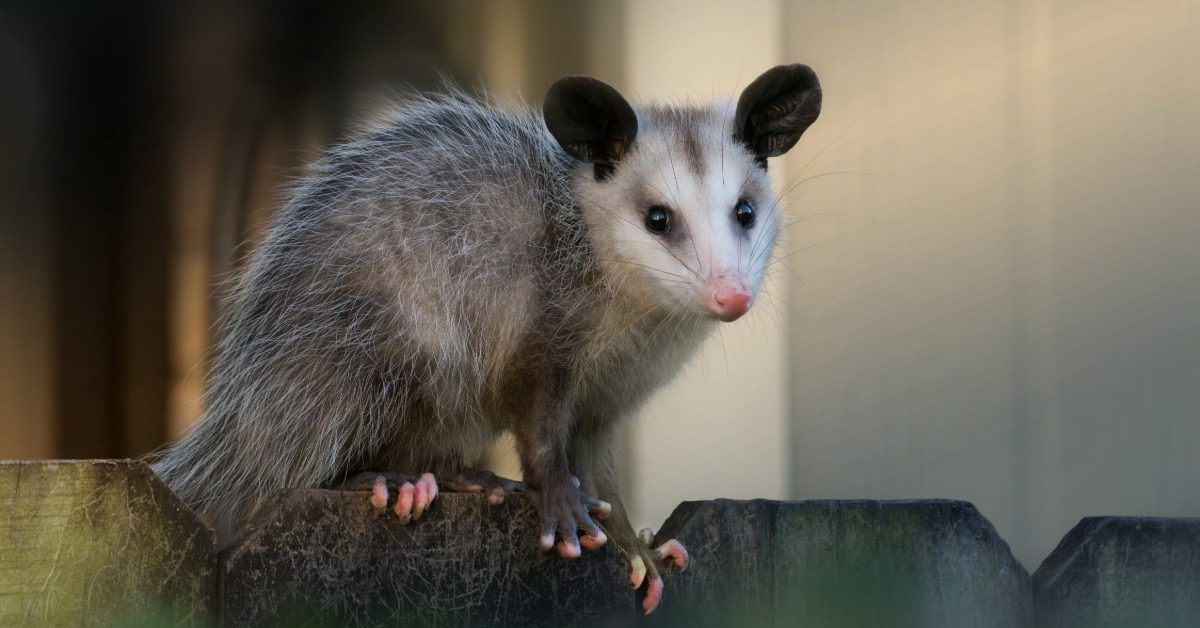
Opossums increase their activity in spring due to greater food availability. They scavenge for insects, fallen fruit, and pet food left outdoors. These animals tend to explore yards and may nest in attics or under porches if they find easy access points.
Raccoons Prepare for Young
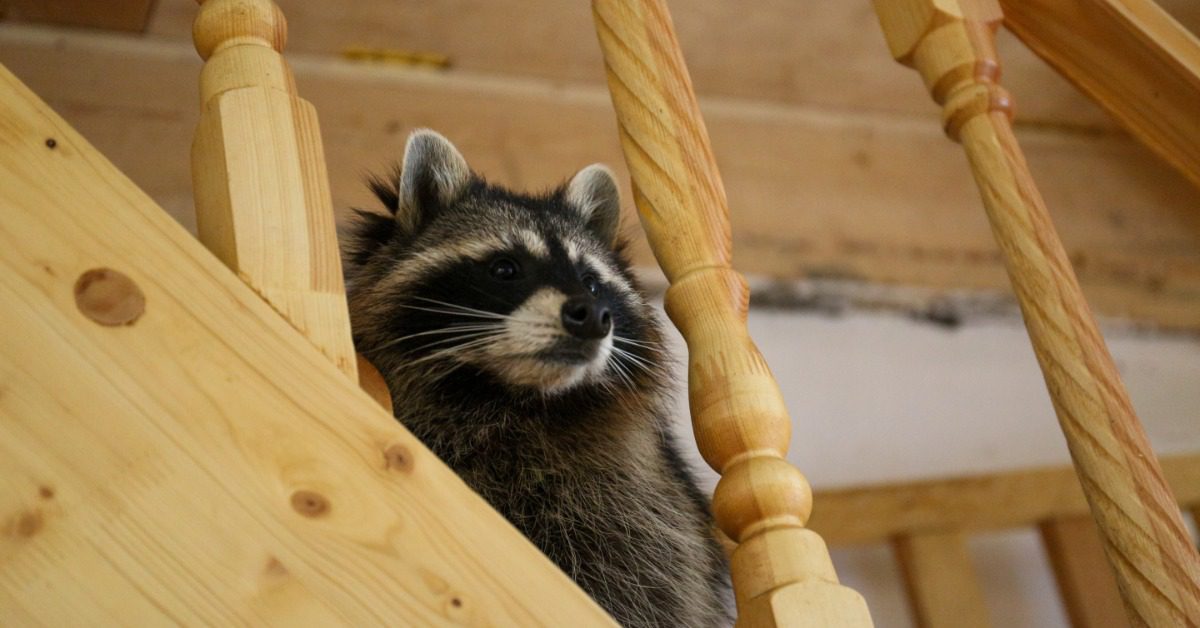
Raccoons seek secure nesting sites during spring as they prepare to give birth. Chimneys, attics, and soffits attract them because these areas offer warmth and protection. Once inside, raccoons can cause structural damage while building nests.
Squirrels Build Seasonal Nests
Squirrels begin gathering materials to build dreys or nest inside attics during spring. They often chew through wood, vents, or wiring to gain entry into homes. This behavior can lead to costly damage if ignored.
Summer
Summer brings intense heat and increased outdoor activity, which pushes pests to adapt their habits. Many animals shift their routines to avoid high temperatures while still searching for food and shelter.
Rodents Seek Cooler Spaces
One way seasonal changes influence pest behavior is that rodents begin looking for cooler indoor environments in summer. Homes provide consistent temperatures and easy access to food and water. Rodents often move deeper into wall cavities or basements to escape the heat.
Bees Seek Out Plants
Summer drives intense foraging behavior as bees take advantage of abundant blooming plants. Worker bees travel frequently between food sources and their hive, often covering large areas around residential properties. This increased movement leads to more visible bee activity near gardens, trees, and outdoor spaces.
Skunks Focus on Nighttime Foraging
The hottest season of the year alsoencourages skunks to spend more time foraging as food sources become widely available. They search for insects, grubs, and small prey in lawns and garden beds, often leaving behind noticeable holes in the soil. Their nocturnal habits keep most activity out of sight, but the damage they leave behind becomes easy to spot.
Opossums Roam More Frequently
Opossums travel longer distances at night in summer to find food. They adapt easily to urban environments and often rely on trash bins or outdoor feeding areas. Their climbing ability also allows them to access roofs and attics.
Raccoons Become More Aggressive Foragers
Raccoons also take advantage of abundant summer food sources. They raid trash cans, gardens, and pet food bowls. Their strong paws allow them to open containers and make a mess.
Squirrels Stay Highly Active
You can also count on squirrels to remain active throughout summer as they gather food and maintain nests. They may enter attics to escape extreme heat or predators. Their chewing behavior continues as they wear down their teeth, which can damage wires and wooden structures.
Fall
Every fall, pests begin preparing for colder weather ahead. Many species increase feeding and start searching for a secure indoor shelter.
Rodents Move Indoors for Warmth
This includes rodents, which look for small openings around foundations, vents, and utility lines to enter homes. Fall marks the start of increased indoor infestations as rodents prepare for winter.
Bees Search for Protected Hives
Meanwhile, bees focus on protecting their colonies in the fall. They become less aggressive in foraging but more defensive of their hives. Structures like walls and attics provide insulation against cooler temperatures.
Skunks Increase Feeding Activity
During the fall, skunks intensify their feeding habits to prepare for winter. They consume insects, small animals, and food scraps to build fat reserves. This increased activity leads to more frequent digging in lawns.
Opossums Prepare for Limited Food
Opossums do not hibernate, but they adjust their behavior as food becomes scarce. They search more aggressively for shelter and consistent food sources. Homes with accessible entry points become attractive options.
Raccoons Secure Winter Dens
Like rodents, raccoons begin searching for safe, warm dens in the fall and often target attics, chimneys, and crawl spaces. Once inside, they may remain throughout the winter months. Their nesting behavior can cause insulation damage and contamination.
Squirrels Stockpile Food
Squirrels gather and store food during the fall to prepare for winter. They may hide food inside attics or wall spaces if they gain access. This behavior increases the risk of property damage.
Winter
The coldest season creates harsh conditions that limit food and shelter outdoors. This can prompt many pests to stay hidden.
Rodents Rely on Indoor Habitats
For instance, winter forces rodents to remain indoors where they find warmth and food. They reproduce less during this time, but established infestations continue to grow.
Bees Stay Dormant in Colonies
Most bee activity slows significantly during winter. Colonies remain inside hives and rely on stored resources for survival. If bees have established a hive inside a home, they may stay hidden until temperatures rise again.
Skunks Also Use Dens for Shelter
Skunks reduce their activity during winter and spend more time in dens. They may share them with other skunks to conserve heat. Structures like crawl spaces and sheds can provide ideal shelter.
Opossums Seek Consistent Shelter
Opossums continue to search for warm shelter throughout winter. They often take advantage of attics, garages, or under-deck spaces.
Raccoons Remain in Dens
You can also expect raccoons to stay in their dens for extended periods during winter. They do not hibernate but conserve energy by limiting movement. Homes that provide secure shelter can host raccoons for months.
Squirrels Stay Active but Hidden
Squirrels remain active during winter but spend more time inside nests. If they have entered a home, they will continue to use attic spaces for shelter. Their chewing and nesting habits persist throughout the season.
Legacy Rodent Control Can Help Evict Unwanted Guests
As we’ve seen, each season brings different challenges that require awareness and timely action from homeowners. Ignoring these patterns can lead to costly damage and health concerns as infestations grow.
If you start experiencing these pest-related problems, contact Legacy Rodent Control immediately. For example, our rodent exterminators in Dallas, Texas, can help you rid your home of mice and rats year-round.
