

A Closer Look at the Life Cycle of Common Household Rodents
Rodents live closer to people than most homeowners realize, often building nests and raising young just out of sight. Their ability to reproduce quickly and adapt to indoor environments makes them especially challenging once they settle in.
Understanding how these animals grow, mature, and multiply helps homeowners understand why they must avoid a large infestation. This blog offers a closer look at the life cycle of common household rodents.
How Rats Grow and Reproduce
One common household rodent is a rat. Understanding each stage of their lifecycle will help you understand how infestations start and why they escalate so rapidly.
Birth and Early Development
Rats can begin life in hidden nests that females build in walls, attics, or crawl spaces. A single litter often includes six to 12 pups, and a mother can produce several litters each year.
Newborn rats enter the world blind, hairless, and completely dependent on their mother for warmth and nutrition. Within just a few days, they begin to develop fur, and their eyes open after about two weeks.
Juvenile Growth
Young rats grow quickly and start exploring their surroundings within three weeks. At this stage, they begin nibbling on solid food while still relying on their mother for support. Their curiosity leads them to venture farther from the nest, increasing the likelihood that homeowners will notice droppings or chew marks.
Adolescence and Sexual Maturity
Rats reach sexual maturity at an alarming pace, often within five weeks of birth. At this point, they can begin reproducing, which accelerates population growth inside a home.
Their bodies strengthen, and their behavior becomes more independent as they search for new nesting areas. This rapid transition means that even a small rat problem can expand quickly if left unaddressed.
Adulthood and Reproduction
Adult rats focus on survival, nesting, and reproduction. They build complex tunnel systems and maintain multiple nesting sites to increase their chances of survival.
Female rats can become pregnant again shortly after giving birth, which creates overlapping generations in a single space. This constant cycle allows infestations to grow rapidly and makes early intervention essential.
The Growth Stages of Mice
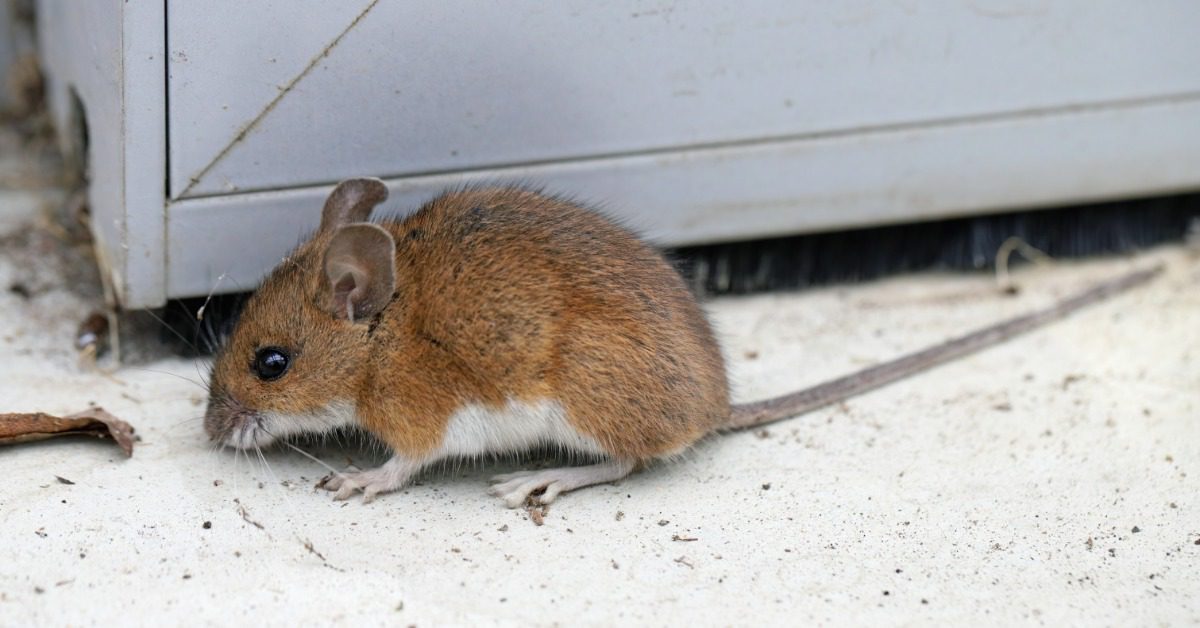
Now we can look at mice, which also develop at an incredibly fast pace. A closer look at their lifecycle reveals how quickly a few can turn into a widespread problem.
Birth and Dependency
Mice follow a lifecycle similar to rats, but on a smaller scale and with even faster timelines. A female mouse gives birth to litters of five to eight pups after a short gestation period.
These pups rely entirely on their mother and remain hidden in nests made of shredded materials like insulation or paper. They develop quickly, gaining fur within days and opening their eyes after about two weeks.
Rapid Juvenile Development
Young mice begin moving around and exploring their environment at just two to three weeks old. They start eating solid food and mimic adult behaviors such as gnawing and nesting.
This stage often marks the onset of visible signs such as droppings, scratching sounds, or damaged food packaging. Their small size allows them to squeeze through tiny openings, which helps them spread throughout a home.
Early Maturity
Mice can reach sexual maturity in as little as six weeks. This rapid development creates a constant cycle of reproduction that can overwhelm a home in a short amount of time.
Young mice begin establishing their own nesting areas while staying close to reliable food sources. Their ability to reproduce so early makes them one of the most persistent household pests.
Adult Behavior
When mice reach adulthood, they prioritize nesting, feeding, and breeding. They remain active year-round, especially in indoor environments where food and shelter are consistent. A single pair of mice can produce dozens of offspring in just a few months, which leads to exponential population growth.
A Breakdown of Squirrel Development
One last type of rodent we’ll look at is the squirrel, which has a slightly slower life cycle than rats and mice. However, it still causes significant issues when it nests in homes.
Birth and Nesting
Squirrels typically give birth in nests known as dreys or inside sheltered spaces like attics. A litter usually includes two to four babies, which remain blind and hairless at birth. The mother provides constant care and keeps the nest warm and protected.
Juvenile Exploration
Young squirrels develop fur and open their eyes within a few weeks. As they grow stronger, they begin exploring outside the nest under their mother’s supervision. This stage introduces them to climbing, foraging, and recognizing safe pathways.
Adolescence and Independence
Squirrels reach adolescence at around seven to 10 weeks, when they begin acting independently. They start searching for food sources and may establish new nesting areas nearby. This stage often brings them into closer contact with human structures as they look for safe shelter.
Life as an Adult Squirrel
Adult squirrels focus on maintaining nests and preparing for seasonal changes. They usually produce two litters per year, which allows populations to grow steadily. These animals often return to the same nesting sites, especially if they find reliable shelter in a home.
How Rodent Reproduction Affects You
After learning aboutthe life cycle of common household rodents, we can examine why they can pose a threat. Because rats and mice reach maturity in just a few weeks, a small number of rodents can turn into a large population in a short period.
Their constant need to chew damages wood, wiring, and insulation, which creates both structural and safety concerns. In addition, squirrels contribute to property damage by tearing through roofing materials.
Beyond physical damage, rodents contaminate living spaces with droppings, urine, and nesting debris. These materials introduce bacteria and allergens that can affect indoor air quality and overall health. As populations grow, rodents compete for space and resources, which drives them to explore new areas of the home. This movement increases the likelihood of sightings and makes the problem more difficult to contain.
Rodents also adapt quickly to their environments, learning where to find food and how to avoid threats. Their ability to reproduce continuously ensures that even if you remove some individual rodents, others remain to continue the cycle. This persistence highlights the importance of addressing infestations early and thoroughly.

Legacy Rodent Control Can Help You Avoid Infestations
Now you know about the damage that rodent infestations can cause if you leave them unchecked. If you notice signs of rodents in your home, you should act quickly to protect your property and your family and contact professionals before the problem worsens.
Legacy Rodent Control can help with its rodent control services in Frisco. We can identify entry points, remove existing pests, and prevent future infestations in your home. Reach out to us today to restore comfort and safety to your home with our expert solutions.
