
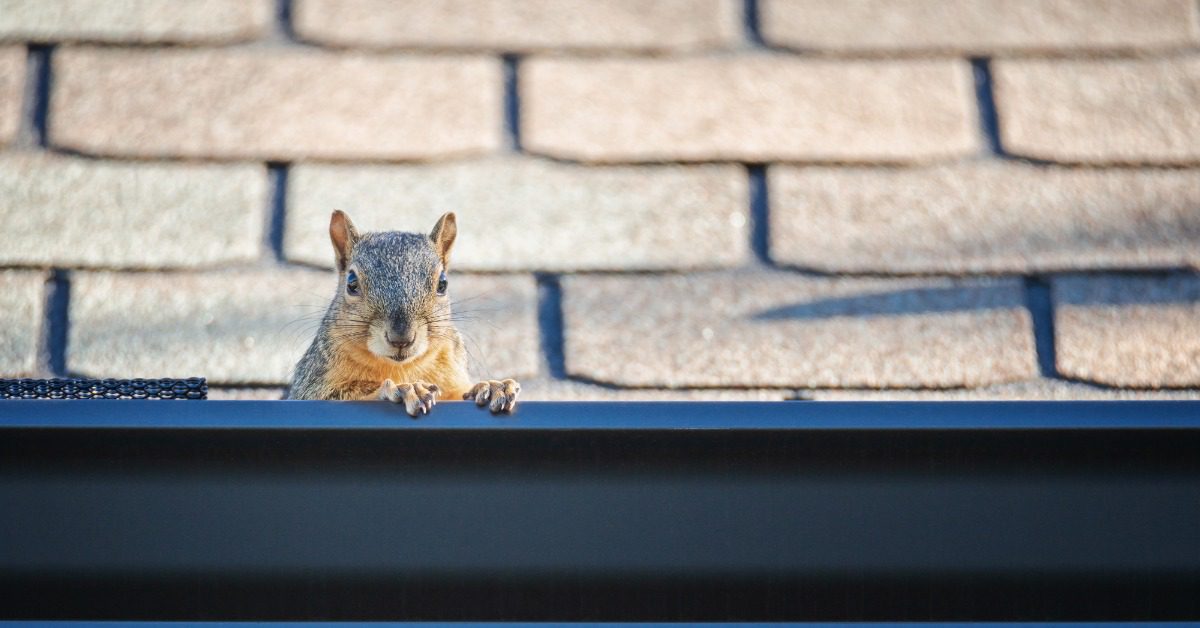
The Long-Term Risks of Ignoring Squirrel Infestations
It’s easy to disregard the danger of squirrels when you see them in your yard. However, they can create serious problems when they move into your home. Many homeowners underestimate the damage these small animals can cause over time, especially when infestations go unchecked.
What starts as a minor nuisance can quickly turn into a costly and hazardous situation. Let’s look at the long-term risks of ignoring squirrel infestations so you can understand why you should take action before the problem escalates.
Lasting Structural Issues
When squirrels chew to keep their teeth from overgrowing, they can make your home their target. They gnaw through wood, soffits, fascia boards, and even structural beams to create entry points and nesting areas. These openings allow them to move freely between the outdoors and your attic, which increases the scope of the infestation.
As squirrels settle in, they expand their nests and continue chewing on nearby materials. This activity weakens key structural components, especially in areas already subject to weather-related wear. Over time, even small chew marks can develop into larger vulnerabilities that compromise your home’s integrity.
Homeowners may eventually notice sagging rooflines, loose siding, or gaps along the roof edge. These issues do not resolve on their own and often worsen without intervention. Ignoring squirrel activity allows structural damage to progress until repairs become extensive and expensive.
Damage to Stored Belongings
Many homeowners use their attics for storage, making them an easy target for squirrels searching for nesting materials. They chew through cardboard boxes, plastic containers, and fabric items to build their nests. This behavior can quickly damage a wide range of belongings.
Squirrels often shred insulation, paper, and cloth to create soft nesting areas. In the process, they destroy seasonal decorations, clothing, and keepsakes that may hold sentimental value. People often find that they cannot repair these items after squirrels damage them.
Wire Damage and Safety Hazards
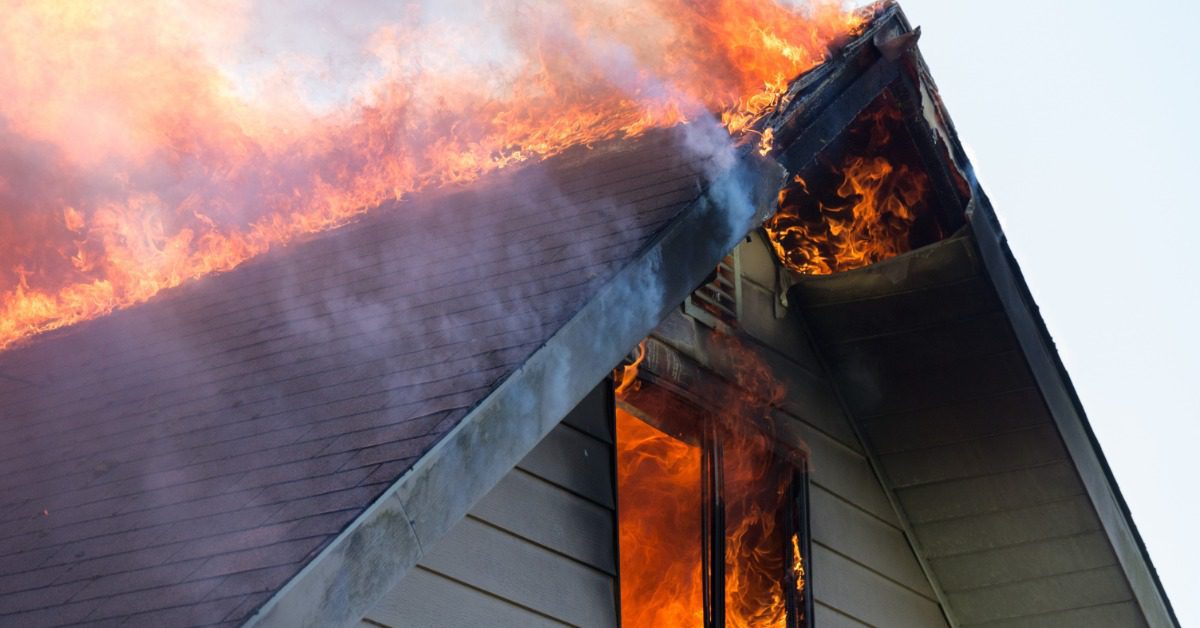
Squirrels often explore attics and wall cavities where electrical wiring runs throughout your home. As they chew, they strip away the protective insulation that surrounds wires. This exposure creates dangerous conditions that many homeowners do not notice right away.
When wires lose their insulation, they can spark or overheat as electricity flows through them. These sparks can ignite nearby materials, including dry wood or insulation. A single compromised wire can create a serious fire hazard that threatens your entire home.
Over time, the risk increases as squirrels continue to chew on additional wiring. What begins as minor damage can escalate into a major safety concern. Addressing the infestation early reduces the likelihood of electrical failures and helps protect your home from fire-related damage.
Unsanitary Conditions and Health Issues
Squirrels treat your attic as a nesting space, which means they leave behind droppings and urine. These waste materials quickly soak into insulation, creating strong odors and unsanitary conditions. As the contamination spreads, it becomes harder to contain.
Your HVAC system can circulate airborne particles from the attic into your living spaces. This process affects indoor air quality and exposes your family to allergens and irritants. Even if you do not see visible signs, you may notice lingering smells or increased respiratory discomfort.
Over time, the buildup of waste creates a more serious health concern. Contaminated insulation often requires full replacement to restore a safe environment. Ignoring the issue allows these conditions to worsen and complicates cleanup.
Higher Energy Bills
Squirrel infestations can have a direct impact on your home’s energy efficiency, especially when they damage insulation. As squirrels nest and move through your attic, they tear apart insulation and create gaps that allow air to escape. This disruption makes it harder for your home to maintain consistent indoor temperatures.
When insulation no longer performs properly, your heating and cooling system must work harder to compensate. Warm air escapes in winter, while cool air leaks out in summer. As a result, your HVAC system runs more frequently and uses more energy to keep your home comfortable.
Over time, homeowners often notice a steady increase in their energy bills without an obvious cause. The longer the infestation continues, the more severe the loss of efficiency becomes. Addressing squirrel activity early helps restore proper insulation performance and keeps your energy costs under control.
Parasites and Secondary Infestations
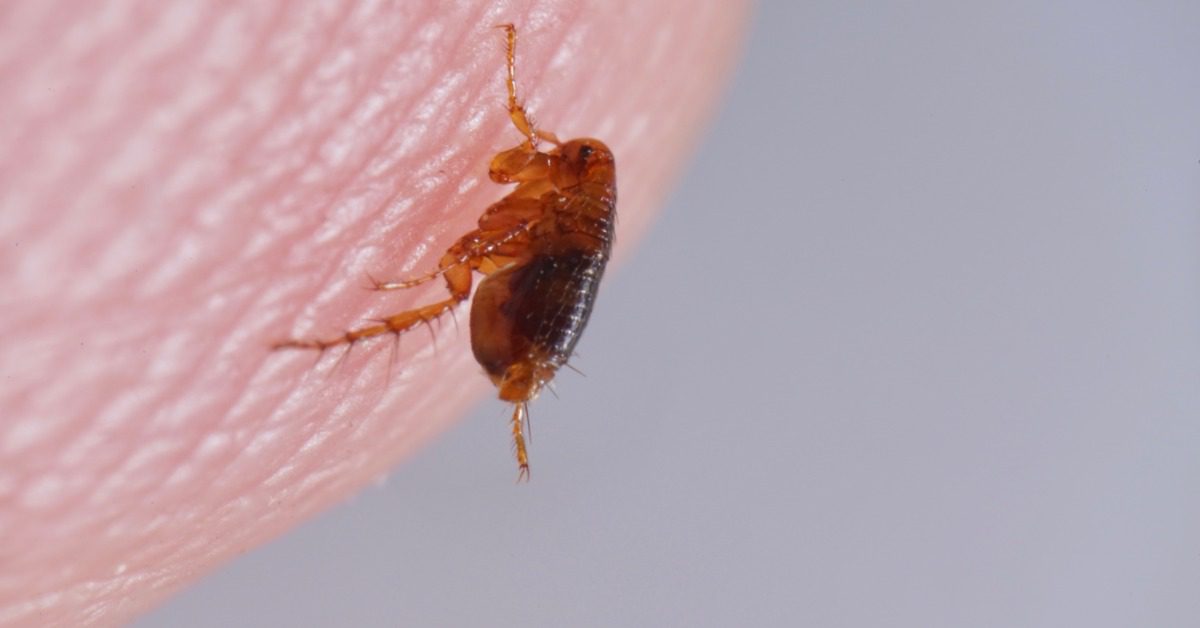
Another long-term risk of ignoring squirrel infestations is the introduction of parasites into your home, such as fleas, ticks, and mites on their bodies. When they enter your home, these pests can detach and spread into carpets, furniture, and other areas. This situation creates a second layer of infestation that affects your living space.
As parasites establish themselves indoors, they reproduce and become more difficult to eliminate. Homeowners may begin to notice bites, itching, or signs of pests in areas far from the attic. These issues can persist even after squirrels leave if the parasites remain untreated.
In addition, squirrel nests and waste can attract other pests, including insects and additional rodents. This chain reaction increases the problem’s complexity and requires more extensive treatment. Early action helps prevent these secondary infestations from taking hold.
Increased Stress for Residents
Squirrels are active during the day, so homeowners often hear them moving through attics and walls. Scratching, running, and gnawing sounds can become a constant presence in your home. These noises can interrupt daily activities and make it difficult to relax.
As the infestation grows, the frequency and intensity of the noise often increase. Homeowners may struggle to focus, rest, or enjoy quiet time. This ongoing disturbance can affect overall comfort and create a stressful living environment.
Over time, the lack of peace and quiet can take a toll on your well-being. Many homeowners feel frustrated or anxious when they cannot escape the noise. Addressing the problem restores a sense of normalcy and improves your quality of life.
Lower Property Values
A history of pest infestations can affect how others view your home. Buyers often look for signs of structural damage or previous rodent activity during inspections. These concerns can influence their decision to move forward with a purchase.
Even after repairs, lingering odors or visible damage can raise red flags. Potential buyers may request additional inspections or negotiate for lower prices. This situation can delay the selling process and reduce your return on investment.
Maintaining your home in good condition helps preserve its value over time. Addressing squirrel infestations promptly prevents long-term damage and protects your property’s appeal.
Legacy Rodent Control Can Help You Avoid These Impacts
Now you know how ignoring a squirrel infestation allows small problems to grow into serious risks that affect your home, health, and finances. From structural damage to fire hazards and poor air quality, the long-term consequences can quickly become overwhelming. Homeowners who act early can prevent costly repairs and protect their living environment.
If you notice signs of squirrel activity, contact Legacy Rodent Control today. We offer professional squirrel removal services in McKinney to make your home feel comfortable again.
