
Why Rodents Return After Incomplete Removal
Rodents can turn a quiet home into a frustrating place, especially when they come back after you thought you had solved the problem. Many homeowners try traps and then feel confused when rats or mice show up again a few days or weeks later.
There may be several factors that you are overlooking that allow them to come back as uninvited guests. Read on to find out why rodents return after an incomplete removal.
Entry Points Remain Open
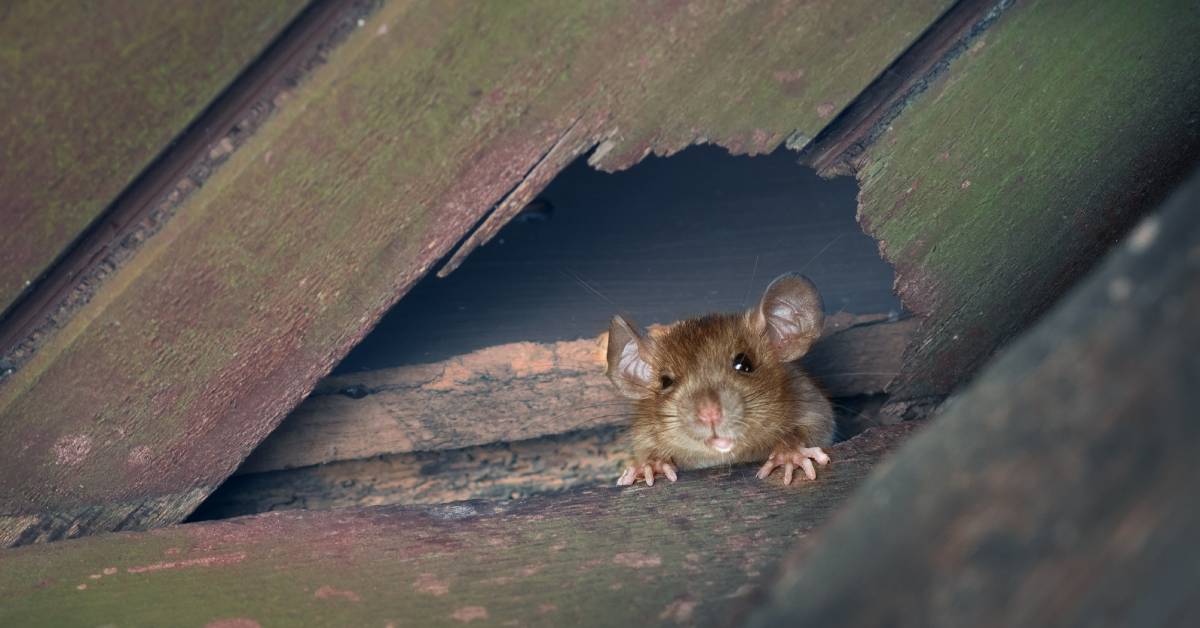
Rodents may return to your home if you leave gaps and cracks open. Rats and mice can squeeze through surprisingly small spaces, so a home may still give them access even after someone seals the most visible hole. A homeowner may close one opening near the garage, yet miss a gap near the roof or crawl space.
To completely exclude them, you must conduct a careful inspection of your home from top to bottom. Homeowners should think beyond obvious damage and consider how pipes and construction gaps connect the outside to hidden interior areas. When even one opening remains, rodents can start invading your home once again.
Their Nesting Materials Remain in Your Home
When you remove rodents from your home, it’s also important to get rid of their nesting materials, which can remain tucked inside areas such as attics. Leftover nesting material can attract more rodents because it signals that the area once supported survival.
A new rat or mouse does not need to build from scratch when soft bedding and cover already exist. That makes the space more appealing, especially during cold or stressful outdoor conditions. If you forget to remove the nesting materials, your house will keep sending signals that it’s safe for rodents to live there.
Food Sources Continue To Attract Them
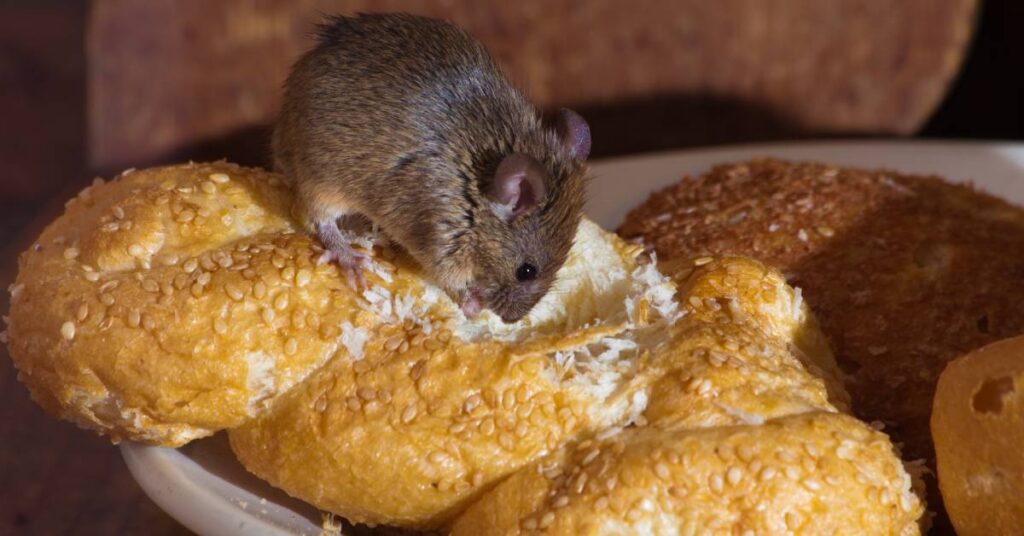
Rodents may also return if they can still find food in or around the home. They may feed on pet food, birdseed, pantry goods, crumbs, unsecured trash, fallen fruit, compost, or food residue near outdoor grills. Even a small supply can keep rodents interested, as mice and rats can survive on limited food.
Better food management helps break the cycle. Homeowners should store pantry goods in sealed containers, clean food debris, secure trash lids, remove pet food after feeding, and limit outdoor attractants. When food remains easy to reach, rodents have every reason to return.
Your Home Provides Them With Water Sources
In addition to food, rodents need water. Many homes provide small but dependable water sources, such as leaky outdoor faucets and birdbaths. Even minor moisture near a foundation can make a property more attractive.
When homeowners try to remove rodents, they may focus on noise and droppings, but overlook water sources. However, rodents seek a complete survival setup. When a home offers shelter, food, and water, it may continue to attract them despite traps or temporary repairs.
Fixing moisture issues can reduce rodent pressure. Homeowners should repair leaks, drain standing water, improve ventilation in damp areas, and keep gutters working as intended. A drier property gives rodents fewer reasons to stay nearby.
Scent Trails Guide Rodents Back
Another reason why rodents return after an incomplete removal is that scent trails guide them back. These animals use urine, body oils, droppings, and pheromone trails to navigate and mark territory. When you catch animals during your removal efforts but leave contamination in place, those scent trails can remain active.
The scents can guide them toward travel routes and nesting spots. This creates the impression that rodents “came back,” when new animals may have followed the same invisible map.
Cleaning and decontamination help disrupt that pattern. Homeowners should not treat droppings and urine as dirt, as they can create odors and sanitation issues and encourage rodents to return. When scent trails remain, rodents can use the home’s history against the homeowner.
Your Outdoors Still Support Rodent Activity
A home may also attract rodents again when its surrounding property gives them cover. Thick shrubs, stacked firewood, clutter, leaf piles, unused equipment, and dense ground cover can create hiding spots near the structure. Rodents feel safer when they can move from cover to cover before entering a home.
Homeowners can reduce this risk by trimming vegetation away from the structure. This limits debris and creates space between hiding areas and the home. Yard maintenance will not replace exclusion, but it can make the property less comfortable for rodents. When the outside still supports them, indoor problems can return.
Traps Do Not Solve The Problem
When you invest in rodent traps, they can help you gain more control over an active rodent issue, but they do not eliminate the reason why rodents entered the house. A trap may catch one rat in the attic while another finds the same entry point the next night. This creates a cycle where activity slows, then starts again.
Homeowners may feel encouraged when they catch rodents, only to feel frustrated when the sounds of these animals return. The problem stems from treating symptoms rather than the source. Without exclusion and cleanup, traps only address part of the issue.
Rodents also learn from their surroundings. Some may avoid certain trap placements or shift activity to hidden spaces. A removal plan needs to combine trapping with inspection, sealing, sanitation, and prevention, or the home remains vulnerable.
You Didn’t Hire Professional Exterminators
One last reason why rodents come back is that homeowners do not hire professional rodent removal experts. Although you can seal visible holes and place a few traps, you may miss the hidden activity inside your walls or attic. Rodents can take advantage of those missed details.
Professional rodent removal matters because trained technicians know where rodents nest and hide. That level of expertise matters for homeowners because rodent problems involve more than the animals you see or hear.
Skipping professional help can allow the problem to grow. Rodents chew wiring, damage insulation, contaminate surfaces, and create stress for families. When homeowners want a lasting result, they need someone who can address the problem as a whole.
Legacy Rodent Control Can Help Solve Your Rodent Problems
Now that you know the many reasons why rodents can come back to your home, make sure you utilize solutions that will allow you to permanently solve the problem. Otherwise, you may find yourself having to cope with more damage to your home and experience even more frustration.
One company that can help you avoid this aggravation is Legacy Rodent Control. Call us today to find out how our rat removal services in Dallas can protect your home from these unwanted guests.
