
The Effects of Squirrel Breeding Seasons on Pest Control
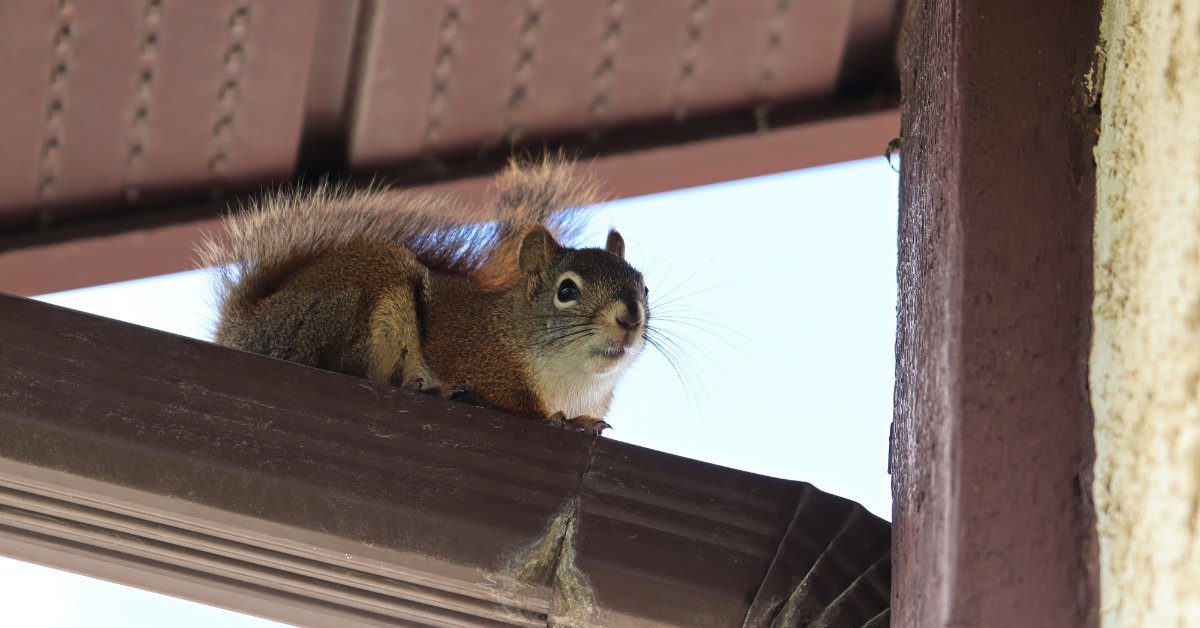
Squirrels play an important role in local ecosystems, but they often create major problems when they move into homes. Many homeowners notice increased squirrel activity during certain times of the year without realizing that breeding seasons drive much of that behavior. Understanding when squirrels search for nesting sites, raise young, and expand their territory helps homeowners recognize warning signs before small problems become expensive repairs.
Squirrel breeding seasons influence every stage of the pest control process, from inspections to exclusion work. Timing affects how professionals approach removal, when repairs should happen, and how homeowners can reduce the chances of future infestations. Learning about these seasonal patterns makes it easier to protect your property while ensuring effective, long-lasting results. Legacy Rodent Control focuses on keeping rodents and nuisance wildlife from returning by combining professional removal with durable exclusion methods that seal entry points for years to come.
When Do Squirrels Breed?
Most tree squirrels experience two breeding seasons each year. The first usually occurs in late winter, while the second often begins during late summer. Although exact timing depends on weather and local conditions, these two periods create predictable increases in squirrel activity.
After mating, female squirrels begin searching for secure nesting areas where they can safely raise their young. Natural nests in trees work well, but attics, crawl spaces, soffits, and wall cavities offer even greater protection from predators and harsh weather. Homes provide warmth, shelter, and quiet places that make them especially attractive.
Why Homes Become More Attractive During Breeding Seasons
A squirrel looking for a nesting location evaluates safety before anything else. Homes often meet every requirement.
Warm attic spaces protect young squirrels from temperature swings. Rooflines provide elevated access that squirrels naturally prefer. Nearby trees make travel between the yard and the roof easy. Small openings around vents, roof intersections, chimneys, and utility penetrations create convenient entry points.
Once a female establishes a nest, she spends significant time caring for her young instead of searching for food over long distances. That behavior increases the chances that homeowners hear scratching, running, or chewing sounds above the ceiling.
How Breeding Seasons Increase Property Damage
Squirrels rarely enter homes without leaving evidence behind. During breeding seasons, their activity often intensifies because they spend more time inside nesting areas.
Common forms of damage include:
- Chewed wood around entry points
- Damaged insulation
- Gnawed electrical wiring
- Torn ductwork
- Contaminated attic spaces from nesting materials and waste
Young squirrels also grow quickly and begin exploring their surroundings before leaving the nest. Their movement increases noise levels and creates additional opportunities for damage throughout the attic.
Ignoring these warning signs allows the problem to expand, making repairs more extensive and costly.
What Signs Should Homeowners Watch For?
Many infestations begin with subtle clues that homeowners dismiss as normal house noises. Recognizing those early indicators helps prevent larger issues.
Listen for scratching or scampering sounds shortly after sunrise or before sunset. Watch for squirrels repeatedly climbing onto the roof or disappearing beneath eaves. Inspect your home’s exterior for fresh chew marks or damaged vent covers.
Inside the home, unexplained odors, insulation falling through attic access points, or visible nesting materials may indicate squirrel activity.
Early detection gives pest control professionals more options for removing squirrels safely while minimizing disruption.
Why Timing Matters During Removal
Squirrel breeding seasons create unique challenges for wildlife removal. Removing an adult squirrel without identifying dependent young can leave babies trapped inside the structure.
Professional inspections focus on locating nesting areas before beginning exclusion work. This careful approach helps ensure complete removal while preventing additional problems inside the home.
Timing also affects repairs. Closing entry points too early may trap animals indoors. Waiting too long allows squirrels to continue expanding their nests and causing additional damage.
Professional wildlife control balances humane removal practices with permanent exclusion methods that prevent future access.
How Professionals Prevent Future Infestations
Successful squirrel removal involves much more than encouraging animals to leave.
After confirming that squirrels no longer occupy the home, technicians inspect every potential access point. They seal vulnerable openings with durable materials designed to withstand weather and continued wildlife pressure. Legacy Rodent Control emphasizes high-quality exclusion work that prevents animals from re-entering while using materials built to last for decades.
Professionals also evaluate surrounding conditions that increase risk. Overhanging tree branches, damaged roof components, loose vents, and deteriorated soffits often require attention to reduce future entry opportunities.
Why DIY Solutions Often Fall Short
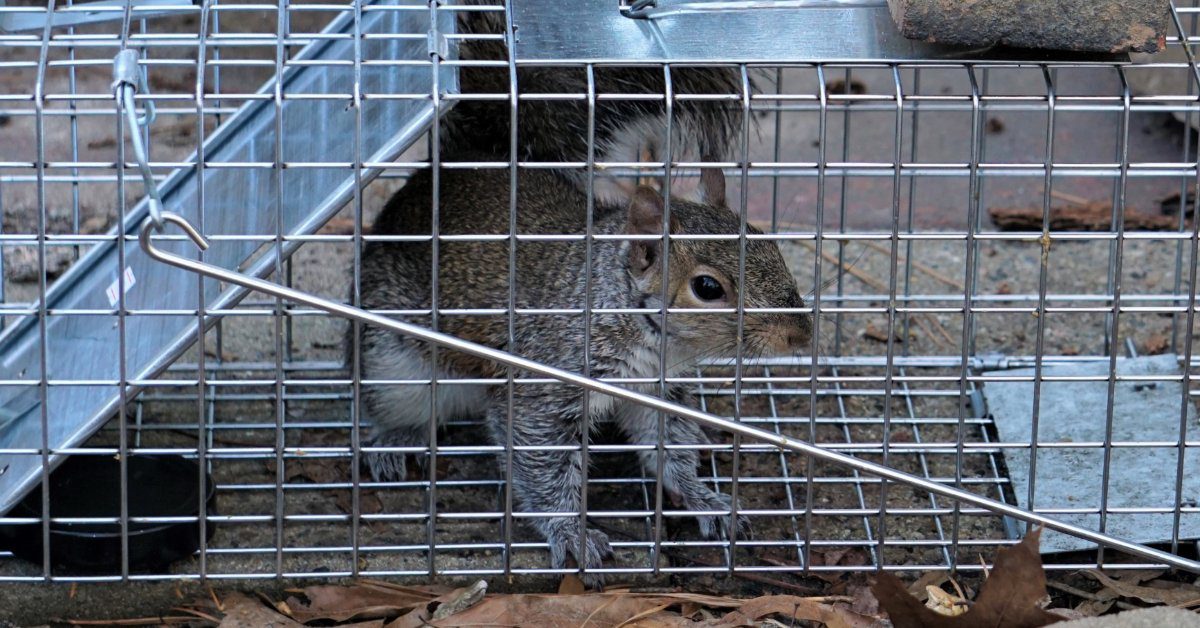
Many homeowners attempt to solve squirrel problems with traps, repellents, or loud noises. While these methods sometimes produce temporary results, they rarely address the underlying cause of the infestation.
If entry points remain open, another squirrel can quickly move into the same location during the next breeding season.
Store-bought repellents also lose effectiveness over time. Weather conditions, odors, and changing squirrel behavior reduce their impact, especially when a protected nesting site remains available.
Professional removal addresses both the animals and the conditions that attracted them in the first place.
Seasonal Prevention Tips for Homeowners
Routine home maintenance plays an important role in preventing squirrel problems before breeding seasons begin.
Schedule regular roof inspections to identify damaged shingles, loose flashing, and deteriorating vents. Trim tree branches that provide easy roof access. Replace damaged screens over attic vents and repair openings around utility lines.
Inspect your attic periodically for signs of activity, especially before late winter and late summer. Catching problems early often reduces repair costs and simplifies the removal process.
Consistent maintenance also protects your home’s structural integrity throughout the year.
How Attic Contamination Affects Your Home
Squirrels leave behind more than visible damage. Nesting materials, droppings, and urine accumulate inside attics over time.
These contaminants create unpleasant odors and reduce insulation effectiveness. Organic waste may also attract insects or contribute to unhealthy indoor conditions if left untreated.
After completing removal, many homeowners benefit from professional attic decontamination. Cleaning affected areas restores a healthier environment while preparing the attic for insulation repairs if necessary.
Legacy Rodent Control includes attic decontamination among its primary services because complete pest control extends beyond simply removing animals.
Does Weather Influence Breeding Activity?
Weather affects squirrel behavior throughout the year. Mild winters sometimes encourage earlier breeding activity, while severe weather may delay nesting.
Heavy rain, high winds, or prolonged heat also encourage squirrels to seek better shelter. Homes provide stable conditions that natural nests cannot always match.
Although homeowners cannot control seasonal weather, they can prepare their homes before increased activity begins. Preventive maintenance remains one of the most effective ways to reduce infestation risks regardless of annual weather patterns.
Why Local Experience Makes a Difference
Wildlife behavior varies by region, making local knowledge valuable during inspections and removal projects.
Technicians familiar with North Texas understand seasonal squirrel activity, common entry points, and the construction styles that squirrels frequently exploit. That experience helps identify vulnerabilities before they become major infestations.
When homeowners need squirrel control in Dallas, working with professionals who understand local wildlife patterns can improve both removal success and long-term prevention.
Protect Your Home Before the Next Breeding Season
Squirrel breeding seasons create predictable periods of increased activity, but homeowners do not have to wait until noises appear in the attic before taking action. Regular inspections, prompt repairs, and professional exclusion work reduce the likelihood of squirrels establishing nests inside your home.
Understanding how breeding cycles influence squirrel behavior helps homeowners recognize early warning signs, schedule preventive maintenance, and make informed decisions about pest control. Addressing problems quickly protects your home from structural damage, contaminated insulation, and costly repairs while helping make sure squirrels stay where they belong.
