Qualities of a Reliable Raccoon Removal Company
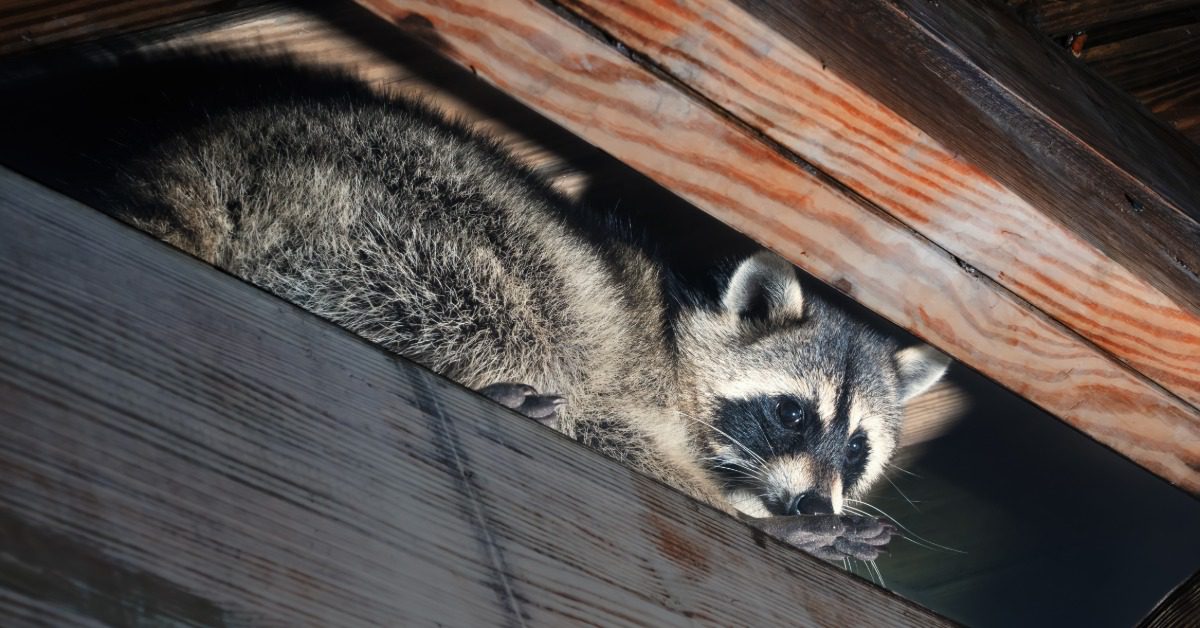
Raccoons can cause significant problems when they move into an attic, crawl space, chimney, or another part of a home. They can damage insulation, contaminate surfaces, create unpleasant odors, and make plenty of noise. More importantly, removing the raccoon alone may not solve the underlying problem. If an entry point remains open, wildlife can move into the same space again.
Choosing the right company therefore requires more than finding someone who can get an animal out of the house. Homeowners should look for a provider that understands wildlife behavior, identifies the source of the intrusion, protects the property during removal, and helps prevent future problems. Several important qualities can help you identify a reliable raccoon removal company.
Experience With Raccoon Behavior
A dependable wildlife control company should understand how raccoons behave around residential properties. Raccoons often seek sheltered areas that provide protection from weather and predators. Attics, soffits, roof intersections, chimneys, and crawl spaces can offer attractive shelter when an animal finds a way inside.
Knowledge of raccoon behavior helps a technician determine where to inspect and how to approach removal. It also matters when young raccoons may occupy a den with their mother. A company should evaluate each situation carefully rather than applying the same removal method to every property.
A Thorough Property Inspection
Reliable raccoon removal starts with a detailed inspection. A technician should look beyond the area where the homeowner heard noises or noticed damage. Raccoons can travel across roofs and enter through openings that homeowners cannot easily see from the ground.
The inspection should identify active entry points, possible secondary openings, signs of animal activity, and property damage. Technicians may also look for droppings, disturbed insulation, tracks, damaged vents, or openings around rooflines.
A thorough inspection gives the company the information it needs to create an appropriate removal and exclusion plan.
A Clear Explanation of the Removal Process
Homeowners should understand what a company plans to do before work begins. A reliable provider explains the recommended removal process in straightforward terms and gives the homeowner an opportunity to ask questions.
The exact approach can vary according to the location, structure, and animals involved. The company should explain why it recommends a particular method, what technicians will do after removal, and how they will address entry points.
Clear communication helps homeowners know what to expect throughout the project.
Humane and Appropriate Removal Methods
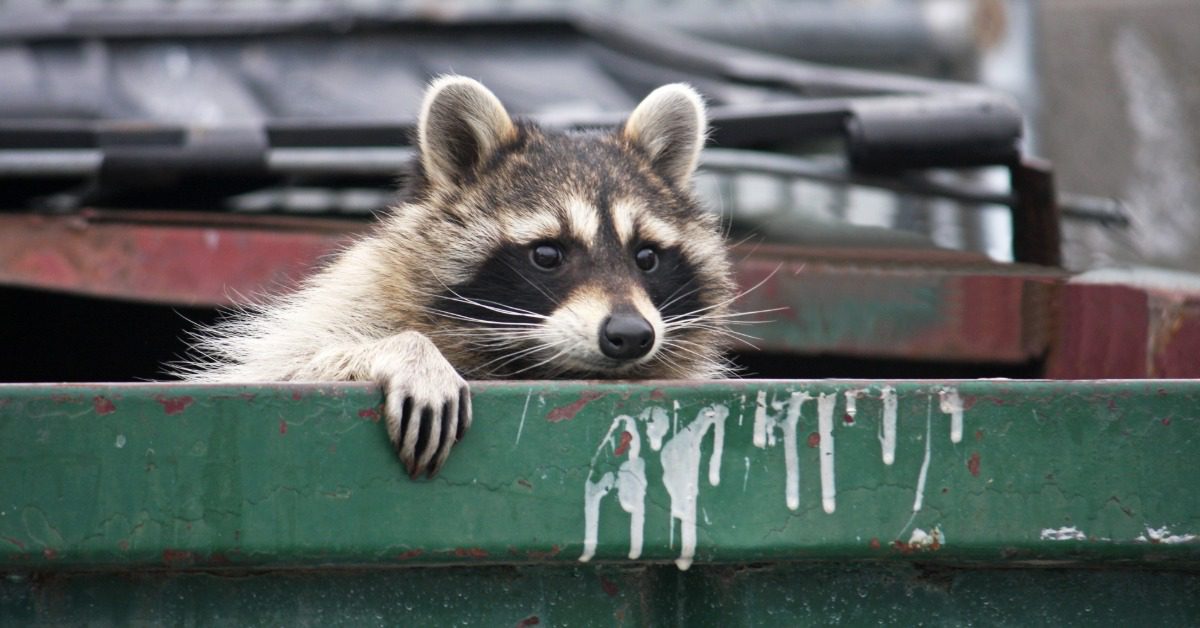
A professional wildlife company should use removal methods that fit the situation and account for animal welfare as well as effective control. Raccoon problems can become more complicated when a mother has young in an attic or another sheltered location.
Homeowners should ask how the company handles different raccoon situations and whether technicians check for dependent young before completing exclusion work. The provider should understand the consequences of sealing an opening at the wrong time or without confirming that animals have left.
Knowledge of Local Wildlife Concerns
Wildlife activity can vary according to region, season, weather, and neighborhood conditions. A company that regularly handles local raccoon problems should understand common entry points and building features that create vulnerabilities.
For homeowners in the Dallas-Fort Worth area, local experience can help technicians recognize patterns associated with regional homes and weather. Familiarity with local conditions can also help a company recommend materials and repairs that hold up to exterior exposure.
Strong Exclusion Skills
Removal addresses the immediate animal problem, but exclusion addresses how the raccoon entered. A dependable company should place substantial emphasis on both.
Raccoons can exploit weak areas along a structure and may enlarge vulnerable openings. After technicians identify entry points, they should recommend practical ways to close them and strengthen susceptible areas.
When comparing companies, homeowners can ask whether the service includes:
- Identifying active and potential entry points
- Sealing or reinforcing vulnerable openings
- Checking completed exclusion work for gaps
- Explaining which repairs need attention
- Using durable materials appropriate for exterior exposure
Good exclusion work can reduce the chance that the same type of problem returns after removal.
Attention to Property Protection
Wildlife removal should solve a problem without creating unnecessary damage elsewhere. Experienced technicians should understand how to work around roofing, soffits, vents, siding, attic components, and other building materials.
A reliable company should explain any modifications required during removal and how technicians will restore or secure affected areas afterward. Homeowners should also expect technicians to consider how their work could affect ventilation, drainage, or other important home systems.
Property protection shows that the company considers the condition of the entire home, not just the animal inside it.
Contamination and Cleanup Knowledge
Raccoons can leave droppings, urine, nesting debris, and damaged insulation behind. Removing the animals does not automatically remove those contaminants.
A qualified company should inspect affected areas and explain whether cleanup or decontamination makes sense. The scope of cleanup depends on the extent and location of the activity. Some situations may require removing contaminated material, while others may benefit from professional treatment of affected spaces.
Homeowners should ask how the company handles sanitation and whether cleanup forms part of the proposed service.
Transparent Pricing and Written Details
Wildlife removal costs can vary because every property presents different conditions. The location of the entry point, extent of damage, cleanup needs, and exclusion work can all affect the final scope.
A trustworthy company should explain what its estimate covers. Homeowners should know whether the quoted price includes inspection, removal, repairs, exclusion, cleanup, follow-up visits, or warranties.
Written details make it easier to compare services fairly. A low initial price may not represent better value if it excludes the work required to prevent another intrusion.
Realistic Expectations
Be cautious when a company makes sweeping promises without inspecting the property. Wildlife problems rarely follow an identical pattern from one house to another.
A reliable provider should set realistic expectations about timing, removal, repairs, and follow-up. The technician should also explain factors that could change the plan after work begins.
If you search for a raccoon exterminator, look beyond the label and determine whether the company offers complete wildlife inspection, removal, exclusion, and property protection. Those services address more than the animal you can currently hear or see.
Responsive Customer Communication
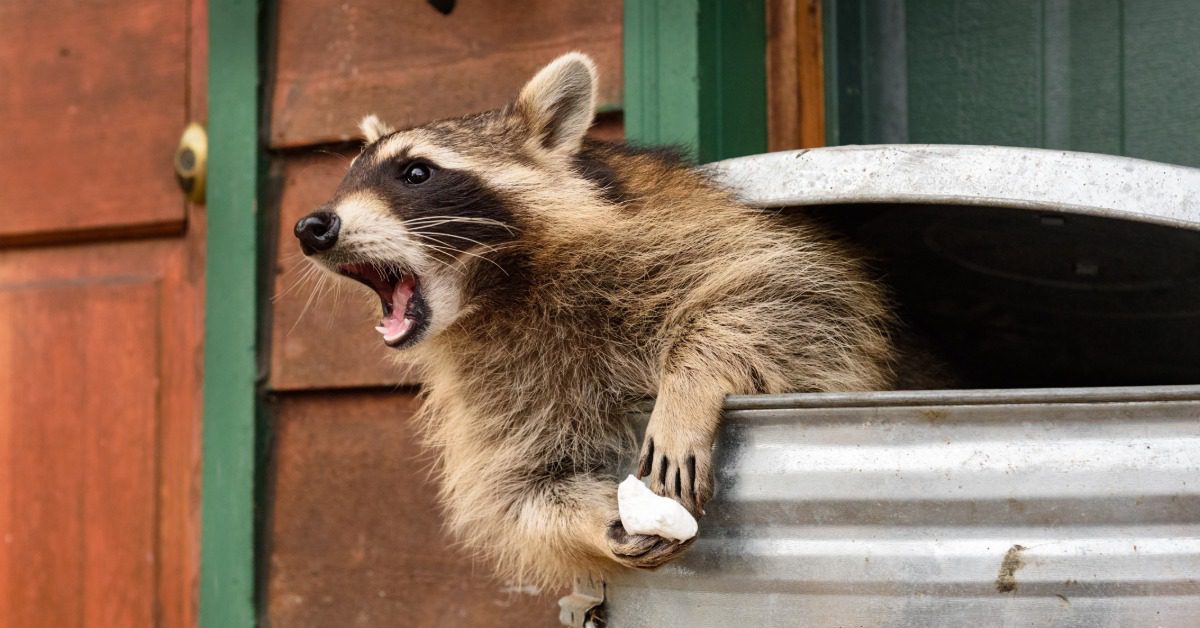
Raccoon activity inside a home can create understandable concern, especially when homeowners hear movement at night or discover attic damage. Good communication makes the process easier to manage.
A professional company should respond to questions, explain scheduling, provide necessary updates, and tell homeowners what they should or should not do before technicians arrive. Staff should also avoid unnecessary technical language when a simple explanation works better.
Strong communication often reflects an organized approach to the entire service.
A Focus on Long-Term Prevention
The strongest raccoon removal companies do not treat removal as the final step. They look for the conditions that allowed the intrusion and help homeowners reduce future risk.
That may include sealing openings, reinforcing vulnerable areas, repairing damage, or pointing out property conditions that attract wildlife. Homeowners may also need to secure garbage, avoid leaving pet food outdoors, and monitor roof or exterior damage.
Long-term prevention turns wildlife removal from a temporary response into a more complete solution.
Choosing a Company That Protects Your Home
A reliable raccoon removal company combines wildlife knowledge with careful inspection, effective removal, durable exclusion, clear communication, and responsible cleanup. Homeowners should feel comfortable asking questions about each part of the process before approving the work.
The goal should extend beyond getting a raccoon out of the house. A complete approach identifies how the animal entered, addresses damage or contamination, closes vulnerable openings, and helps protect the home against another intrusion. Taking time to evaluate these qualities can help homeowners choose a company prepared to handle both the immediate problem and the conditions that caused it.
