
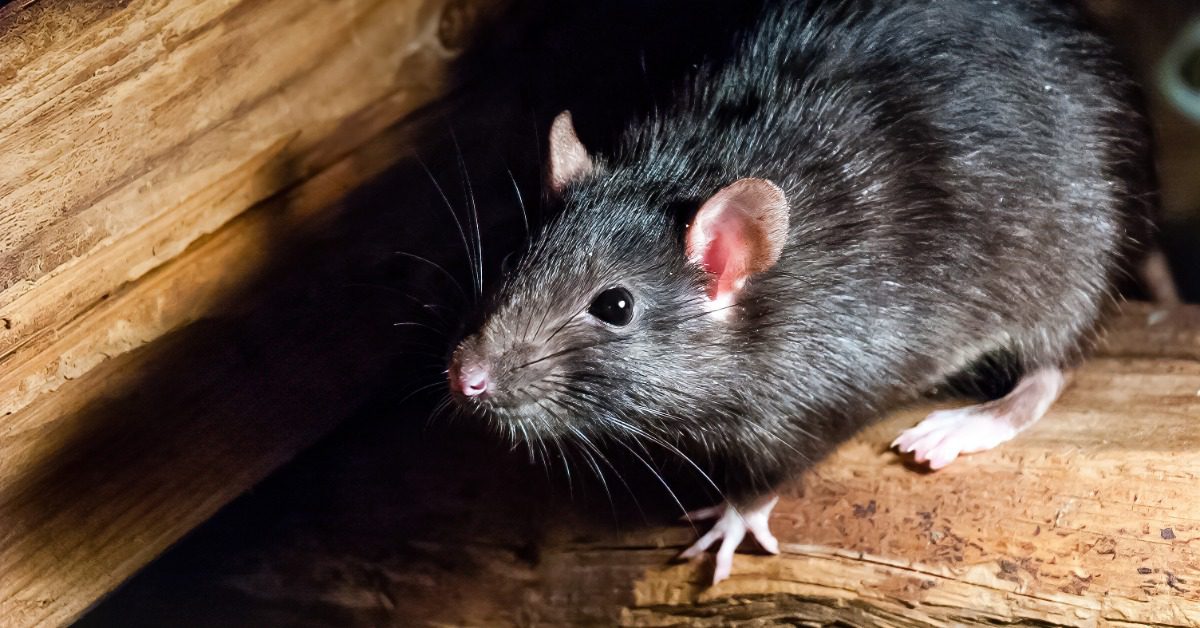
How Rodents Compromise Electrical and HVAC Systems
When rodents enter homes through narrow gaps, they can settle inside where wiring, ductwork, and climate equipment are present. It is there that they can harm components that homeowners depend on for comfort and their daily routines.
Even a small infestation can create costly problems when mice or rats reach them. Read on to learn how rodents compromise electrical and HVAC systems so you do not underestimate the damage they can do to your home.
Damaged Electrical Wiring and HVAC Controls
One way that rodents can do damage to your electrical and HVAC systems is by chewing through wiring. They tend to gnaw on these cables because their front teeth continue growing throughout their lives, and the protective coating around the wires gives them a firm surface for chewing.
When mice or rats strip insulation from wires, they can interrupt power to lights, outlets, and HVAC equipment located throughout the home. Homeowners may notice signs like flickering lights or heating and cooling equipment that starts and stops without warning.
Exposed conductors can also produce sparks or heat when they touch each other, nearby metal, insulation, wood framing, or nesting debris hidden inside walls and attics. Because rodents may carry paper and other materials close to damaged cables, they can create conditions that increase the risk of an electrical fire. A qualified professional should inspect unexplained electrical or HVAC failures because the visible problem may represent only one part of a larger infestation.
Reduced Indoor Air Quality
Rodents can also contaminate ductwork and HVAC equipment with droppings, urine, hair, nesting material, and unpleasant odors. When they enter or damage air ducts, the system can circulate particles and smells from contaminated areas into your living spaces. Household members may notice stale odors, increased dust, or air that feels less comfortable even after you have replaced filters.
Nesting material can also collect moisture and debris near vents, air handlers, and return pathways, creating unsanitary conditions in places that influence the air moving through the home. Replacing a filter alone will not correct contamination that remains inside ducts or concealed nesting areas where rodents continue to travel. Homeowners need to hire professionals to remove the animals, clean affected materials, repair damaged ventilation components, and seal access points that allow new rodents to enter.
Shredded HVAC Insulation
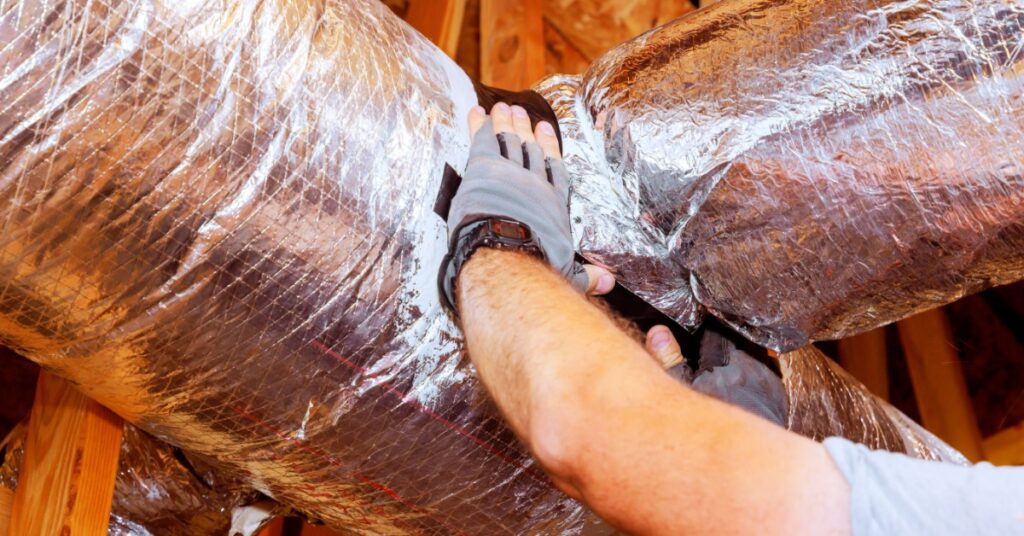
HVAC systems depend on insulation around ducts, refrigerant lines, air handlers, and nearby surfaces to limit unwanted heat transfer and reduce wasted heating or cooling energy. Rodents may shred this insulation for nesting material or create tunnels through it as they move between shelter and food sources. Missing or compressed insulation makes it harder for the system to deliver conditioned air efficiently.
Damage around refrigerant lines can also allow condensation to form where insulation no longer protects the cold surface. Moisture may drip onto framing, ceilings, stored belongings, or electrical components located below the line and near the air handler. Over time, this added moisture can contribute to expensive repairs.
Leaks in Ductwork
When rodents get into your home, they can chew through flexible ducts, pull apart loose connections, and widen small openings. These gaps allow heated or cooled air to escape before it reaches the rooms that depend on it. Signs of leaking ductwork can include whistling sounds, visible tears, loose sections, excess dust near vents, and rooms that remain uncomfortable despite repeated adjustments.
Homeowners can reduce the risk by repairing damaged ducts, sealing joints with approved materials, and keeping attic or crawl-space access points closed against rodents. Addressing the infestation remains essential because new animals can reopen repaired areas and create additional leaks.
Blocked Airflow
Another way rodents compromise HVAC systems is by blocking airflow. When mice and rats gather materials such as paper and fabric to build nests in sheltered locations, they may place them near return vents or duct openings that provide warmth and protection. Nesting material can restrict airflow and force HVAC equipment to operate under greater strain.
Reduced airflow can create uneven temperatures and longer heating or cooling cycles throughout the house. It can also contribute to frozen evaporator coils, overheated components, or premature wear when the system cannot move enough air through the supply and return pathways. Removing the blockage may solve part of the problem, but ultimately, homeowners still need to address the infestation that created it.
Damaged Blower Motors and Moving Parts
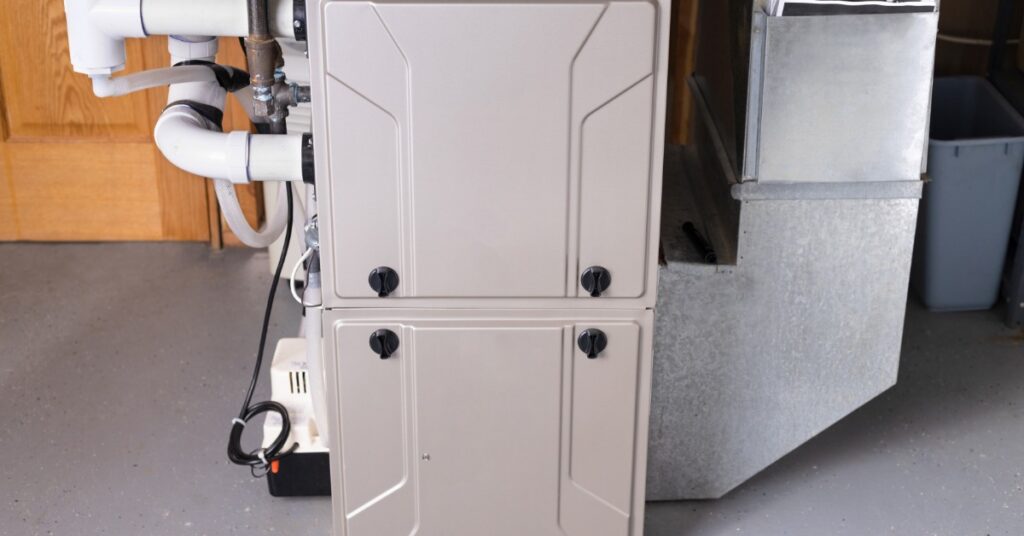
Rodents sometimes enter furnaces, air handlers, outdoor units, or other mechanical spaces through damaged panels and small access gaps. Nesting debris can reach moving parts that require unobstructed operation during every heating or cooling cycle. A foreign object inside the equipment can create grinding noises, vibration, imbalance, or sudden shutdowns.
These animals may also chew through wiring connected to portions of the unit. The system may struggle to start, stop during a cycle, or draw more electricity as damaged parts work under stress. Continued operation can turn a repairable issue into a major component failure that requires costly replacement and a longer interruption of service.
Reduced Efficiency and Increased Energy Costs
Electrical and HVAC damage can force household systems to consume more energy while delivering less comfort and less consistent temperatures throughout the home. For example, malfunctioning controls can make heating and cooling equipment run for extended periods. Homeowners may see higher utility bills even though their thermostat habits and daily routines have not changed from one billing period to the next.
Rodent damage can also create temperature differences between rooms because conditioned air escapes or fails to circulate as intended. Family members may compensate by adjusting the thermostat, using portable heaters, or running fans for longer periods. Those responses can increase energy use while the underlying damage continues behind walls, ceilings, or equipment panels where homeowners cannot see it.
Legacy Rodent Control Helps Protect Electrical and HVAC Systems
Electrical and HVAC systems work best when wiring, ducts, insulation, controls, and mechanical parts remain protected from destructive animal activity. If you notice any of the symptoms listed above, they deserve immediate attention because they may point to hidden rodent damage.
If you suspect these pests have entered your home and have done damage to your systems, contact Legacy Rodent Control today. Our rat exterminators can remove the infestation and help you better protect vulnerable areas of your home.
