Residential vs. Commercial Pest Control: Key Differences
Pest problems can affect almost any property, but they do not look the same in every setting. A mouse in a family home creates different concerns than rodents inside a restaurant, warehouse, office, or retail store. Property size, pest pressure, sanitation practices, building use, and local regulations can all influence how professionals approach the problem.
Residential and commercial pest control share the same basic goal: remove unwanted pests and prevent them from returning. However, professionals often need different strategies to accomplish that goal. Understanding those differences can help homeowners and business owners know what to expect when they need professional pest control services.
What Is Residential Pest Control?
Residential pest control focuses on houses and other living spaces. Pest professionals commonly address rodents, insects, nuisance wildlife, and other unwanted animals that enter homes looking for food, water, warmth, or shelter.
A residential service usually starts with an inspection. The technician looks for signs of activity, identifies potential entry points, and determines what conditions might attract pests. From there, the technician can create a plan that addresses the current problem and reduces the chance of another infestation.
Homes often require special attention to attics, garages, kitchens, crawl spaces, rooflines, vents, and exterior gaps.
What Is Commercial Pest Control?
Commercial pest control addresses pest activity inside properties that businesses and organizations use. These properties can include restaurants, offices, warehouses, stores, manufacturing facilities, apartment common areas, and other commercial buildings.
Commercial properties often have larger footprints and more complicated layouts than houses. They may also contain loading areas, storage rooms, multiple kitchens, utility spaces, dumpsters, and frequent delivery traffic.
Because of those factors, commercial pest control often requires a broader inspection and a more structured prevention strategy.
How Does Property Size Affect Pest Control?
Size creates one of the most noticeable differences between residential and commercial pest control.
A technician can often inspect a typical house by following a relatively straightforward path through the interior, attic, garage, and exterior. A large commercial facility may contain dozens of rooms, multiple floors, extensive storage areas, and several exterior access points.
Larger properties create more places for pests to hide and enter. Pest professionals may need to divide a commercial building into separate zones so they can inspect each area carefully and track activity effectively.
Do Residential and Commercial Properties Attract Different Pests?
Many of the same pests can enter both homes and businesses. However, property use influences which pests create the greatest problems.
A house provides rodents and insects with food, water, nesting materials, and comfortable temperatures. Commercial properties can provide those same resources on a much larger scale.
For example, restaurants and food-related businesses may generate more food waste. Warehouses may provide undisturbed hiding areas. Offices can offer pests access to break rooms, storage spaces, ceiling voids, and utility areas.
The environment often matters more than the building label itself.
Why Do Commercial Properties Face More Entry-Point Challenges?
Commercial buildings frequently have more openings that pests can exploit. Loading docks, utility penetrations, delivery entrances, rooftop equipment, floor drains, doors, and structural gaps can create opportunities for unwanted visitors.
Constant activity can make prevention more challenging. Employees, customers, vendors, and delivery drivers may open exterior doors throughout the day.
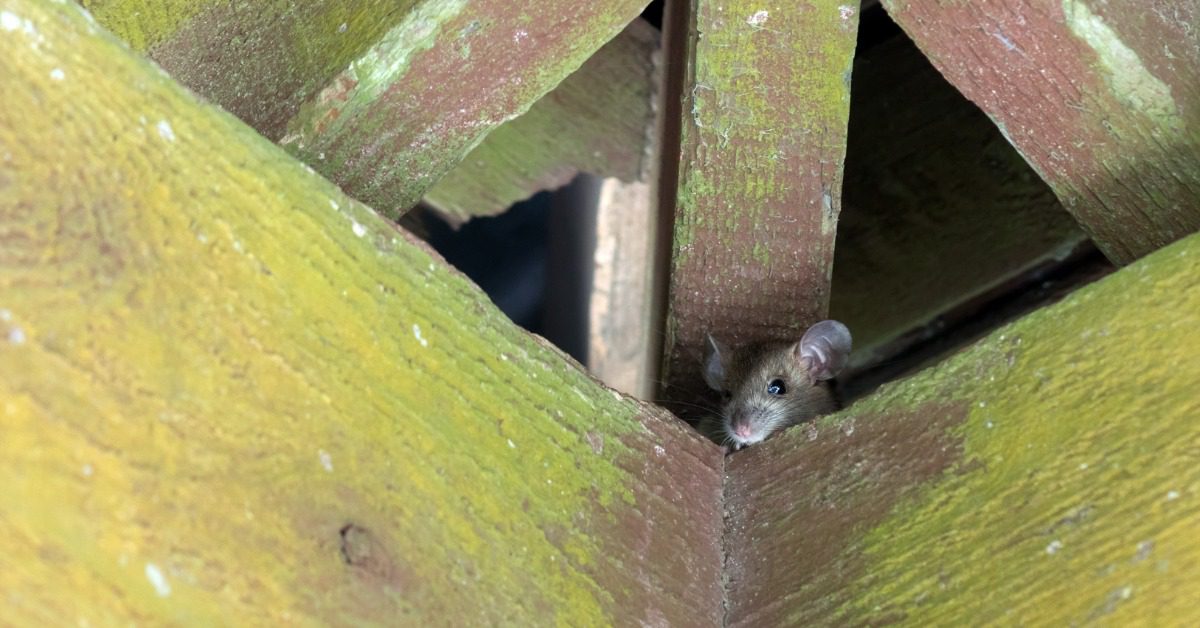
Homes generally experience less traffic, but even small openings can create problems. Rodents can take advantage of surprisingly small gaps around pipes, rooflines, vents, siding, and foundations. Finding and sealing those vulnerabilities plays an important role in long-term control.
How Do Inspection Procedures Differ?
Residential inspections usually focus heavily on areas where homeowners notice noises, droppings, odors, damage, or other warning signs. Technicians then expand the inspection to identify entry points and additional activity.
Commercial inspections may require a more systematic approach because the building contains more potential problem areas.
Professionals may examine:
- Food preparation and storage areas
- Loading and receiving zones
- Utility rooms and mechanical spaces
- Waste disposal areas
- Rooflines and exterior walls
- Storage rooms and low-traffic spaces
A thorough inspection helps professionals address the source of the problem instead of focusing only on visible pest activity.
Why Does Exclusion Matter for Both Property Types?
Removing pests solves only part of the problem. If openings remain accessible, new pests can enter after the original animals leave.
Exclusion focuses on closing those access points. Technicians may inspect gaps around pipes, vents, doors, foundations, rooflines, and other structural features.
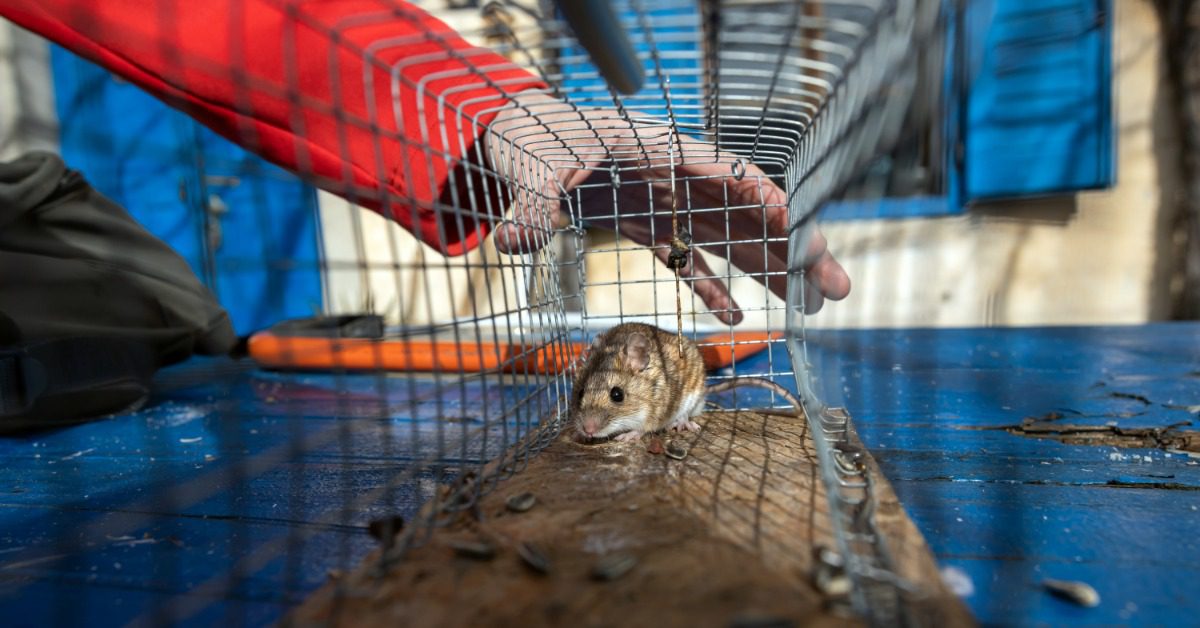
For homeowners, exclusion can provide valuable long-term protection after a rodent or wildlife problem. A professional rodent removal company should consider how the animals entered the structure rather than simply removing what currently lives inside.
Commercial facilities also benefit from exclusion, although their larger size can make the process more extensive.
Do Businesses Need More Frequent Pest Monitoring?
Commercial properties often benefit from more frequent monitoring because their operating conditions can change quickly. Deliveries introduce new materials, employees move products, waste accumulates, and doors open repeatedly throughout the day.
A pest problem can also affect a business beyond the immediate physical damage. Visible pest activity may concern customers, employees, tenants, or inspectors.
Homeowners may not need the same monitoring schedule after professionals remove the pests and secure the structure. However, homeowners should still watch for new droppings, scratching noises, gnaw marks, damaged vents, or other signs of renewed activity.
How Does Pest Control Affect Daily Activities?
Professionals need to consider how treatment and removal work will affect people inside the property.
At home, technicians may need access to attics, kitchens, garages, closets, or exterior areas. Clear communication helps homeowners understand where technicians need to work and what steps the household should take.
Businesses often present more complicated scheduling needs. Pest control work may need to accommodate employees, customers, deliveries, production schedules, or operating hours.
Commercial pest professionals must often coordinate their work carefully so they can address the infestation without creating unnecessary interruptions.
Are Commercial Pest Control Plans More Complex?
Commercial pest control plans can become more complex because businesses have larger facilities, greater traffic, and more operational variables.
Technicians may need to track pest activity across several areas and determine why one section experiences more problems than another. They may also need to consider sanitation routines, inventory storage, waste management, landscaping, and building maintenance.
Residential plans usually involve fewer people and a smaller physical area. However, serious home infestations can still require extensive work, especially when rodents or wildlife have entered an attic or repeatedly gained access through several openings.
How Important Is Documentation for Commercial Pest Control?
Documentation often carries greater importance in commercial environments. Businesses may need records that show inspection dates, areas of concern, pest activity, corrective actions, and ongoing monitoring.
These records can help managers identify patterns. If activity repeatedly occurs near one loading area or storage room, documentation can help reveal the underlying issue.
Homeowners usually need less formal recordkeeping. Still, knowing which entry points professionals repaired and which areas showed activity can help homeowners monitor their property in the future.
What Role Does Prevention Play After Pest Removal?
Prevention matters in both residential and commercial pest control. Simply reacting whenever pests appear can lead to repeated problems.
Effective prevention starts with understanding why pests entered the property. Food access, standing water, clutter, structural openings, damaged vents, and poor waste management can all contribute to pest activity.
Homeowners can reduce risk by maintaining the exterior and watching for new structural gaps. Businesses can combine building maintenance with sanitation procedures, employee awareness, waste management, and routine inspections.
Preventive measures often save time and frustration by addressing conditions before another infestation develops.
Residential and Commercial Pest Control Share One Essential Goal
Residential and commercial pest control differ in scale, scheduling, documentation, monitoring, and building complexity. Homes usually require a more focused approach centered on protecting living spaces and securing structural entry points. Businesses often need broader pest management strategies that account for larger facilities, heavier traffic, operational demands, and sanitation requirements.
Despite those differences, effective pest control follows the same fundamental principle: identify the source of the problem, remove unwanted pests, address affected areas, and reduce opportunities for them to return. A thorough approach gives both homeowners and businesses a stronger foundation for maintaining cleaner, more secure properties over the long term.
