

Why Rat Problems Often Return After Removal
Discovering rats in your home can feel unsettling, especially after you’ve already dealt with an infestation. You might think that removing the rodents will solve the problem permanently, only to notice scratching noises or droppings a few weeks later. Unfortunately, recurring rat infestations happen more often than homeowners expect. Removing the animals addresses the immediate problem, but it doesn’t necessarily eliminate the conditions that attracted them. Understanding why rats return can help you protect your property and avoid repeated infestations. Several common factors explain why these unwanted visitors keep finding their way back into homes.
Removing Rats Doesn’t Eliminate Entry Points
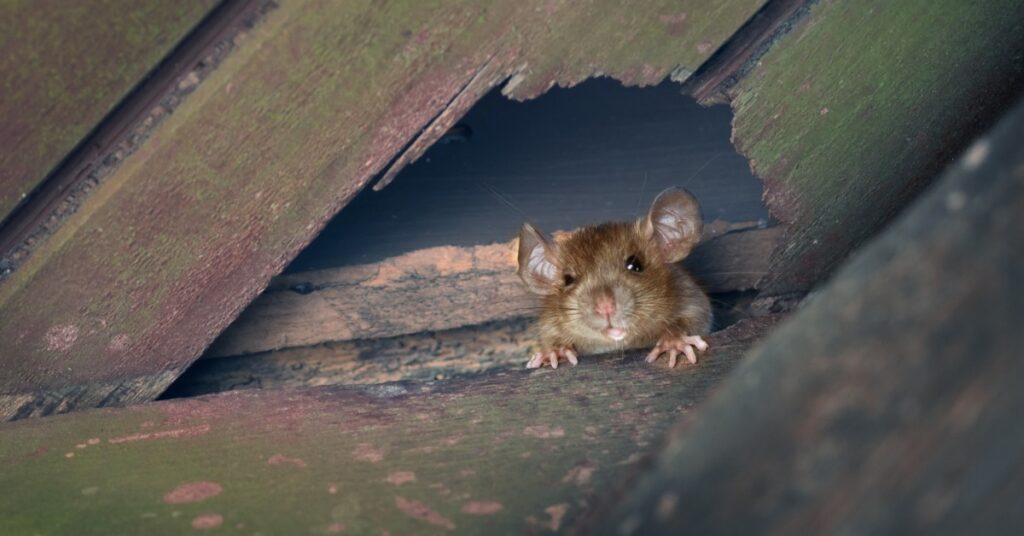
One of the biggest reasons rat problems return involves overlooked entry points. Rats can squeeze through surprisingly small openings, making even minor structural gaps potential access routes.
A rat only needs an opening roughly the size of a quarter to enter your home. Common entry points include gaps around plumbing pipes, damaged roof vents, and openings near exterior utility connections.
If homeowners remove rats without sealing these openings, other rodents can easily enter the property. Even successful trapping efforts won’t provide lasting protection when the building remains accessible.
Professional exclusion work focuses on identifying these vulnerabilities and closing them with durable materials that resist rodent damage.
Rats Can Follow Existing Scent Trails
Rats rely heavily on their sense of smell to navigate their surroundings. As they travel through buildings, they leave behind scent markings that help other rats recognize familiar routes.
These markings can remain after removal, potentially encouraging additional rodents to investigate the same areas.
Rats also tend to follow established travel routes along walls and structural features. Without proper exclusion, these pathways can continue attracting activity.
Cleaning contaminated areas helps address lingering odors, although sanitation alone cannot prevent rodents from entering through existing openings.
Food Sources Continue Attracting Rodents
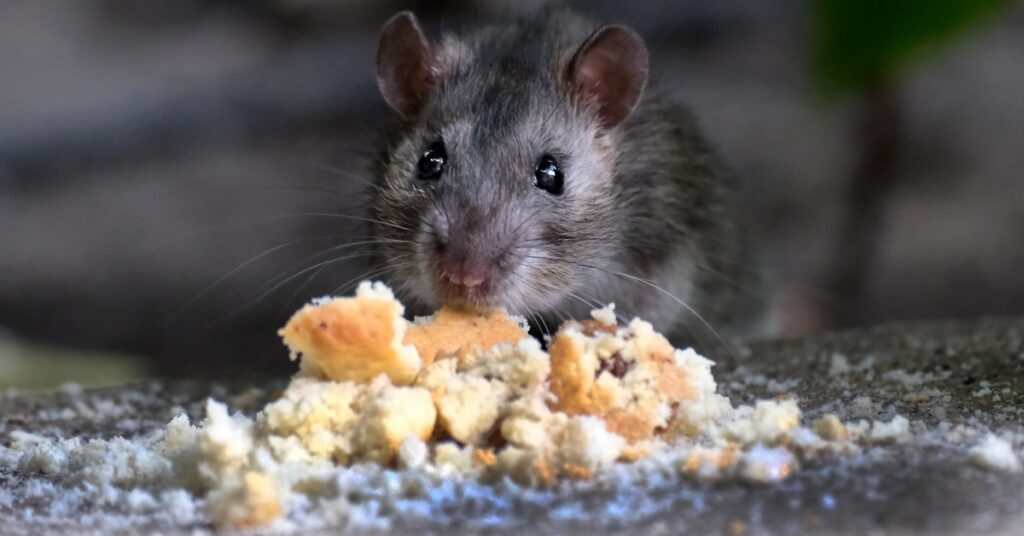
Rats usually enter residential properties because they can find dependable food sources nearby. Removing the current population won’t change that attraction unless homeowners address accessible food.
Even small amounts of food can encourage rodents to investigate a property.
Common attractants include:
- Pet food that homeowners leave outside overnight
- Garbage containers without secure lids
- Birdseed that accumulates beneath feeders
- Pantry products in damaged packaging
- Fallen fruit from backyard trees
Homeowners should regularly inspect these areas and eliminate opportunities for rodents to feed. Keeping food inaccessible makes your property less appealing to future infestations.
Water Sources Make Properties More Attractive
Like other animals, rats need access to water. Properties with consistent moisture sources can support rodent activity even when food supplies remain limited.
Leaking outdoor faucets, standing water, and poorly maintained drainage areas can attract rodents.
Indoor plumbing leaks also create favorable conditions, particularly in crawl spaces and other areas homeowners rarely inspect.
Fixing leaks and improving drainage can reduce the resources that encourage rats to remain near your home.
Incomplete Removal Leaves Rats Behind
Sometimes, a recurring infestation isn’t actually a new infestation. A few rats may have survived the original removal process.
Rats often occupy difficult-to-access locations, including wall cavities and attic spaces. Their cautious behavior can also make trapping challenging.
If removal efforts fail to address the entire population, the remaining rodents can continue reproducing.
This situation highlights the importance of thorough inspections and an appropriate removal strategy.
Professionals can evaluate activity patterns and determine whether rats remain inside the structure before completing exclusion work.
Rats Reproduce Quickly Under Favorable Conditions
Rats have relatively short reproductive cycles, allowing populations to grow rapidly when they have sufficient resources.
Female rats can produce multiple litters annually, and young rats reach reproductive maturity within a few months.
Consequently, even a small surviving population can create another noticeable infestation.
Homeowners sometimes assume that reduced scratching noises indicate complete removal. However, quieter activity doesn’t necessarily mean every rodent has disappeared.
Follow-up inspections help determine whether removal efforts successfully addressed the infestation.
Damaged Exclusion Materials Create New Openings
Not every repair material can withstand persistent rodent activity.
Rats have strong teeth and frequently gnaw through vulnerable materials. Expanding foam alone, for example, generally won’t stop determined rodents.
Weather exposure can also weaken certain repairs over time.
Effective exclusion requires materials appropriate for the opening and surrounding structure. Metal flashing, properly secured hardware cloth, and other durable barriers can help prevent reentry.
Homeowners should periodically inspect previous repairs to identify deterioration before rats exploit new openings.
Nearby Properties Can Support Rodent Populations
Your home doesn’t exist in isolation. Nearby buildings and outdoor environments can support rat populations that eventually spread into surrounding properties.
Overgrown vegetation, poorly maintained structures, and unsecured garbage can create favorable conditions for rodents.
Construction projects may also disturb existing nesting areas, encouraging rats to explore neighboring homes.
Homeowners seeking rat control in Fort Worth should consider how surrounding property conditions influence recurring activity.
Although you can’t control every nearby environment, you can reduce your home’s vulnerability through effective exclusion and routine maintenance.
Attic Contamination Can Remain After Removal
Rats frequently establish nesting areas in attics because these spaces offer shelter and limited human disturbance.
Unfortunately, removing the animals doesn’t eliminate their droppings, urine, or contaminated nesting materials.
These substances can create unpleasant odors and expose occupants to potential health hazards.
Rodents may also damage insulation while building nests or traveling through attic spaces.
Professional attic decontamination can address affected materials and help restore cleaner conditions. Homeowners should avoid disturbing contaminated debris without appropriate protective measures.
Seasonal Changes Encourage New Rodent Activity
Weather changes can influence where rats seek shelter.
During colder periods, rodents may investigate buildings that provide warmer nesting environments. Heavy rainfall can also drive rats away from outdoor burrows.
In North Texas, fluctuating temperatures and seasonal storms can create opportunities for increased rodent activity around residential properties.
These conditions don’t necessarily mean a previous removal effort failed. Instead, environmental changes may encourage a different population to investigate the home.
Maintaining effective exclusion throughout the year helps reduce seasonal reinfestation risks.
Homeowners Sometimes Overlook Hidden Damage
Rats can damage parts of a home that occupants rarely examine. Gnawing activity may affect electrical wiring, insulation, and structural materials. Rodents can also enlarge existing openings as they move through vulnerable areas.
A homeowner might repair one visible entry point while overlooking additional damage elsewhere.
Comprehensive inspections should include accessible attic areas, exterior walls, and roofline connections.
Identifying these problems early helps prevent minor vulnerabilities from developing into recurring infestations.
DIY Trapping Doesn’t Address the Entire Problem
Store-bought traps can capture individual rats, but trapping alone rarely addresses every factor contributing to an infestation.
Homeowners may place traps in ineffective locations or underestimate the number of rodents present. Improper placement can also create safety concerns for children and pets.
A comprehensive approach combines removal with exclusion and environmental improvements.
Professional technicians can identify likely travel routes, assess structural vulnerabilities, and recommend appropriate corrective measures.
This broader strategy offers better long-term protection than repeatedly trapping rodents without addressing their access points.
Follow-Up Inspections Help Prevent Reinfestations
Even after successful removal, homeowners should remain attentive to possible rodent activity.
Regular inspections can reveal new structural openings or signs that rats have returned.
Pay attention to fresh droppings, scratching sounds, and gnaw marks around vulnerable areas. Routine maintenance also helps preserve previous exclusion repairs.
If you notice renewed activity, arrange an inspection promptly rather than waiting for the problem to grow.
Early intervention can reduce additional damage and prevent another extensive infestation.
Long-Term Prevention Requires More Than Removal
Recurring rat problems after an infestation removal usually indicate that a property still offers rodents access or favorable living conditions.
Effective prevention addresses the entire situation rather than focusing exclusively on the animals currently inside.
At Legacy Rodent Control, we understand the importance of thorough removal and durable exclusion. Our professional rodent control services help Dallas–Fort Worth homeowners address existing infestations while reducing opportunities for future entry.
By combining professional removal with structural protection and ongoing maintenance, homeowners can achieve more dependable results and avoid the frustration of repeated rat infestations.
