
The Hidden Costs of Delaying Wildlife Removal
Finding signs of wildlife inside your home can create an easy temptation to wait and see what happens. A few noises in the attic or an occasional scratching sound may not seem urgent, especially when you have other home repairs competing for your attention. However, wild animals rarely make good houseguests.
Once an animal finds shelter, food, or a safe nesting location, the problem can grow. Delaying animal removal can lead to property damage, contamination, higher repair costs, and other problems that extend well beyond the original intrusion. Understanding these hidden costs can help homeowners recognize why prompt wildlife control often saves money and frustration over time.
Wildlife Damage Can Grow Quickly
A small entry point can create a much larger problem once an animal starts using it regularly. Wildlife may pull at roofing materials, damage vents, enlarge gaps, or disturb insulation as animals move around the structure.
The longer animals remain, the more opportunities they have to cause damage. What starts as a minor repair around an entry point may eventually require work on several areas of the home.
Early action limits how much time wildlife has to settle into the property. It also gives professionals a chance to locate vulnerabilities before additional animals discover the same openings.
Attic Insulation Can Suffer
Attics provide wildlife with protection from weather and predators, which makes them attractive nesting locations. Unfortunately, animal activity can take a toll on insulation.
Animals may compress insulation as they travel through an attic. They can also tear or move the material while creating nesting areas. Damaged insulation may no longer perform as effectively as it should, potentially affecting the home’s energy efficiency.
Urine and droppings can create another concern. Contaminated insulation may require removal and replacement rather than a simple cleanup. Waiting can increase the amount of material affected.
Electrical Damage Can Become Expensive
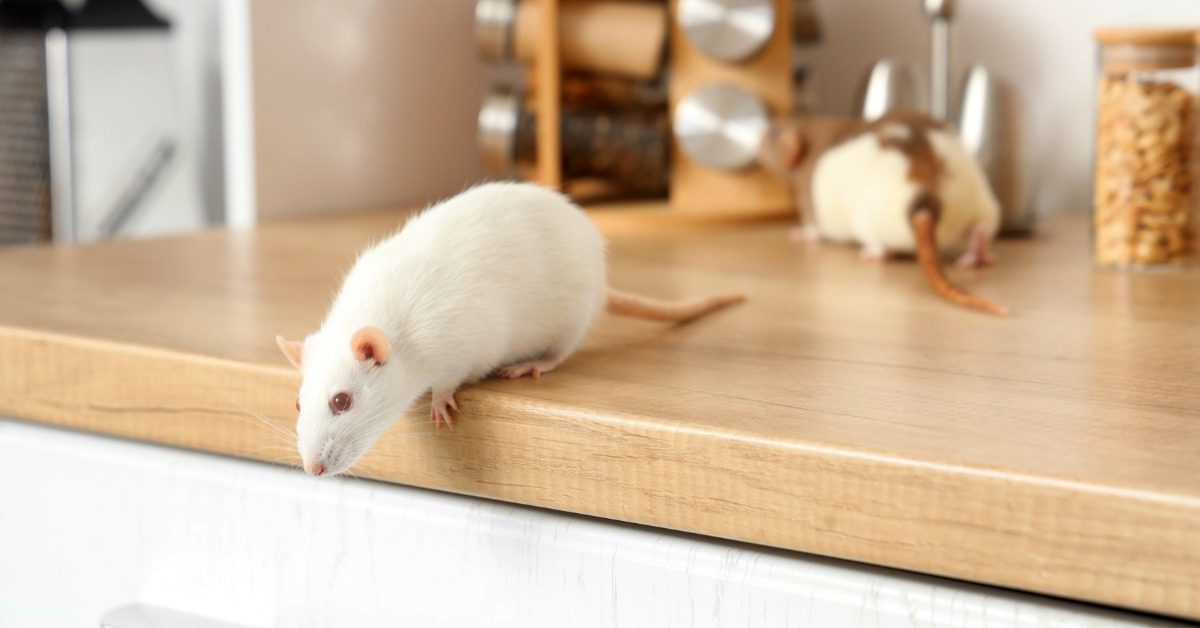
Rodents have teeth that continue growing, so they gnaw regularly to keep them manageable. Unfortunately, wiring can become one of their targets.
Chewed electrical wiring can create expensive repair needs and potentially increase fire risks. Damage can remain hidden behind walls or underneath attic insulation, which means homeowners may not immediately notice the problem.
Other wildlife can also disturb wires while moving through tight spaces. Removing animals promptly reduces the amount of time they have to interact with electrical components throughout the home.
Contamination Can Spread Beyond One Area
Wildlife does more than physically damage building materials. Animals can leave urine, feces, nesting debris, and other contaminants behind.
The problem can become more extensive as animals continue moving through an attic, crawl space, or other secluded area. Over time, homeowners may face a much larger cleanup than they would have needed after addressing the initial intrusion.
Common areas that may require attention include:
- Insulation and attic flooring
- Nesting locations and nearby materials
- Surfaces along animal travel routes
- Areas containing accumulated droppings or urine
- Spaces affected by lingering odors
Professional cleanup and decontamination can become an important part of restoring affected areas after wildlife removal.
Entry Points Can Become Larger
Wildlife does not always use an opening exactly as it finds it. Animals may enlarge weak areas to make entering and leaving easier.
A small roof gap, damaged vent, or vulnerable section around the exterior can gradually become a more significant opening. Larger entry points may allow moisture into the structure as well.
They can also make the home accessible to additional pests. This creates a cycle where one wildlife problem contributes to another. Addressing both the animal and its access point can help break that cycle.
One Animal Can Turn Into Several
Seeing or hearing one animal does not always mean only one animal occupies the structure. Wildlife may use homes as protected places to raise young, particularly when attics and other sheltered spaces provide suitable nesting conditions.
Waiting becomes especially costly when the population grows. More animals mean more movement, waste, noise, and opportunities for property damage.
Removal can also become more complicated when young animals occupy a nesting area. Professionals need to evaluate the situation carefully and determine an appropriate removal strategy rather than simply blocking an opening.
Odors Can Become Harder To Eliminate
Homeowners sometimes notice a wildlife problem because of an unusual smell rather than a visible animal. Waste, nesting material, and animal activity can produce odors that grow stronger with time.
Simply removing the animal may not solve an established odor problem. Contaminated materials can continue producing unpleasant smells until someone properly addresses the affected areas.
Delaying action gives waste more time to accumulate and odors more time to spread. In some situations, homeowners may need more extensive attic decontamination or material replacement as a result.
Secondary Pest Problems May Develop
Wild animals can introduce additional unwanted pests into a home. Their nests and contaminated areas may also create conditions that support insect activity.
This means homeowners can end up dealing with more than the original wildlife intrusion. Even after removing the animal, secondary pests may remain behind if no one addresses the affected area.
Prompt wildlife control helps homeowners limit these conditions. A thorough inspection can identify the original intrusion while also revealing signs that another pest problem has developed alongside it.
Energy Costs May Increase
Wildlife damage can affect more than repair bills. Animals that disturb attic insulation can reduce its ability to help regulate indoor temperatures.
Damaged vents, rooflines, and exterior openings can also create unwanted air movement. Heating and cooling equipment may need to work harder when the building envelope no longer performs as intended.
A homeowner may not immediately connect higher energy costs with wildlife activity. That makes energy loss one of the less obvious expenses associated with delaying removal.
DIY Repairs Can Create Additional Costs
Homeowners sometimes try to solve wildlife problems by sealing the first opening they find. However, closing an entry point before confirming that all animals have left can create a new set of problems.
An animal trapped inside may search aggressively for another exit. It could damage additional materials in the process. A mother may also have young inside the structure, which makes proper timing especially important.
Professional wildlife removal looks at the entire situation. Specialists can identify entry points, determine what type of animal caused the problem, and develop an appropriate removal and exclusion plan.
Delays Can Make Repairs More Complicated
Wildlife damage rarely improves on its own. A damaged vent stays vulnerable. Contaminated insulation remains contaminated. A gnawed opening may continue providing access.
As individual problems accumulate, repairs can become more complicated and expensive. Homeowners who need wildlife or rodent control in Fort Worth can often reduce the extent of those repairs by responding as soon as they notice warning signs.
Prompt action does not guarantee that a home has suffered no damage. It does, however, stop animals from receiving additional time to make the situation worse.
Wildlife Can Keep Returning Without Exclusion
Removing an animal solves only part of the problem if the home still offers easy access. Another animal may eventually discover the same opening.
Effective wildlife control should include attention to exclusion. Professionals can inspect the exterior, identify vulnerable areas, and use appropriate materials to help prevent animals from returning.
This step can protect the homeowner’s investment in removal and repairs. Without exclusion, repeated wildlife problems can create recurring expenses that quickly exceed the cost of addressing the original vulnerability correctly.
Early Wildlife Removal Can Protect Your Home
Wildlife problems can become significantly more expensive when homeowners give animals time to remain inside a structure. Damage to insulation, wiring, vents, roofing materials, and other areas can accumulate while contamination spreads.
The best response starts with identifying the animal and understanding how it gained access. Removal should then go hand in hand with repairs, exclusion, and appropriate cleanup when necessary.
If you hear unexplained noises, notice droppings, find damaged exterior materials, or see other signs of wildlife activity, avoid assuming the problem will disappear on its own. Addressing the intrusion early can limit damage, simplify cleanup, and help protect your home from another unwanted visitor.
