
Why Older Homes Face Higher Risks of Wildlife Intrusions
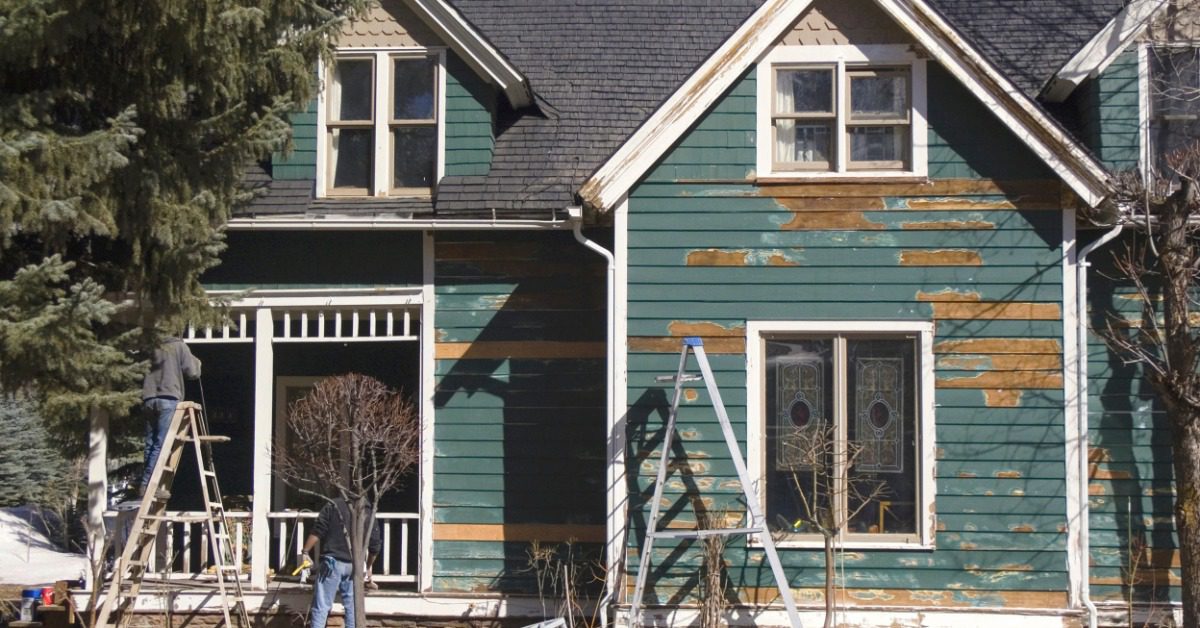
Many homeowners appreciate the character and craftsmanship that older homes bring to a neighborhood. Although these properties offer charm that newer construction cannot replicate, they also present unique maintenance challenges that require year-round attention.
Various pests constantly search for shelter, food, and nesting sites, and aging structures can offer them attractive options. Read on to learn why older homes face higher risks of wildlife intrusions.
Aging Building Materials Create Easy Access Points
Building materials naturally wear down over time due to weather and daily use. Wood can crack and mortar can deteriorate. These changes create small openings that wildlife can use to gain access to a home’s interior.
For instance, rodents, squirrels, and raccoons can squeeze through surprisingly small gaps when searching for shelter. Animals constantly investigate structures for vulnerabilities that allow them to enter.
Older homes may contain numerous aging components throughout the exterior, making it difficult for homeowners to identify every potential access point. Without regular inspections and maintenance, these openings can enlarge over time. Wildlife takes advantage of these conditions and may establish nests before homeowners realize there is a problem.
Roof Damage Becomes More Common Over Time
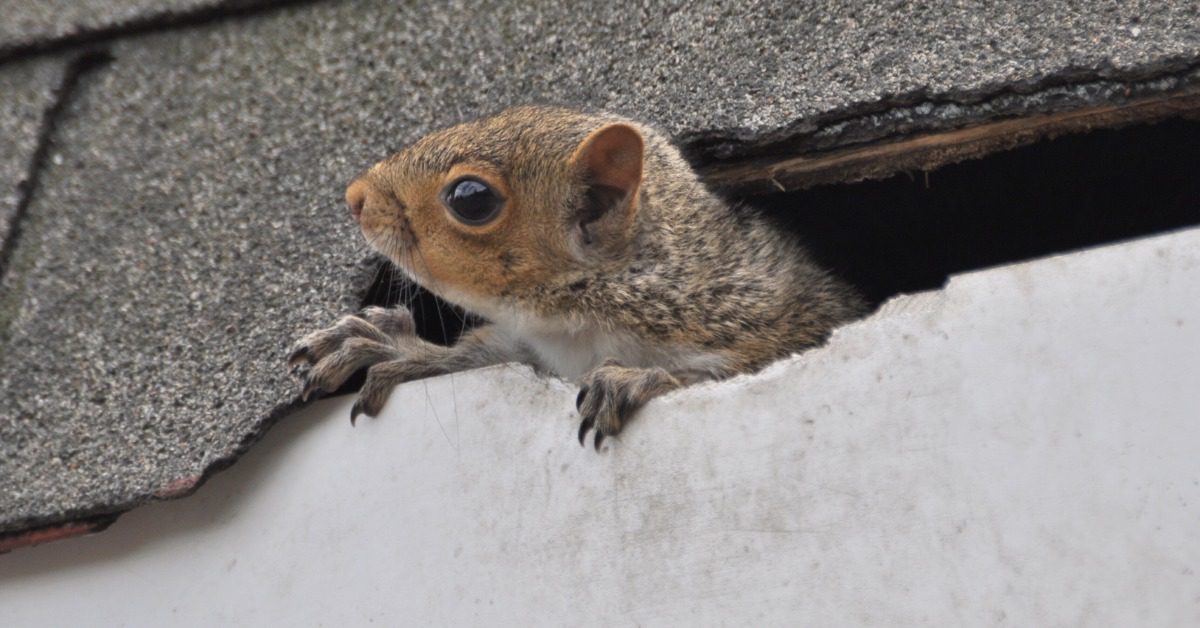
A roof serves as one of the most important barriers between a home and the outside environment. As roofing materials age, they can develop gaps, loose shingles, damaged flashing, and weakened areas around vents or chimneys. These vulnerabilities provide opportunities for wildlife to enter attic spaces.
Many animals seek elevated locations because they offer safety and protection. Attics also provide warm, dry environments that support nesting and breeding. Once wildlife gains access through roof damage, removal becomes much more complicated.
Older homes may have experienced decades of weather-related wear that affects roofing performance and gradually weakens protective materials. Wildlife can identify these vulnerable areas and use them as entry routes into the home.
Settling Foundations Leave Gaps Around the Structure
Homes naturally settle over time as the soil beneath the structure shifts. This movement can create cracks in foundations, gaps around utility penetrations, and separations between building materials. Wildlife frequently uses these openings to access crawl spaces and basements.
Rodents particularly benefit from foundation-related openings because they tend to travel close to structures while searching for food and shelter. Once inside, they can travel through walls and reach other areas of the property.
Older homes have experienced more years of settling than newer structures. The cumulative effect of this movement can produce multiple entry points around the home’s perimeter. Homeowners who overlook these vulnerabilities may unknowingly provide wildlife with easy access to interior spaces.
Outdated Construction Methods Leave Vulnerabilities
Another reason older homes face higher risks of wildlife intrusions is that outdated construction methods make them more vulnerable. Building standards and construction practices have changed substantially over the decades. Many older homes contain design features that no longer meet modern expectations for wildlife exclusion. These construction methods can leave gaps that animals exploit when searching for shelter.
For instance, older vent covers and exterior penetrations may not provide the same level of protection found in newer homes. Wildlife can more easily damage aging materials and enlarge existing openings. Once animals gain access, they can cause additional damage as they move throughout the structure.
Modern construction techniques place greater emphasis on sealing potential entry points and improving structural protection. Older homes may lack many of these improvements unless previous owners completed renovations. This difference can increase the likelihood of wildlife intrusions.
Mature Landscaping Creates Direct Pathways
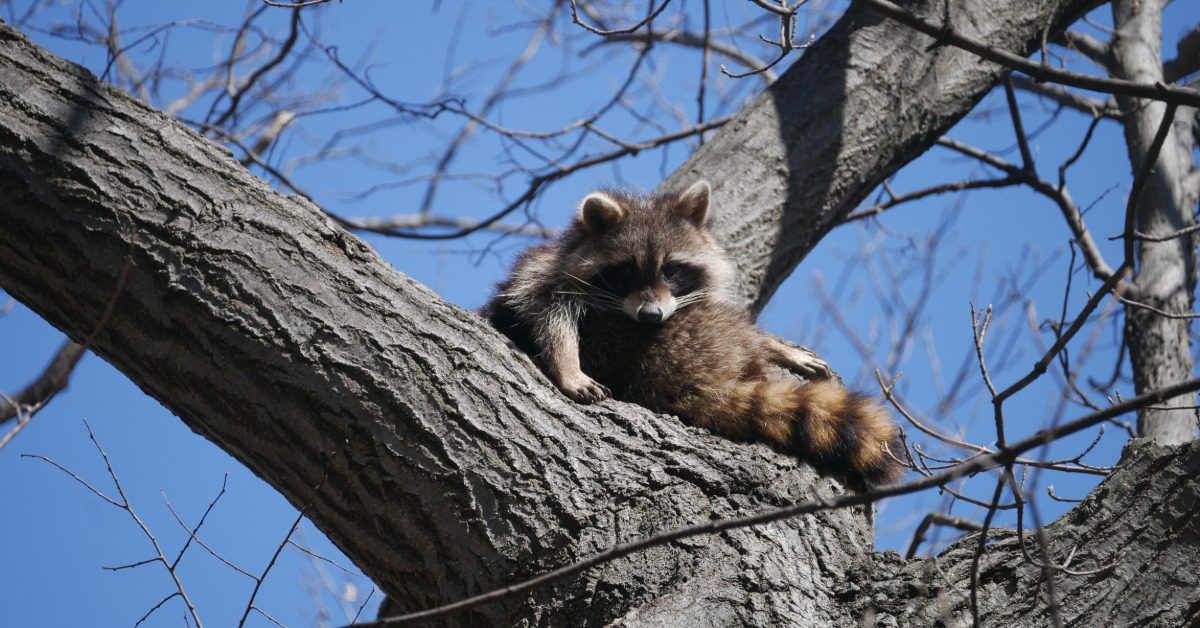
Older homes frequently feature mature trees and landscaping that have grown for many years. While these features improve curb appeal and provide shade, they can also create convenient pathways for wildlife. Branches that extend over roofs allow animals to reach areas that would otherwise remain inaccessible.
Squirrels and raccoons use tree limbs as natural highways when traveling between feeding and nesting locations. Overhanging branches give them direct access to roofs, chimneys, and attic vents. Once animals reach these elevated areas, they can search for weaknesses in the home’s exterior.
Dense vegetation around older homes can also conceal wildlife activity from homeowners. Animals can move through shrubs and landscaping without attracting attention. These conditions make it easier for wildlife to establish a presence near the home before anyone notices warning signs.
Aging Ventilation Systems Become Entry Opportunities
Homes require ventilation systems to regulate airflow and moisture levels throughout the structure. Many older homes contain vents that have endured years of weather exposure and physical wear. Damaged screens and deteriorated materials can create openings for wildlife.
Attic vents and crawl space vents attract animals because they connect directly to protected interior spaces. Wildlife can chew through weakened materials or exploit existing damage to gain entry. Once inside, animals may build nests that further obstruct ventilation, creating additional concerns.
Older ventilation components may not provide the same level of durability as modern alternatives. Homeowners who neglect routine inspections may not notice developing problems until wildlife has already entered the home. Preventive maintenance helps reduce these risks and preserves the effectiveness of ventilation systems.
Previous Repairs May Leave Hidden Weaknesses
Many older homes have undergone multiple repairs and renovations throughout their lifespan. Although these projects can improve functionality and appearance, they may also create inconsistencies in the building envelope. Wildlife can take advantage of gaps that develop where different materials meet.
Not every repair receives the same level of workmanship or attention to detail. Small openings around additions and replacement materials can remain unnoticed for years. Wildlife constantly searches for these weaknesses while exploring residential properties.
As homes age, the number of repair locations tends to increase. Each repaired area represents another location that homeowners should monitor for deterioration or gaps.
Deferred Maintenance Increases Wildlife Attraction
Although maintenance demands increase as homes grow older, some property owners may postpone repairs due to cost or time constraints. However, these small issues can gradually develop into larger problems if you do not address them promptly. Wildlife benefits from these conditions because they create more opportunities for access.
For example, damaged siding and deteriorating fascia boards can increase the risk of wildlife intrusions. Homes with visible maintenance issues may attract more attention from wildlife seeking nesting sites.
Addressing maintenance concerns promptly helps reduce the likelihood of wildlife problems. Homeowners who invest in routine upkeep can identify vulnerabilities before animals establish themselves inside the structure. Consistent attention to the home’s exterior plays an important role in preventing intrusions.
Legacy Rodent Control Helps Clients Keep Wildlife Away
Living in an older home means caring for the details that give it character while staying alert to the problems that age can create. Regular inspections and timely repairs can help you protect your home before unwanted activity spreads into attics, walls, or crawl spaces.
You can also protect it with the help of a rodent removal company like Legacy Rodent Control. If you already hear scratching or suspect an entry point, contact us today so we can help update your structure’s level of protection.
