
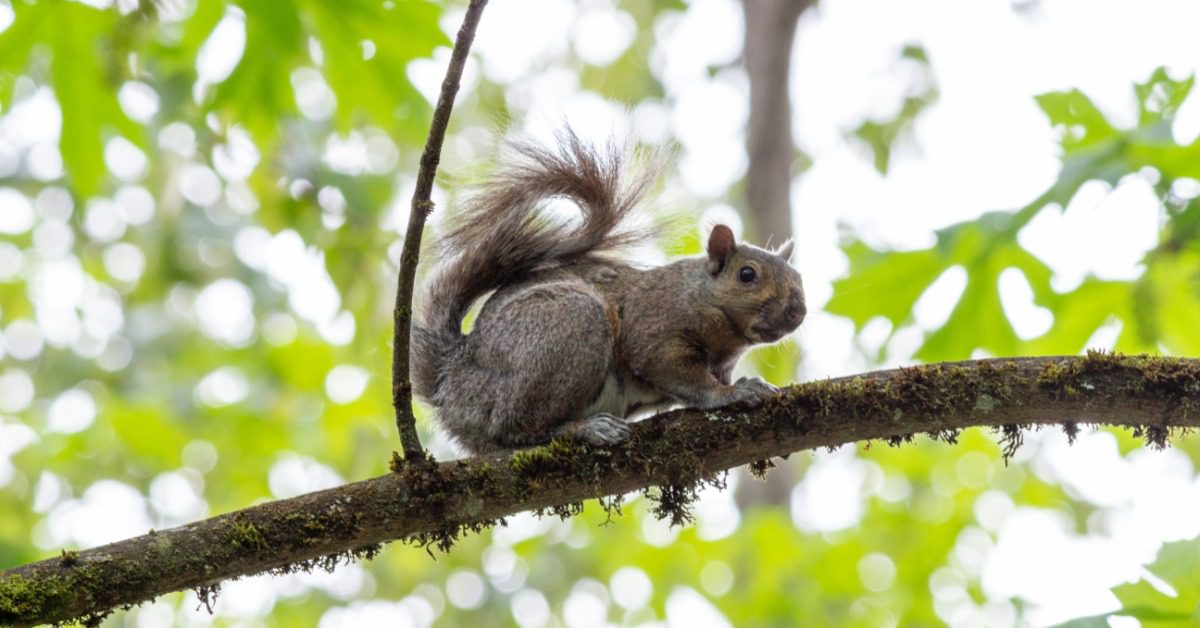
Why Tree Trimming Protects Your Home From Squirrel Invasions
Trees add shade and curb appeal to your yard, but they can also create concerns if you allow their branches to grow too long. Although you may immediately think about how long branches can scratch your roof, you may not be aware of another type of threat that they can invite: squirrels. These pests can reduce your property’s value and make you and your family feel less safe. Read on to learn why tree trimming protects your home from squirrel invasions.
How Squirrels Use Your Tree Branches
Squirrels move through trees with speed and balance, so they treat branches near your house like natural walkways. A limb that reaches your roof gives them a direct route to your home without forcing them to cross open ground. Branches that rub against your roof can also loosen shingles, scrape protective surfaces, and expose areas that invite more animal activity.
Trees also help squirrels avoid many of the barriers homeowners expect to work. A fence or gate may slow ground pests, but branches can bypass those defenses completely. When a canopy reaches the house, squirrels can launch from limb to roof, roof to gutter, and gutter to attic area with very little effort.
Tree trimming reduces that convenience by creating distance between your home and the routes squirrels prefer. When limbs no longer touch or hang near the roofline, squirrels must work harder to reach vulnerable parts of the structure. That extra distance matters because animals tend to favor paths that feel familiar and low risk.
What Can Happen if Squirrels Reach Your Roof
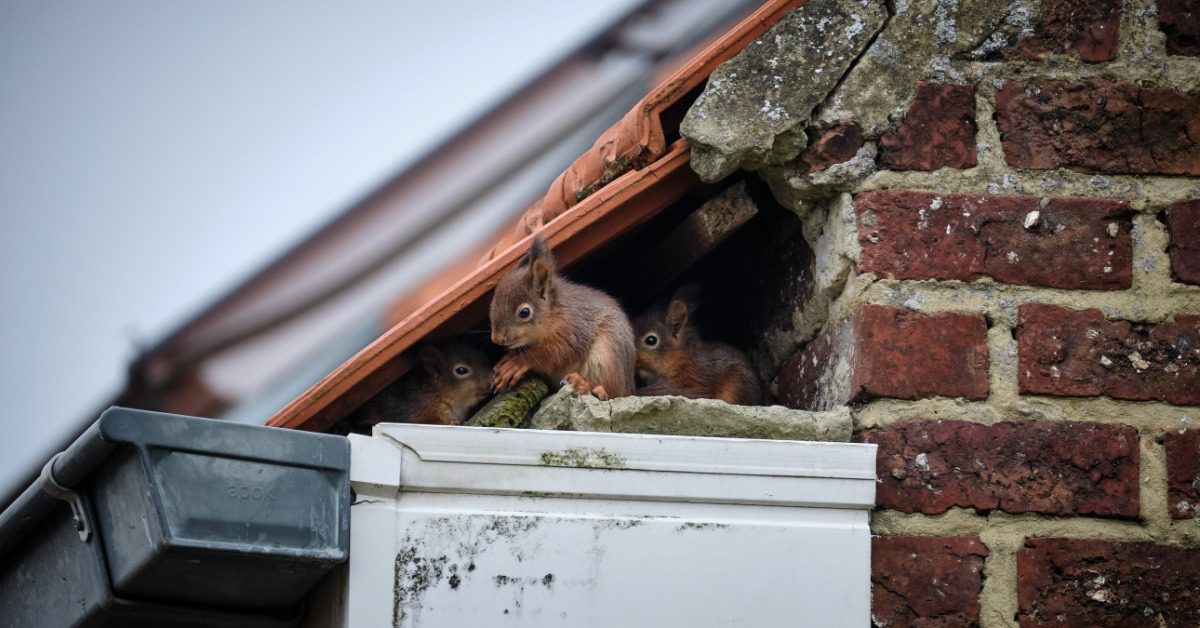
Now that you know why tree trimming protects your home from squirrel invasions, it’s easy to wonder about what can happen if they do reach your roof. By gaining access through the trees, they can cause damage and contamination in areas that homeowners rarely inspect.
Chewed Fascia, Soffits, and Roof Edges
Squirrels have strong teeth that keep growing, so they chew hard surfaces to wear them down and create access. When branches place them near fascia boards, soffits, and roof edges, they can gnaw at trim and small gaps until the area opens enough for entry. A tiny worn corner can turn into a path that leads toward your attic, especially when the animal keeps returning to the same place.
This damage can spread because the first weak spot attracts more attention. Once squirrels find a place that gives slightly, they may chew nearby areas or widen the opening during repeated visits. Homeowners may only notice scratches or loose trim from the outside, while the real problem grows behind the roofline.
Damaged Shingles and Roof Materials
As we mentioned earlier, branches that hang over your roof can scrape shingles, but that wear can create easier footing for squirrels. Squirrels can also dig at curled shingles or loosened edges as they move around the roof. When roof materials shift or break down, moisture can reach areas that should stay protected.
That type of roof stress can also create repair concerns beyond wildlife activity. Water can move under damaged shingles and contribute to rot or interior ceiling problems.
Gutter Problems
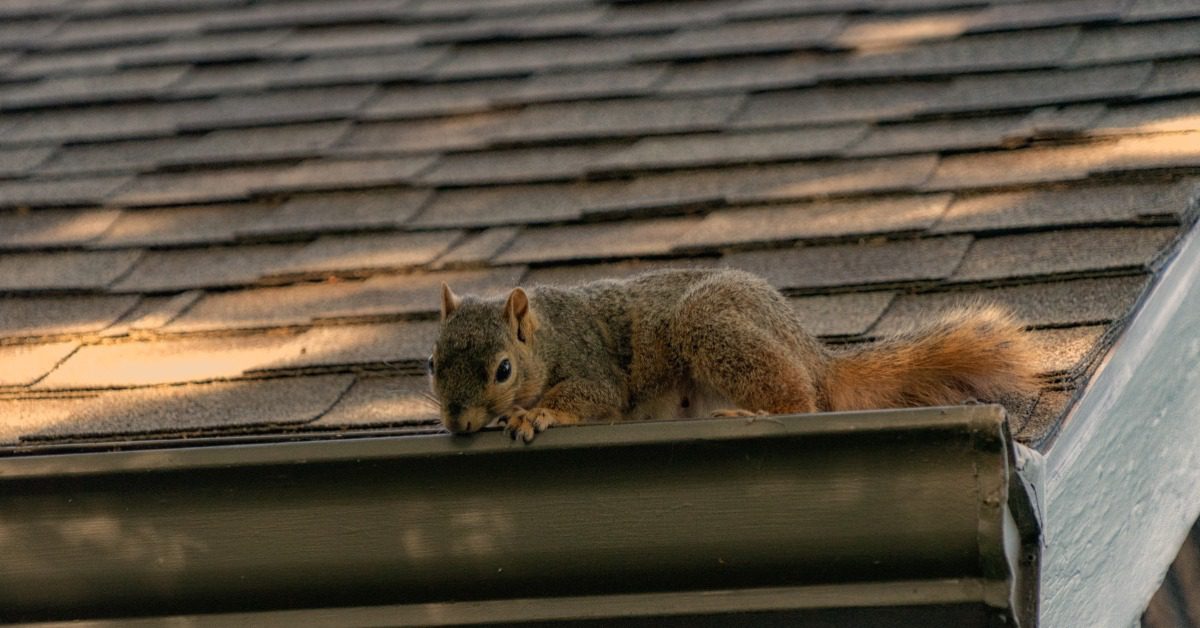
Squirrels use gutters as travel lanes when tree branches bring them close to the roof. As they run through gutter systems, they can disturb debris and help clog sections with leaves and other debris.
Clogged gutters can cause water to overflow instead of run away from the home, which can damage siding and the foundation. Additionally, when squirrels add nesting material or chew debris into smaller pieces, the gutter system can clog more quickly and create higher water pressure along the roofline.
Attic Nesting and Noise
When squirrels find an opening near the roof, the attic can become a warm and sheltered nesting area. Homeowners may hear scratching, running, or chewing sounds from above, especially in the morning or around times when squirrels move between feeding and nesting spots. Those noises may seem minor at first, but they can indicate activity inside areas that need quick attention.
An attic gives squirrels protection from outdoor threats. Once they settle in, they may bring in nesting materials and create trails across stored items or structural surfaces. Branches that keep giving them easy access can make the home feel like part of their normal territory.
Insulation Damage and Contamination
Once squirrels are in your attic, they can tear, flatten, and shift attic insulation while building nests or moving through tight spaces. Damaged insulation cannot perform as well. That can make parts of the home feel less comfortable during hot summers or cold spells. When insulation loses thickness or coverage, your heating and cooling system may have to work harder to maintain consistent indoor temperatures.
Contamination creates another concern because squirrels leave droppings, urine, fur, and nesting debris behind. These materials can cause odors and reduce the cleanliness of attic spaces, especially when activity continues for extended periods. Since many homeowners rarely enter the attic, the mess can grow before anyone sees the full extent of the issue.
Chewed Wiring and Fire Hazards
Squirrels chew many materials once they enter a home, including electrical wiring. Gnawed wire coverings can expose conductors, interrupt circuits, or create conditions that raise fire concerns. This risk makes attic activity more serious than simple noise above the ceiling.
Branches near the roofline increase the chances that squirrels reach areas where wiring runs through walls, attic spaces, or utility openings. Once inside, they may chew as they travel or nest, even if food does not draw them to that specific material. Homeowners should never ignore signs of squirrel entry, because hidden wiring damage can create expensive and unsafe conditions.
Vent, Screen, and Opening Damage
Squirrels can target vents, screens, and small exterior openings when nearby trees provide an easy perch. Roof and attic vents and gable areas can attract animals because they may already have gaps or materials that give under pressure. A squirrel can pull or chew at those spots until the opening grows large enough to enter.
Damaged vents and screens can also let in moisture and additional wildlife concerns. Once one barrier fails, the home loses part of its defense against outdoor conditions and unwanted animals. Keeping branches trimmed away from these areas reduces the easy access that lets squirrels test those openings.
Legacy Rodent Control Can Remove Squirrels Inside Your Home
Now you know how tree trimming plays an important role in protecting your home’s structure and your level of comfort. By staying consistent with trimming, you can reduce exterior stress around vulnerable areas and make your property less inviting to unwanted wildlife.
If squirrels have already reached your attic or damaged your roof, contact Legacy Rodent Control today. Our squirrel exterminators can help you remove unwanted animals and protect your home from future damage.
