
14 Signs Squirrels Have Moved Into Your Attic
Squirrels might look harmless when they run across your yard, but they can cause serious problems when they move into your attic. These active rodents often seek shelter inside homes when they need protection from predators or harsh weather. Unfortunately, their presence can lead to property damage and expensive repairs. Many homeowners don’t realize they have squirrels until the animals establish a nesting area. Recognizing the early warning signs can help you address a squirrel infestation before it gets worse. Understanding what to look for makes it easier to protect your home and determine when professional wildlife control becomes necessary.
1. You Hear Scratching Noises During the Day
One of the most common signs of squirrels in your attic involves unusual scratching sounds. Squirrels frequently move around during daylight hours, especially in the early morning and late afternoon.
You might hear scratching above your ceiling as squirrels explore the attic or gather nesting materials. These noises often become more noticeable when your home stays quiet.
Unlike some other household pests, squirrels generally remain active during the day. If you consistently hear movement overhead during daylight hours, squirrels could explain the disturbance.
2. You Notice Running or Scurrying Sounds
Squirrels move quickly, and their movements can create surprisingly loud noises inside an attic. You might hear rapid footsteps traveling across ceiling joists or sudden bursts of activity.
These sounds often resemble small animals running back and forth above your living space.
Squirrels may follow the same paths repeatedly while traveling between their nests and outdoor food sources. As a result, homeowners sometimes notice movement in specific sections of their ceilings.
Frequent running noises deserve attention, particularly when they occur alongside other signs of wildlife activity.
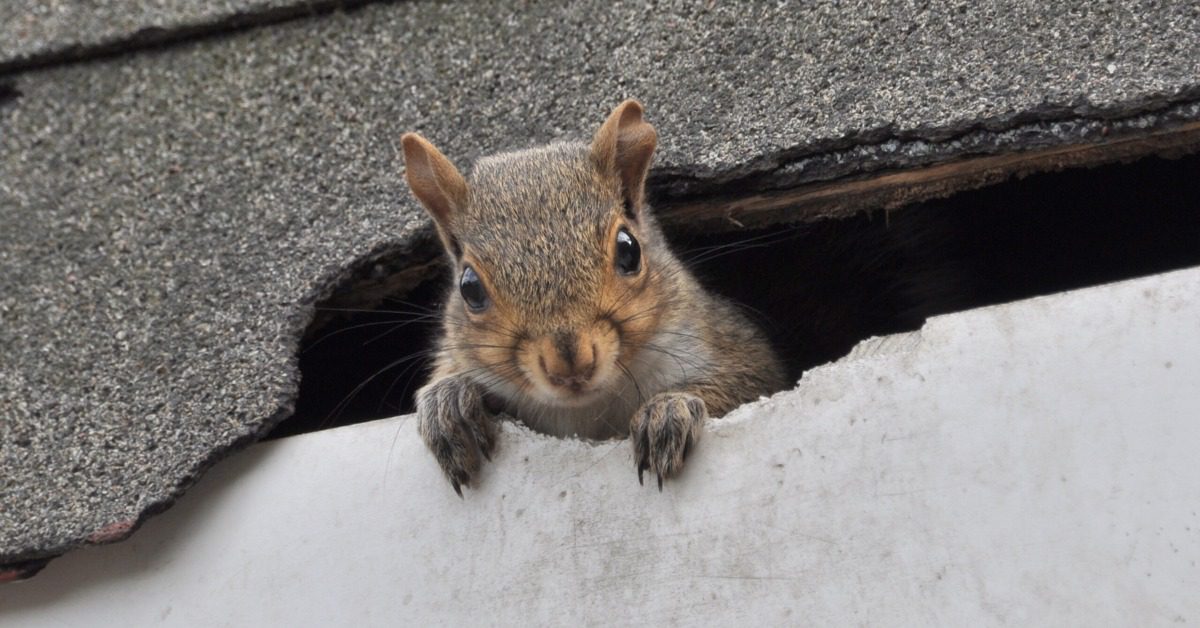
3. You Find Small Openings Along Your Roof
Squirrels need an entrance to access your attic. They often take advantage of existing openings around rooflines or enlarge vulnerable areas through persistent chewing.
Common entry locations include:
- Damaged soffits beneath roof overhangs
- Gaps where roofing materials meet
- Openings around roof vents
- Loose fascia boards near the roofline
- Damaged areas around attic ventilation systems
Even relatively small openings can provide access for determined squirrels.
Inspecting your roofline from the ground may reveal visible damage. However, avoid climbing onto your roof without proper safety equipment.
A professional inspection can identify openings that homeowners might otherwise overlook.
4. You Discover Chewed Wood Around the Attic
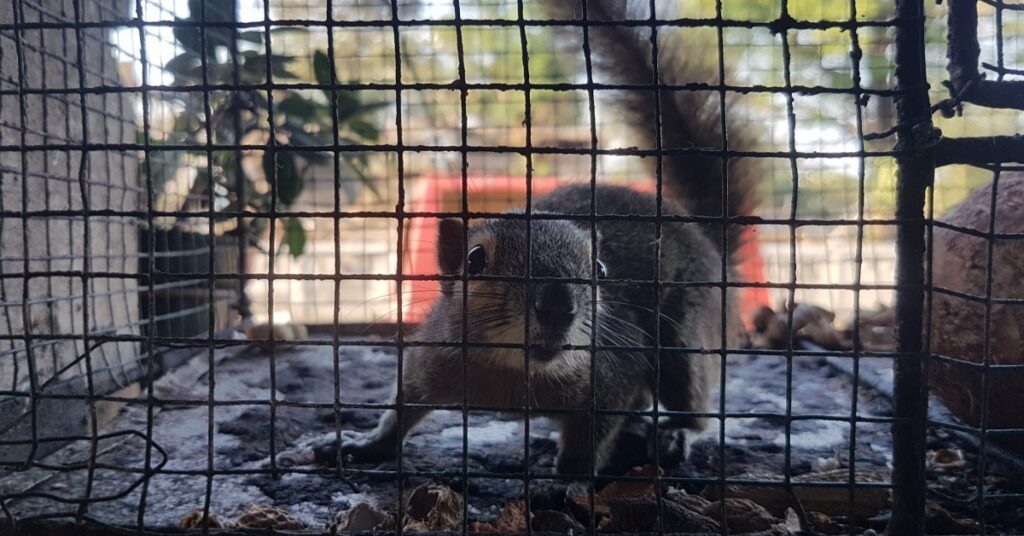
Squirrels have strong teeth that continue growing throughout their lives. They naturally chew materials to maintain their teeth, which can create significant problems inside residential structures.
Wooden beams and framing materials may show noticeable gnaw marks.
You might also discover damage around attic entrances where squirrels have widened openings to improve access.
Fresh chewing often leaves lighter-colored wood exposed beneath the surface. Small wood fragments near damaged areas can provide additional clues.
Repeated chewing can gradually weaken vulnerable materials and create larger openings for other pests.
5. Your Electrical Wiring Shows Damage
Electrical damage represents one of the most concerning consequences of squirrel activity. Squirrels sometimes chew through the protective insulation surrounding electrical wires.
Exposed wiring can increase the risk of electrical shorts and potentially contribute to house fires.
Homeowners should watch for unusual electrical problems, including flickering lights or circuits that repeatedly trip.
However, these symptoms can have several causes, so they don’t automatically confirm squirrel activity.
If you suspect damaged wiring, contact a qualified electrician. Never touch exposed wires or attempt electrical repairs without appropriate training.
6. You Find Droppings in Your Attic
Animal droppings often provide evidence of unwanted attic visitors. Squirrels leave small, elongated droppings that may resemble those of other rodents.
You might discover droppings near nesting locations or along frequently traveled routes.
The amount of waste can increase as squirrels spend more time inside your home.
Avoid touching droppings directly or sweeping them into the air. Animal waste can contain harmful microorganisms, and disturbing contaminated materials may create unnecessary exposure.
Professional wildlife specialists can identify likely sources and recommend appropriate cleaning procedures.
7. You Notice Unpleasant Attic Odors
An unusual smell coming from your attic may indicate squirrel activity. Urine and accumulated droppings can produce persistent odors, especially when several animals occupy the same space.
Warm temperatures may make these smells more noticeable.
Contaminated insulation can also retain odors long after the animals leave.
Occasionally, an animal may die inside an inaccessible attic space, creating a particularly strong smell.
Persistent odors deserve investigation because they can indicate contamination that requires professional attention.
8. You Discover Damaged Attic Insulation
Squirrels frequently disturb insulation while exploring potential nesting areas. They may pull apart fiberglass insulation or move loose materials to create comfortable spaces.
These activities can leave visible gaps across your attic floor.
Damaged insulation may reduce your home’s ability to maintain consistent indoor temperatures.
Consequently, your heating and cooling equipment might work harder to compensate for changes in insulation coverage.
Professional attic restoration can address contaminated materials and help restore proper insulation performance after wildlife removal.
9. You Spot Nesting Materials Near Roof Openings
Squirrels often build nests using materials they collect from their surroundings. Leaves and twigs can accumulate inside attics when squirrels establish shelter.
You might notice these materials near roof openings or tucked into corners. Squirrels may also incorporate insulation into their nests.
Nesting activity becomes particularly important during breeding seasons because female squirrels seek protected locations to raise their young.
Never attempt to remove an active nest without checking for dependent young. Separating young squirrels from their mother can create additional animal welfare problems.
10. You See Squirrels Entering Your Roof
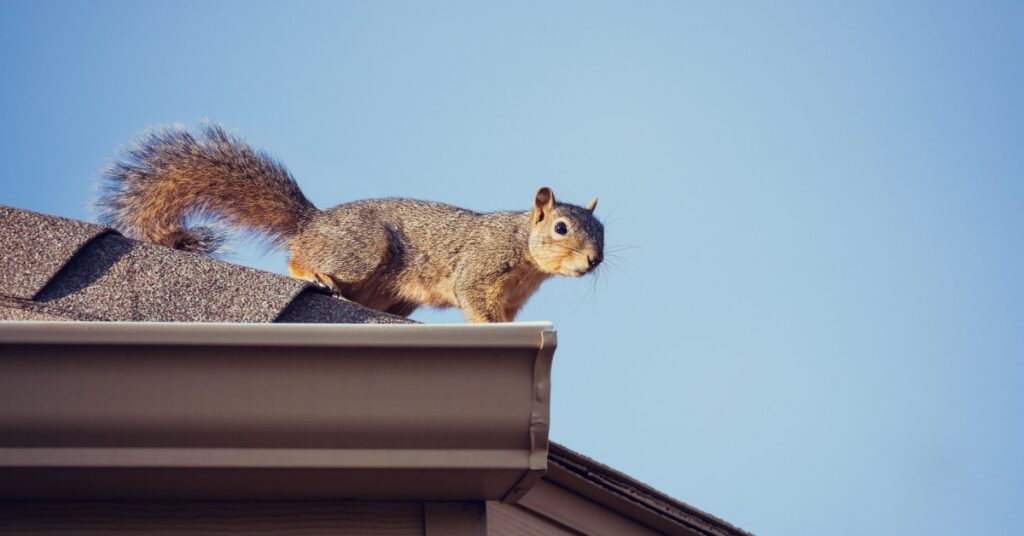
Sometimes, the clearest evidence appears outside your home. Squirrels may repeatedly approach the same section of your roof before disappearing into an opening.
Watch for activity near roof vents or damaged soffits.
Observing your home from a safe distance during daylight hours can help identify potential entry locations.
However, squirrels running across your roof don’t necessarily indicate an infestation.
Repeatedly entering the same opening provides stronger evidence that the animals have established access to your attic.
11. You Notice Increased Squirrel Activity Around Your Home
A sudden increase in squirrel activity around your property may accompany an attic infestation.
Trees with branches extending close to your roof can provide convenient access routes. Squirrels may also use fences or nearby structures to reach elevated areas.
Pay attention when squirrels regularly gather near one section of your home.
Although outdoor activity alone doesn’t confirm an infestation, combining these observations with attic noises or visible damage can strengthen your suspicions.
12. You Hear High-Pitched Chirping From Above
Adult squirrels sometimes produce vocalizations, but young squirrels can create particularly noticeable sounds.
If a female squirrel establishes a nest inside your attic, her young may produce high-pitched squeaking or chirping noises.
These sounds might come from a relatively small area rather than traveling throughout the attic.
Their presence can complicate removal because young squirrels depend on their mother for survival.
Wildlife professionals understand how to inspect nesting areas and develop removal strategies that account for dependent animals.
13. You Keep Finding New Damage After Repairs
Recurring damage can indicate that squirrels continue accessing your attic. You might repair a damaged soffit only to discover fresh chewing nearby several days later.
Squirrels often return to familiar shelter locations when they still have access.
Simply covering one visible opening may not solve the underlying problem.
A thorough inspection should identify every active entry point and determine whether animals remain inside.
Effective exclusion work prevents squirrels from returning without trapping them inside the structure.
14. You Need Professional Help Confirming an Infestation
Several attic pests can produce similar noises or damage. Professional inspections help homeowners identify the actual cause before choosing a removal strategy.
For homeowners considering squirrel removal in Fort Worth, working with an experienced wildlife control company can help address both the animals and the conditions that allowed them inside.
A comprehensive approach typically includes identifying entry points, removing squirrels through appropriate methods, and securing vulnerable openings.
Professionals can also evaluate insulation contamination and recommend necessary attic cleaning.
Avoid sealing entrances until you confirm that all squirrels have left. Otherwise, trapped animals may cause additional damage while attempting to escape.
Protect Your Attic Before the Damage Gets Worse
Squirrel infestations rarely improve without intervention. The longer squirrels occupy your attic, the more opportunities they have to damage insulation or contaminate interior spaces.
Recognizing warning signs of a squirrel infestation in your attic early can help you limit these problems and avoid unnecessary repairs.
Legacy Rodent Control helps Dallas–Fort Worth homeowners address unwanted wildlife through professional removal and exclusion services. The company also offers attic decontamination to address conditions that animals leave behind.
If you suspect squirrels have moved into your attic, scheduling a professional inspection can help you understand the problem and take appropriate steps toward protecting your home.
