
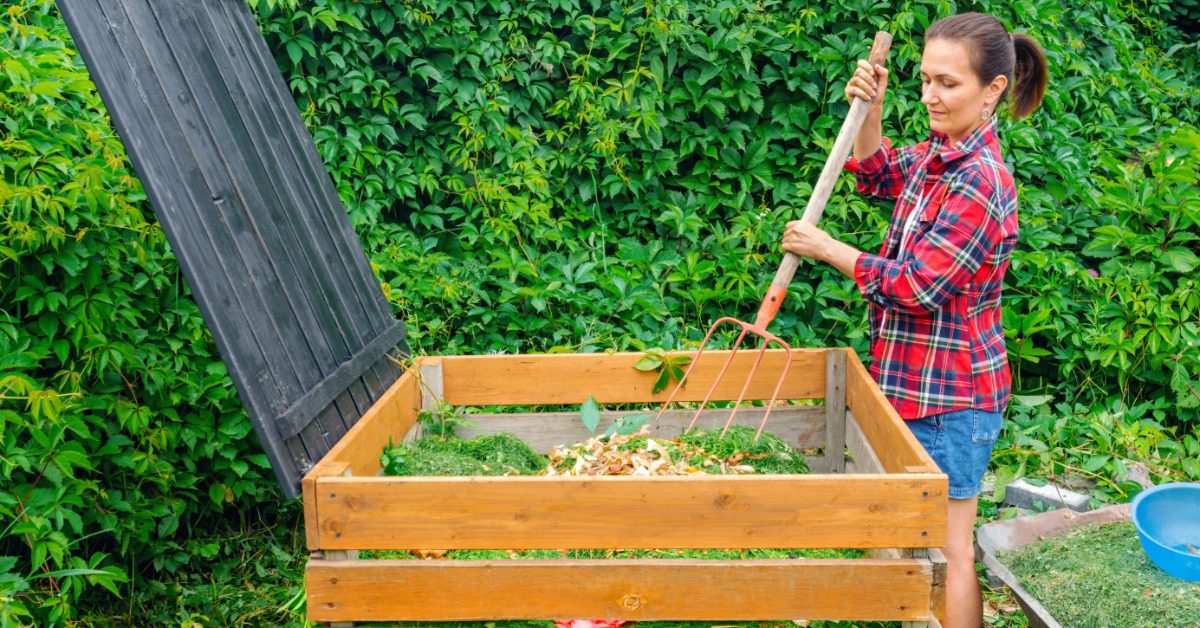
How To Keep Raccoons out of Compost Bins
Compost bins can turn kitchen scraps and yard waste into useful material for gardens, but they can also attract wildlife when food odors linger. Raccoons notice those odors quickly, especially when a bin contains fruit peels or vegetable scraps that smell appealing after dark.
Once a raccoon connects your yard with an easy meal, it may return night after night and create bigger problems. Homeowners can reduce those risks by learning how to keep raccoons out of compost bins.
Why You Should Keep Raccoons out of Your Compost
Raccoons may look curious and harmless from a distance, but they can create sanitation and safety concerns. These make it critical to exercise greater care when it comes to your compost bin.
Raccoons Can Scatter Compost Across the Yard
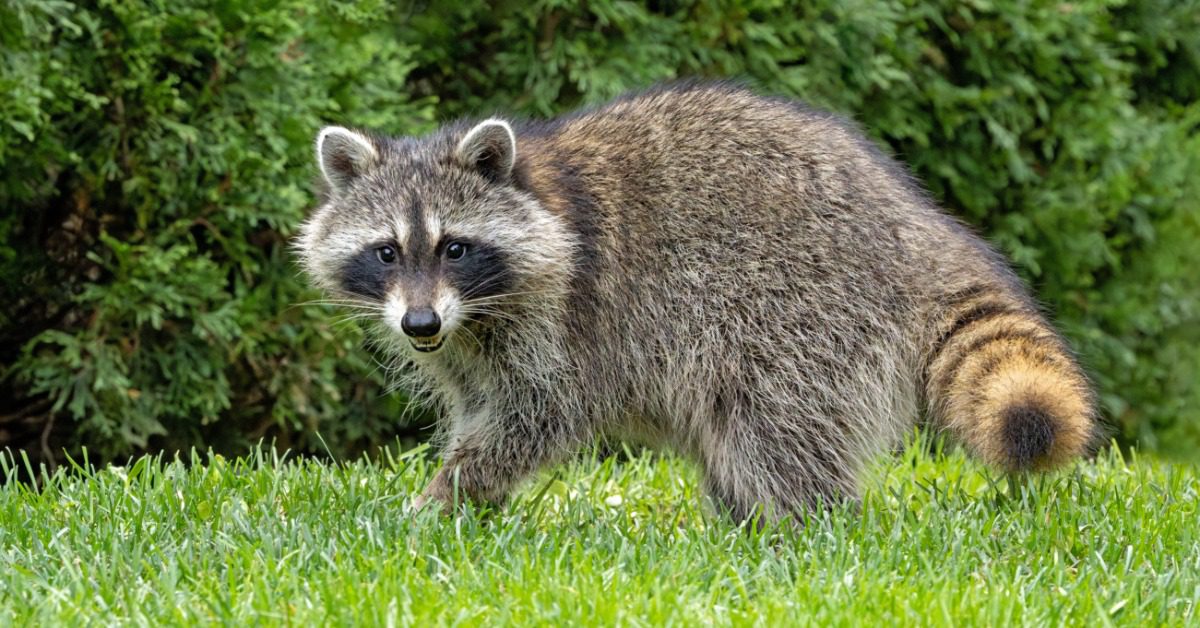
A raccoon does not politely lift a lid, take a snack, and leave the area tidy afterward. It may tip over the bin and drag food scraps across the lawn while searching for the most appealing pieces. That mess can turn a helpful compost setup into a regular cleanup job.
Scattered compost also defeats the purpose of keeping organic matter contained while it breaks down. When scraps spread across grass or garden beds, they can invite more animals to the same spot. The longer that pattern continues, the harder it becomes to make the area less attractive to wildlife.
They Can Damage Your Compost Bins and Nearby Property
Raccoons have strong paws and claws and enough persistence to test weak lids and flimsy containers. A lightweight bin may not hold up when a raccoon pushes against it or wedges its paws under the lid. Once the animal finds a weakness, it may repeat the same behavior until the bin no longer closes well.
Damage can also spread beyond the compost area when raccoons feel comfortable in your yard. They may climb fences or investigate sheds and crawl space openings. A small compost issue can become a wider property concern when raccoons decide your home offers food and shelter.
Raccoons Can Create Health Concerns
Raccoons can carry germs and parasites that homeowners prefer to avoid. When they climb into a compost bin, they may leave droppings, saliva, or urine behind in material that you planned to use around plants. That contamination can create concern for families, pets, and anyone who works near the compost pile.
Their waste also raises the risk of exposure during cleanup, especially when homeowners handle disturbed compost without realizing an animal visited overnight. Gloves, sealed bags, and careful disposal help, but prevention works better than repeated cleanup. Keeping raccoons away from the bin protects the composting process and reduces contact with unwanted wildlife messes.
Methods To Keep Them Out
Now let’s examine how to keep raccoons out of compost bins. By applying a few simple methods, you can make your yard much less rewarding for raccoons searching for food.
Choose a Strong Compost Bin With a Secure Lid
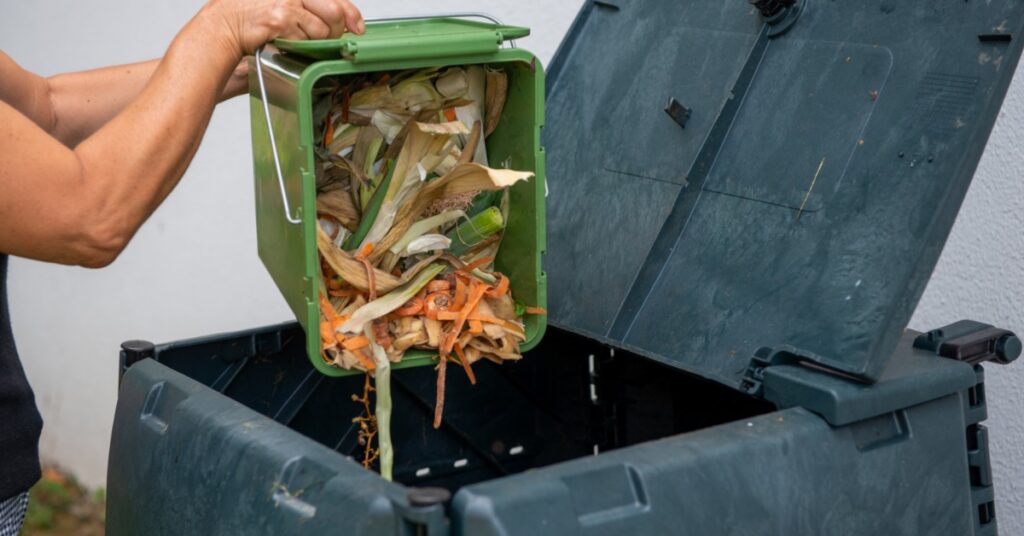
A sturdy bin gives you the first line of defense against raccoons. Choose a container with a tight-fitting lid, durable sides, and a latch that animals cannot lift with their paws. If the bin wobbles or opens with light pressure, a determined raccoon may figure it out quickly.
You can also add extra protection with bungee cords or a weight that keeps the lid closed. The goal involves removing the easy opening that turns your compost into a late-night buffet. When raccoons fail to get inside after several attempts, they have less reason to keep returning.
Use Ammonia as a Scent Deterrent
Ammonia can help discourage raccoons because the smell may remind them of predator urine. Soak a few rags in ammonia and place them near the compost bin, but keep them outside the bin so the chemical does not mix with your compost. You should also avoid placing ammonia where children, pets, or garden plants could come into direct contact with it.
This method works best as one part of a larger prevention plan rather than a complete solution. Rain, heat, and time can weaken the scent, so you may need to refresh the rags after the smell fades. Pairing ammonia with a locked lid and a secure location gives raccoons fewer reasons to return.
Install Motion Detector Lights
Motion detector lights can make raccoons feel less comfortable when they approach your compost area at night. A sudden burst of light interrupts their quiet search for food and may encourage them to move elsewhere. Place the light so it covers the path raccoons use to reach the bin without shining directly into a neighbor’s window.
Lights work especially well when you combine them with other deterrents that remove the reward. If a raccoon still finds food every time the light turns on, it may eventually ignore the interruption. When the bin stays secure and the area offers no easy scraps, motion detector lights can help make the space less inviting.
Position the Bin Far From Garbage Cans
Garbage cans can attract raccoons with stronger odors than the compost bin itself, so placing both items together can create one larger feeding area. Keep the compost bin several yards away from trash containers when your yard layout allows it. This separation can make it harder for raccoons to move from one food source to another during the same visit.
You should also clean the area around your garbage cans regularly so loose food residue does not guide raccoons toward the compost bin. Rinse spills, bag waste tightly, and move full trash bags to the curb as close to pick-up time as local rules allow. When trash odors stay farther from the compost area, raccoons have fewer reasons to search that part of your yard.
Hire Raccoon Removal Services
When raccoons keep returning despite your efforts, professionals can help address the problem safely. Trained technicians can inspect the property, identify what attracts raccoons, and look for access points. They can also recommend changes that reduce the chance of another visit after removal.
Professional help matters when raccoons act bold, nest nearby, or appear during daylight. Homeowners should not corner, grab, or trap raccoons because wildlife situations can become dangerous fast. A professional can handle removal with the right equipment and help you protect the compost bin after the immediate problem ends.
Legacy Rodent Control Is Ready To Help Protect Your Compost Bin
A compost bin should help your yard and garden, not invite a recurring wildlife problem to your property. When raccoons start treating the area like a food source, quick action can help you protect your outdoor space before the issue spreads.
If you need help removing persistent raccoons, turn to Legacy Rodent Control. We know how to handle the problem at its source. Contact us today to obtain raccoon removal services in Frisco that will help you keep these unwanted visitors away from your home.
